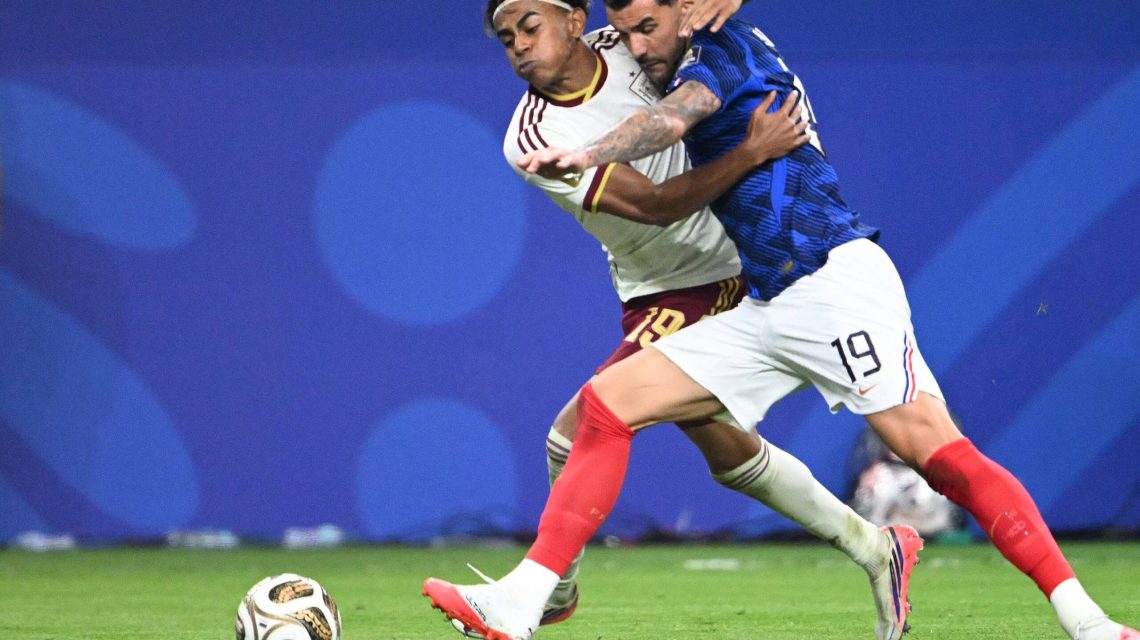
Kylian Mbappe, the standout player of the tournament, ended the match in frustration. Already cautioned for a reckless challenge on Spanish goalkeeper Unai Simon, he then skied a free-kick. In the pivotal World Cup semi-final, neither Real Madrid’s Mbappe, nor PSG’s Ousmane Dembele, the current Ballon d’Or holder, made an impact. Bayern Munich’s Michael Olise, instrumental in goals over the past season, also found it difficult. However, France’s attempts to leverage their talented bench, including PSG’s Desire Doue and Manchester City’s Rayan Cherki, proved futile as well.
After this semi-final disappointment, critiques will turn to French coach Didier Deschamps and his acclaimed players, expected by many to succeed. Cherki remarked to the press that France “lost against ourselves.”
Spain’s victory was no fluke. Their strategy was clear, maintaining possession and creating as many shots as France. This performance was one of the great World Cup displays. Observers noted France’s dominance in earlier stages, yet Spain possessed quiet confidence. Lamine Yamal, Spain’s young star, suggested France had more to fear. Celebrating his 19th birthday, Yamal expressed resilience, highlighting that football was small compared to life’s greater challenges.
Spain’s confidence was earned. Having secured the UEFA Nations League in 2023 and the Euros afterwards, they have now gone 37 international matches unbeaten. They have defeated major teams like Italy, England, Germany, and France three times. France’s Arlington appearance suggested overconfidence, mistakenly applying the same tactics without adjusting to Spain’s game plan. Yamal exploited France’s defense, especially Lucas Digne, earning a penalty and shifting the game’s momentum.
Before turning 20, Yamal will have played in major finals, including winning the Euros in 2024. Spain systematically won individual battles, frustrating key France players. Their tactical discipline stalled France’s offense. Midfield imbalance left France vulnerable, as shown by Adrien Rabiot’s challenges leading to his absence in the second half.
Spanish coach Luis de la Fuente recognized France’s tactical setup and strategically outmaneuvered them. Rodri, now fully recovered from injury, played a critical role, ensuring Spain’s midfield dominance. De la Fuente emphasized Rodri’s value, praising his ability to enhance the team’s strategic approach.
Spain’s lineup may lack global superstar recognition, but their unity and tactics shone through. While late-game goals against Portugal and Belgium had been seen as vulnerabilities, they now reflect resilience and determination. De la Fuente highlighted the strong team culture and harmony throughout the tournament, crediting the team’s success to shared objectives and discipline.
Spain delivered a cohesive performance, limiting France to few chances. Individual performances exceeded club form, exemplified by Pedro Porro’s standout play and exquisite second goal. Aymeric Laporte solidified defense, as did young Pau Cubarsi, already proving his capability against top talent. Dani Olmo’s creativity enabled Spain’s second goal through a skillful play.
This World Cup highlights that consistency and defense often triumph over sporadic attacking brilliance. As Spain marches forward, they continue a tradition of strong defense reminiscent of their 2010 and 2012 triumphs, with minimal goals conceded.
Veteran Spanish champions Iker Casillas, Carles Puyol, Sergio Ramos, and Xavi, in attendance, saw the legacy of past success celebrated by this generational team’s performance.
 Steve Lotysz: From Medinah’s Gates to Presidents Cup Artistry
 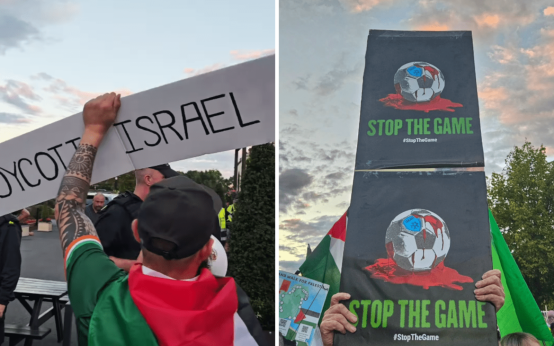 Calls Grow for Ireland’s Soccer Team to Boycott Matches Against Israel
  Is NHL Preseason Necessary?
  Impact of World Baseball Classic on Paul Skenes’ Performance
  Ronald Acuna Jr. Suffers Injury During Game Against Cincinnati Reds
  Joe Burrow’s Unexpected Post-Game Recovery