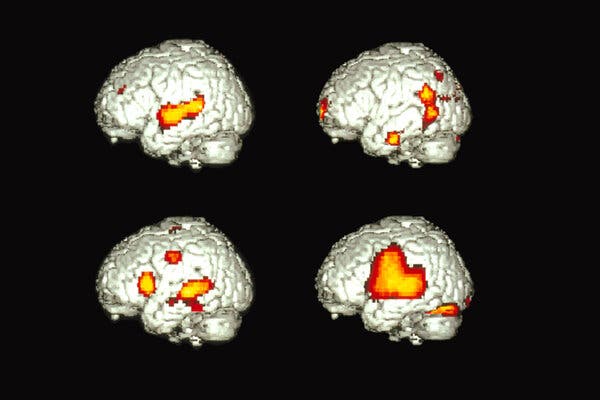
A recent study reveals that bilingual speakers may utilize a single “grammatical engine” in the brain to manage multiple languages simultaneously.
Research shows how lifelong language use ingrains its grammatical rules, aiding speakers in forming words even if they are unfamiliar with them. For example, speakers can often deduce the present participle of a new verb due to consistent grammatical structures within their primary language.
The study challenges existing theories suggesting bilingual speakers process languages using distinct brain activity patterns. It suggests striking similarities in brain activity when forming singular or plural words, regardless of the language bilingual individuals are using.
Esti Blanco-Elorrieta, a psychologist and neuroscientist at New York University, stated that this integrated processing is a significant discovery. She highlights how the study provides detailed insights into how bilingual brains use shared resources for language processing.
Historically, bilingualism was seen as a disruption to native language processing, according to Judith Kroll, a psycholinguist at the University of California, Irvine. Though she was not part of this study, Kroll notes that previous research indicates physical differences in bilingual brains, such as more efficient white matter and modifications to gray matter. These differences often result in improved memory and concentration capabilities.
This study was published in the journal JNeurosci, offering new perspectives on bilingual language processing.
 The Discovery of Incendiamoeba cascadensis: A Fire Amoeba
  Archaeological Discovery in Germany: Largest Hoard of Roman Coins Found
  Hurricane Formation and Strengthening
  Ancient Mastodon Tooth Unearthed in California Creek
  The Tiny World of the Pumpkin Toadlet
  Chimps and Self-Medication: Insights from Gombe Stream