
Taliban leaders and officials convened at Afghanistan’s Loya Jirga assembly hall to mark the fifth anniversary of their ascendance to power. They claimed an era of restored stability and concluded decades of conflict in Afghanistan. Meanwhile, a senior United Nations official expressed concern over significant human rights issues, pointing to the barring of girls over 12 from attending school.
The Taliban gained control on August 15, 2021, following the departure of U.S. and NATO troops after a costly 20-year conflict. This exit led to chaos at Kabul airport as many sought to escape the nation.
The Taliban quickly imposed constraints on education for girls beyond the sixth grade and later prohibited higher education for women. This was contrary to their pre-takeover assurances that women would have rights to education, employment, and public participation. Restrictions also prohibit women from participating in public spaces like gyms and parks, engaging in sports, and traveling without a male guardian.
Afghanistan’s ‘Liberation’
During the Loya Jirga, officials and some foreign guests commemorated what they describe as Afghanistan’s ‘liberation’ from American control. Hamdullah Fitrat, the Taliban government’s deputy spokesman, called for protection from various forms of unrest and the establishment of peace under a Sharia-based system.
Abdul Salam Hanafi, deputy prime minister, declared the end of external interventions and internal conflict under Taliban rule, citing improved security. He stated that previously, daily tragedies claimed the lives of 300 Afghan youth, leaving families grieving. Now, he asserts, the nation’s plight has improved.
No women attended the Loya Jirga ceremony. Foreign Minister Amir Khan Muttaqi advocated for international engagement with the Taliban, noting that nations engaging with them have benefited.
Celebrations Under Security
In Kabul, Afghans celebrated, holding Taliban flags and chanting in support of the government. Convoys moved through crowded streets, causing traffic disruptions. Security was stringent, with a strong Taliban presence and multiple checkpoints on main roads leading to the Loya Jirga.
Similar celebrations took place in other provinces, with displays of Taliban flags and posters along major roads and marketplaces.
Human Rights Concerns
UN special rapporteur Richard Bennett warned in a video about the severe human rights crisis in Afghanistan. He questioned the authenticity of peace, highlighting the decline in human rights, especially for women and girls. Bennett classified the current situation as gender persecution and cautioned against the international normalization of Taliban policies, as such actions could legitimize discrimination.
In a recent AP interview, Molvi Hayatullah Mahajar Farahi reported achievements in security, infrastructure, and job creation over the last five years, despite challenges. However, he did not discuss girls’ education, noting significant investment in universities.
UNESCO estimates that 2.4 million girls are barred from secondary education. The UN World Food Program indicated that child malnutrition is at critical levels in a third of Afghanistan’s provinces. UN Women stated that the current restrictions for women are the world’s harshest, jeopardizing Afghanistan’s future by undermining its social and economic fabric.
 Elisha Wiesel Reflects on Jewish Identity and Antisemitism in America
  Lawsuit Challenges Changes to U.S. Immigration Policies
 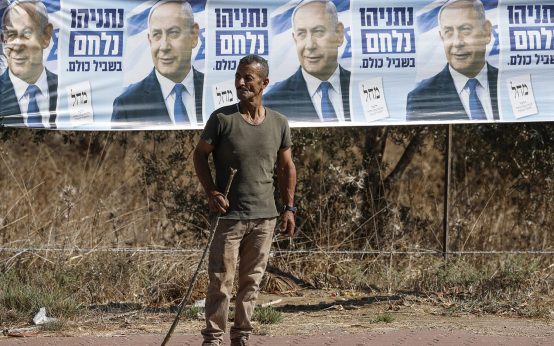 Israel Marks Anniversary of Hamas Attacks Amid Political Tensions and Ongoing Conflict
  Afghan Immigrants in the U.S. Face Uncertainty and Fear
 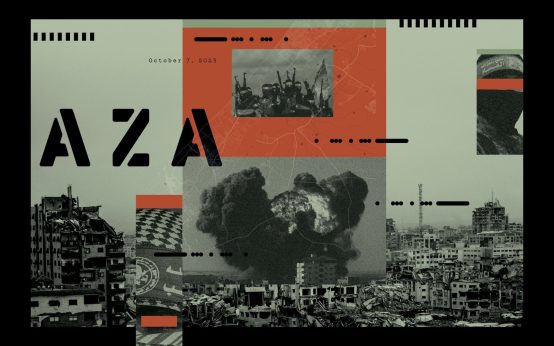 October 7: A Turning Point in Israel-Hamas Conflict
  U.S. Embassy Monitors Reports of Suspected Pneumonic Plague Death in Russia