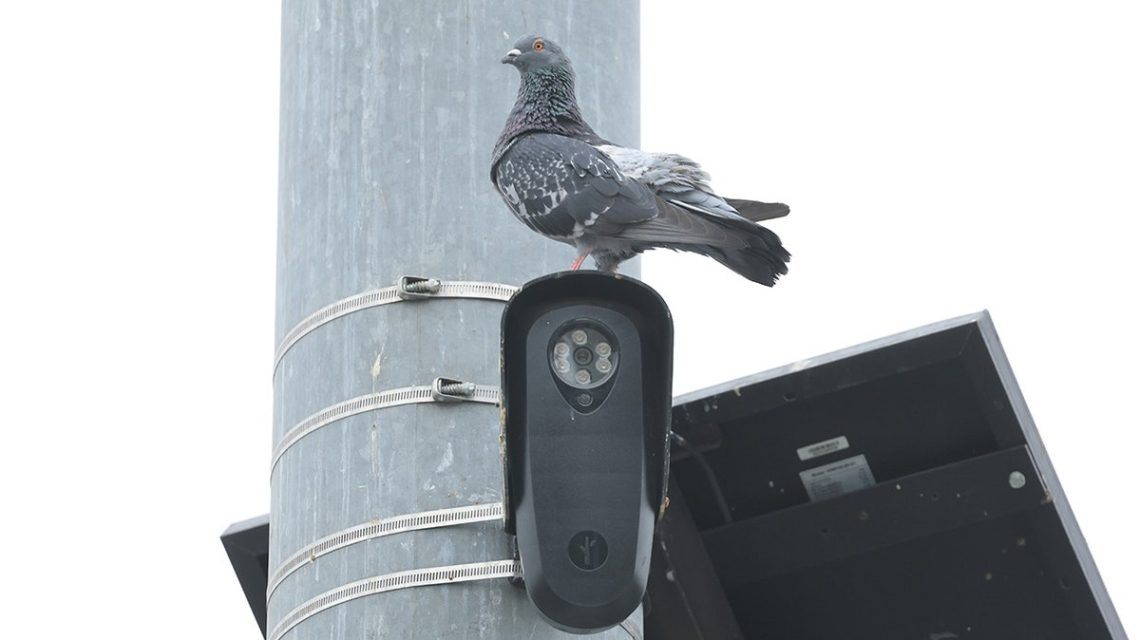
Automatic license plate readers (ALPRs) have become a new focus in the privacy debate, drawing attention from both political sides in the United States. This technology, encountered by millions daily, has raised concerns among lawmakers due to its potential impact on civil liberties as artificial intelligence (AI) continues to advance.
Privacy Concerns
ALPRs capture and analyze vehicle and location data without driver consent. Critics worry about their role in mass surveillance, arguing that they infringe upon Fourth Amendment rights. Some lawmakers and privacy advocates are calling for legal measures to regulate their use to protect individual privacy.
Technological Advancements
Advances in AI have enhanced ALPR capabilities, allowing for facial recognition and monitoring interior car activities. Rep. Keith Self, among others, has voiced concerns about these developments, suggesting they have outgrown their intended function.
Political and Public Backlash
ALPR technology has sparked debates in political circles, especially concerning companies like Flock Safety. Legislators are considering regulations to address surveillance and privacy concerns. Rep. Greg Steube has expressed his intention to possibly propose legislation at the federal level to set boundaries for ALPR use.
Opposition to pervasive surveillance has echoed in public arenas, including protests. Politicians such as Will Lawrence and Abdul El-Sayed have positioned themselves against unchecked surveillance, advocating for stricter controls.
Opportunities and Challenges
Despite concerns over privacy, there are reported instances where ALPRs have assisted in law enforcement tasks, such as locating missing children. Flock Safety has introduced new safety measures and insists its technology is designed to aid crime prevention while adhering to regulations.
Proponents argue that, with proper regulations, ALPRs can be an effective tool for enhancing public safety without infringing upon individual rights.
Balancing Security and Privacy
Lawmakers and advocates are recommending a thorough analysis of ALPR technology, weighing its advantages against potential misuse. Jim Pasco from the National Fraternal Order of Police emphasizes the need for careful policy evaluation, particularly amid the election cycle when decisions might not be thoroughly considered.
The ALPR debate continues as efforts to regulate these systems aim to strike a balance between public security and personal privacy.
 Controversy Erupts Over ICE Shooting in New York
 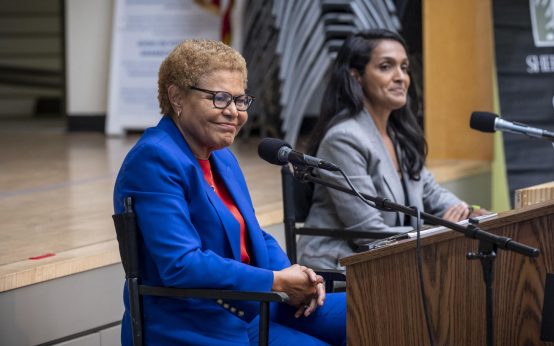 Analysis of the LA Mayoral Debate
 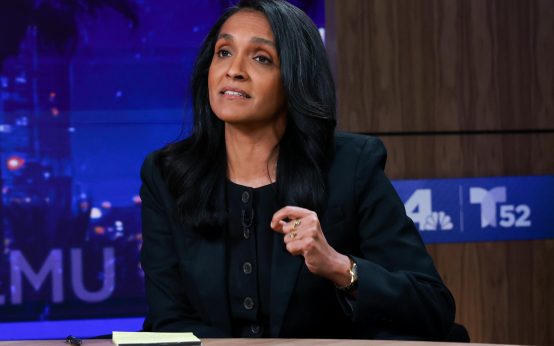 Councilmember Challenges Mayor Over Homelessness Program and Leadership
  French AI Entrepreneur’s Warning to American Voters: Avoid Democrat Policies
  L.A. Mayoral Debate Highlights: Bass vs. Raman
  Bass and Raman Face Off in Crucial Los Angeles Mayoral Debate