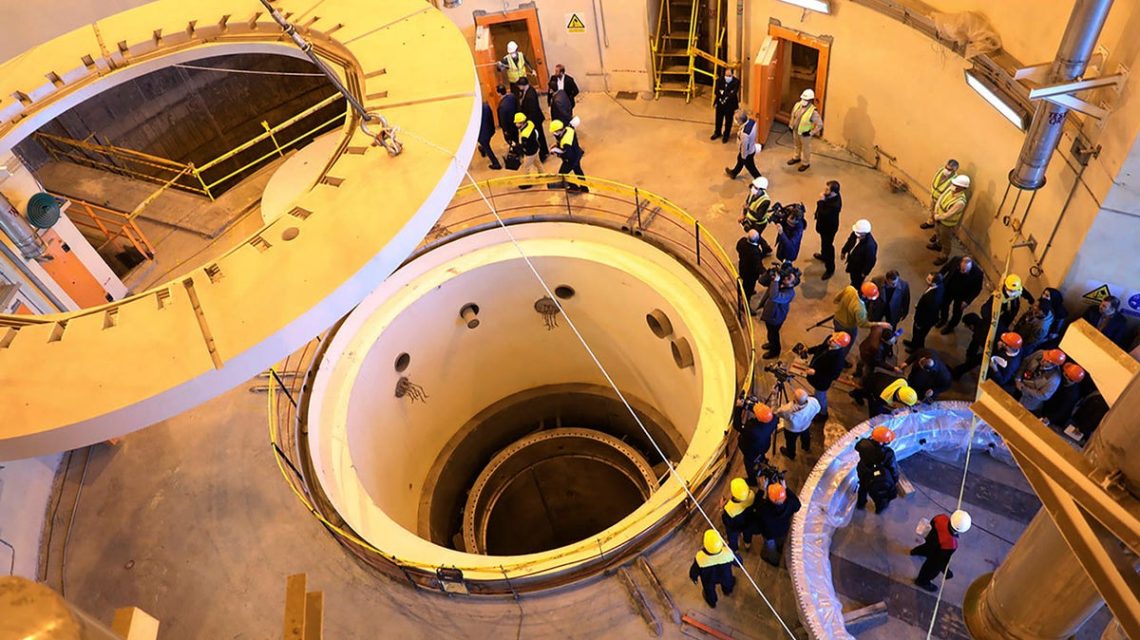
The Vemork Sabotage Mission of 1943
In 1943, nine Norwegian commandos embarked on a daring mission. They skied through Norway’s rugged terrain to sabotage the Vemork hydroelectric power plant. This facility, located in the town of Rjukan, was crucial to Nazi Germany. It was the only plant worldwide producing substantial amounts of heavy water, essential for the Nazi atomic bomb efforts during World War II.
After Norway fell under Nazi occupation in 1940, Vemork’s strategic importance grew. Led by physicist Werner Heisenberg, the Nazis envisioned a future where atomic bombs could devastate cities.
The heavy water from Vemork was vital to Nazi nuclear ambitions, prompting them to fortify the plant against Allied attacks.
Such historical narratives are captured in Neal Bascomb’s book, “The Winter Fortress.” While plans exist to adapt this story into a film, it remains unmade.
Modern Parallels: Iran’s Nuclear Ambitions
The global tension around nuclear weapons did not end with World War II. Contemporary parallels are evident in Iran’s nuclear program. Concerns center on preventing Iran from developing or acquiring nuclear weapons, a concern shared by many world leaders, including former U.S. President Donald Trump.
This stance echoes past leaders like British Prime Minister Winston Churchill and U.S. President Franklin Roosevelt, who invested heavily in the Manhattan Project to deter Hitler’s nuclear ambitions.
For Iran, theocratic motivations intertwine with nuclear aspirations. Their leaders, grounded in “Twelver” ideology, believe they can bring about apocalyptic visions. Western secular minds, particularly progressive activists, often dismiss these beliefs as fantastical. Still, they remain deeply embedded in Iranian governance.
Recent Developments and Ongoing Concerns
Despite efforts to dismantle Iran’s nuclear infrastructure, challenges persist. New facilities are reportedly under construction, suggesting ongoing ambitions to build or acquire nuclear weapons.
The motivations of Iran’s leaders are driven by theological convictions, making diplomatic solutions complex. While leadership changes might occur, the regime’s core objectives remain the same.
Understanding such current conflicts requires examining past successes like the Vemork operation, where initial sabotage followed by Allied bombing disrupted Nazi nuclear endeavors.
Conclusion
The historical struggle against nuclear proliferation, evidenced at Vemork, serves as a lesson for present-day challenges. While decisive actions by leaders like Trump may disrupt nuclear developments, they cannot erase the knowledge or ideological motivations within regimes like Iran.
 Trump Administration’s Plan to Resettle Afrikaners as Refugees
  Trump’s Vision on Iran, AI, and Global Security at the UN
  Lithuanian Leader Seeks U.S. Military Commitment Amid Rising Russian Threats
  Italian PM Giorgia Meloni Skips UN General Assembly Amid Growing Tensions
  Calls Grow for Ireland’s Soccer Team to Boycott Matches Against Israel
  New U.S. Military Bases Planned in Greenland Amid Strategic Security Deal