In February, the Supreme Court declared the tariffs from the Trump administration as unlawful and ordered repayments. Since then, the progress has been sluggish. Out of $166 billion owed, only $21 billion has been refunded to importers. An additional $40 billion remains stalled due to the requirement of individual lawsuits from each importer.
This scenario has left many, including working families, small businesses, and farmers, without the refunds they deserve. The system favors large importers who can handle complex legal processes over those who truly bore the cost. Small businesses and families who paid the price see no compensation.
Border state fiscal officials have witnessed the effect of these tariffs first-hand. Costs have surged across various sectors as retailers pass the increased import costs onto consumers. Everyday items have become more expensive, impacting families and small businesses alike.
The refund process supports large entities with resources for legal battles. Regular families and small shops face additional financial pressure. On average, tariffs have added $1,700 to a household’s expenditures. The impact equates to an $80 billion burden, straining Main Street establishments and family budgets. Small retailers often absorb these costs to retain customers.
The administration’s approach reserves relief for a select few, leaving out the primary payers of these costs. The stipulation of lawsuits for refunds further blocks $40 billion owed. Even as courts mandated clarity on refund qualifications, the administration intervened to prevent examination.
This situation transcends policy disputes. The deliberate obstruction lets large corporations benefit while leaving families to struggle. Economic stability leans on thriving local businesses, which need fair policies to grow and hire confidently.
Solutions should prioritize households and small enterprises who incurred losses. Transparency in refund merits and distributions is necessary for fairness. The administration should cease appeals against court orders that facilitate better access to refunds.
Every delay keeps inequality unaddressed, leaving working families unsupported as corporations thrive. Each appeal prolongs this disparity.
As state leaders focusing on finances, affordability, and stability, standing idle is not an option. The refund process must be reformed to assist those who should receive compensation.
Mike Pieciak is the Vermont state treasurer and Julie Blaha is the Minnesota auditor. The views in this article belong to the writers.
 Potential 2028 Presidential Candidates Begin Campaigning
 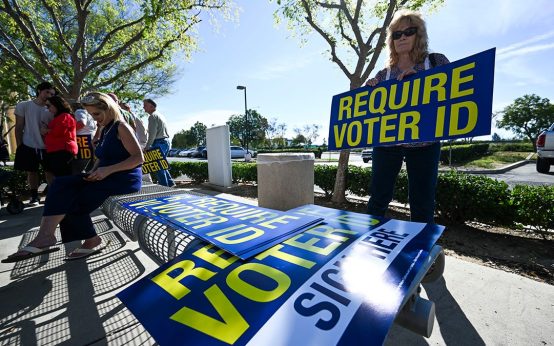 California Voter ID Proposal Sparks Debate
  Nevada Governor Race Heats Up as Election Day Approaches
  Rethinking Child Welfare Policy: A Call for Reform
  Trump Initiates Inquiry into Federal Reserve Governor Lisa Cook
  Michigan Senate Debate Highlights Intense Personal Attacks