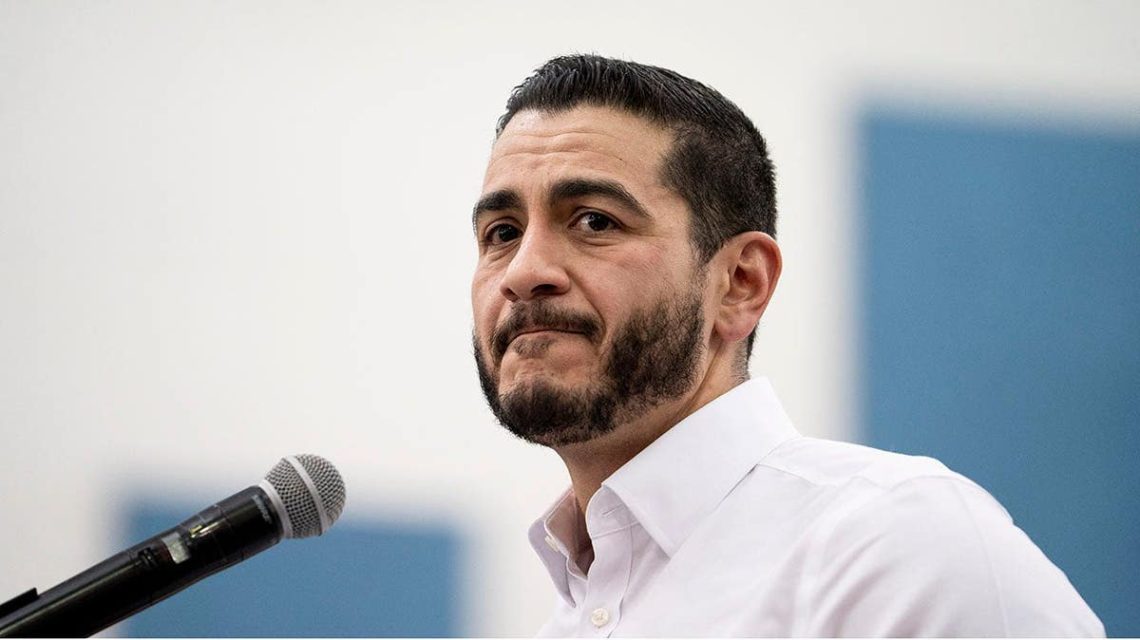
Physicians have played a significant role in the U.S. Senate throughout history. Notable examples include Sen. John Barrasso, an orthopedic surgeon who led surgery at Wyoming Medical Center, and Sen. Bill Cassidy, a gastroenterologist who co-founded a clinic for the underprivileged. Additionally, Sen. Rand Paul, an ophthalmologist, practiced for nearly two decades, while Sen. Roger Marshall, an OB-GYN, delivered over 5,000 babies. Sen. Bill Frist stands out as a heart surgeon who performed more than 150 heart and lung transplants and established the Vanderbilt Multi-Organ Transplant Center before serving in the Senate from 1995 to 2007, and as Senate majority leader from 2003 to 2007.
The qualities essential for great physicians, such as compassion, balanced judgment, calmness, and resolve under pressure, are equally valuable for U.S. senators. This underscores the importance of the debate surrounding Dr. Abdul El-Sayed’s claim to be a physician as he runs in the Democratic Senate primary in Michigan.
Recently, left-wing host Mehdi Hasan, during an interview on Zeteo, challenged El-Sayed for presenting himself as a physician without holding a valid state medical license.
“Do you wish you’d just stuck to calling yourself a doctor, which you are, to avoid all of this controversy and attacks on your physician status?” Hasan asked.
My perspective as a seasoned physician leads me to agree with Hasan’s inquiry, feeling that El-Sayed’s use of “physician” necessitates scrutiny. El-Sayed holds a medical degree from Columbia University and a doctorate in public health from Oxford University. These credentials establish him as a doctor and an epidemiologist, yet they do not qualify him as a physician, as he has not practiced medicine.
State licensing boards, including New York, typically reserve the title “physician” for individuals licensed to practice medicine or surgery. I align with this distinction, viewing it as crucial. Being a physician involves active roles like treating patients or engaging in medical research.
El-Sayed’s credentials are impressive. He has directed the Detroit Health Department and Wayne County’s Health, Human and Veterans Services Department. His academic appointments include positions in Michigan and at Harvard T.H. Chan School of Public Health. Nonetheless, those roles do not equate to practicing as a physician.
The American Medical Association Journal of Ethics clarifies that “physician” derives from the Greek “physik,” meaning nature. Historically, physicians studied the natural world, seeking physical explanations for illness, unlike those attributing illness to supernatural causes.
El-Sayed is a strong advocate for Medicare for All and authored “Medicare for All: A Citizen’s Guide.” Despite his stance of not receiving insurance company payments, navigating the insurance landscape is essential for understanding Medicare’s limitations.
The tradition of physicians serving as senators involves substantial expectations. Accurately representing one’s professional identity is a crucial factor in pursuing this path.
Marc Siegel, M.D., a professor of medicine, serves as Fox News Channel’s senior medical analyst. His forthcoming book is “The Miracles Among Us: How God’s Grace Plays a Role in Healing.”
 Legal Battle Over Media Ban at White House
  Governor Pritzker Addresses Hasan Piker Controversy
  Trump and NYC Mayor Mamdani: Political Divides and Collaborative Efforts
  Rep. Jared Golden Endorses Mike Lawler for Reelection
  Seattle Protects Nonmonogamous Relationships from Discrimination
  Democratic Lawmakers Criticize Trump’s $5,000 Payout Promise