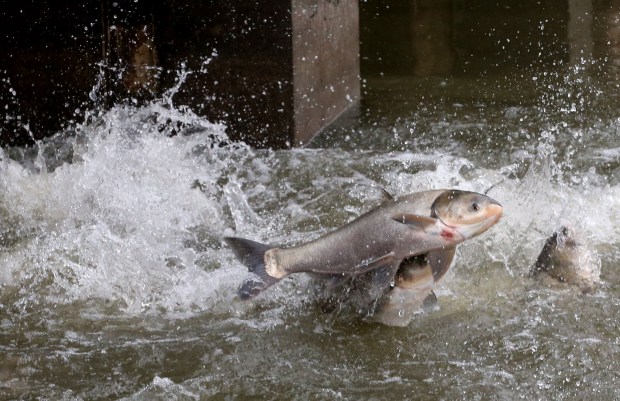
The administration of President Donald Trump has halted a project aimed at slowing the spread of invasive carp in the Great Lakes. Governor JB Pritzker of Illinois called this action a significant threat to both Illinois’ and the nation’s freshwater resources.
Governor Pritzker’s remarks followed an announcement that his administration had requested a reversal of the federal order to cease work on the Brandon Road Interbasin Project in Joliet. This project has faced multiple disruptions over the past year. Pritzker stated, “It’s clear that the Trump administration is attacking fresh water, clean water, and drinking water for the Great Lakes and the country.”
The project, aimed at constructing defenses against invasive carp at the Brandon Road Lock and Dam on the Des Plaines River, has been contentious between Illinois and the federal government. The outcome holds significant implications for the region. Illinois, along with Michigan and federal authorities, has worked for decades to prevent the spread of invasive fish like silver and bighead carp, which threaten ecosystems and industries associated with the Great Lakes.
Distrust between Pritzker and Trump has previously delayed the project’s progress. The governor’s office reported learning about the work stoppage “from contractors on site not from federal officials.” The Illinois Department of Natural Resources has since requested a meeting with project leaders from the U.S. Army Corps of Engineers. The Corps confirmed issuing a stop-work order, citing an ongoing administration review, but did not offer further details.
Previously, Trump signed a memorandum supporting the project while blaming Pritzker for delays. Additionally, the U.S. Department of the Interior froze over $13.6 million intended for three other carp mitigation projects, including the Brandon Road effort.
The Pritzker administration argues that project delays jeopardize drinking water for millions of people and the regional economy. Invasive carp, originating from China, were introduced to the U.S. in the 1960s to manage vegetation in aquaculture and sewage ponds. Flooding events in the 1980s and 1990s allowed these fish to escape into the Mississippi River basin, where they have spread northwards toward the Great Lakes.
Silver and bighead carp pose the greatest ecological threat, lacking natural predators in U.S. waters. Their unchecked population growth and ability to outcompete native species for resources can destabilize entire ecosystems, raising concerns about their potential entry into the Great Lakes.
The $1.15 billion mitigation project at Brandon Road underscores extensive collaboration among Illinois, Michigan, and federal agencies. The site is considered a critical point for implementing technologies designed to block the movement of silver and bighead carp. Current barriers near Romeoville remain insufficient.
Governor Pritzker emphasized the consequences, stating, “If the Great Lakes water supply is contaminated by Asian carp, it will impact our ability to keep that water clean and harm industries that rely on the Great Lakes, affecting all states bordering them.”
 Tropical Storm Polo Threatens to Impact Southern California
  Preparing for California’s Super El Niño
  Helicopter Crash Claims Lives of Two Firefighting Pilots in Yosemite
  Cold Weather Alerts and El Niño Influence
 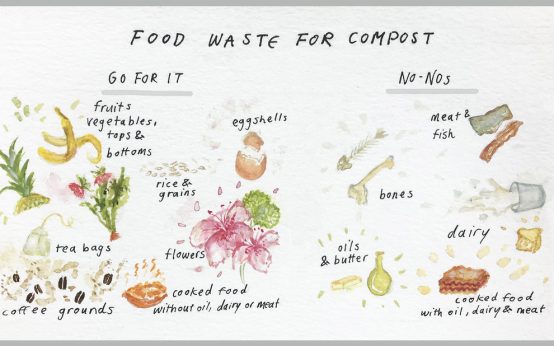 Turning Home Food Waste into Compost: A Guide
  Chicagohenge: When Sunlight Aligns with City Streets