Representatives for former President Donald Trump have submitted a brief in the New York Court of Appeals. They seek to overturn a liability finding in a $464 million civil fraud case focusing on his real estate valuations.
The legal argument presented in the appeal highlights procedural flaws, which they assert should have prevented the case from proceeding. The appeal states, “This case should have never been brought, and the judgment cannot stand.” It describes the case as “extremely unusual,” involving what it claims were improper statements targeting Trump, his family, and his businesses, along with a novel application of New York law.
This legal maneuver is part of Trump’s ongoing response to what he views as politically motivated legal challenges during his presidency. The appeal potentially allows Trump to contest remaining penalties from the verdict.
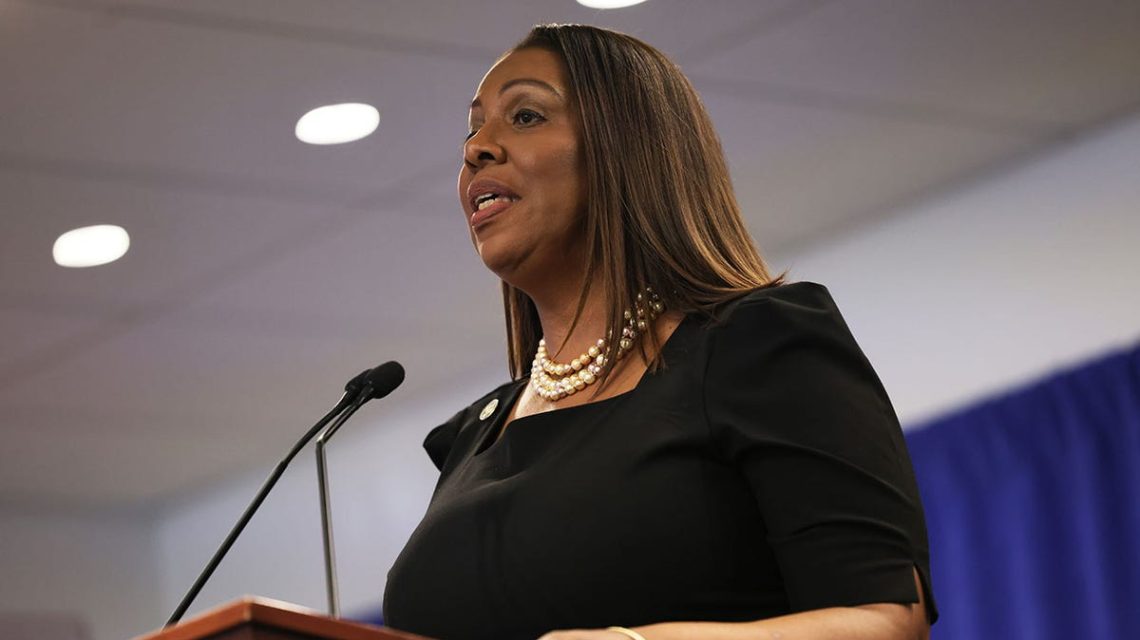
Attorney General Letitia James faced criticism after the funding for the New York Medicaid Fraud Unit was frozen due to ineffective enforcement.
In 2022, New York Attorney General Letitia James filed a lawsuit against Trump, citing 200 instances of fraud. The allegations included claims that Trump consistently overvalued properties in New York City to obtain favorable loans or insurance rates, breaching New York Executive Law § 63(12). This law directs the attorney general to pursue cases of repeated fraudulent or illegal acts.
The law defines fraud as “any device, scheme or artifice to defraud and any deception, misrepresentation, concealment, suppression, false pretense, false promise or unconscionable contractual provision.” Trump was held liable in 2023.
Consequently, he was ordered to pay $355 million plus interest in damages and prohibited from serving as a director of any New York company for two years. A ban on applying for loans from New York banks or financial institutions for three years was also imposed. Although an intermediate appeals court later vacated the monetary penalty, Trump’s attorneys argue that the liability finding and remaining restrictions should be dismissed.
Former President Donald Trump exits the courtroom during his civil fraud trial at the New York Supreme Court on January 11, 2024. (Michael M. Santiago/Getty Images)
The appeal presents five main arguments against the verdict. It claims Attorney General James lacked authority to bring the case, emphasizing it relates to private commercial transactions rather than public harm. It contends Trump’s valuations were subjective estimates independently reviewed by lenders, not fraudulent misrepresentations.
The appeal states, “The only supposed ‘victims’ here are a handful of ultrasophisticated banks and insurers that have never claimed to be injured, were eager to do business with President Trump and his family, and made over $100 million from these transactions.”
It further argues the prosecution’s premise of overvaluation incorrectly assumes real estate has one objective value and deviations are fraudulent. The filing states, “Under that breathtakingly broad theory, NYAG can second-guess any business transaction in this State on almost any imagined grounds.”
Regarding penalties, the appeal challenges the $450 million disgorgement as excessive, unlawful, and unconstitutional. The politically charged nature of the case alone, it argues, should have halted proceedings.
The document remarks, “NYAG cannot point to a single Section 63(12) enforcement action against similarly situated developers (or any other type of defendant) based on practices comparable to those alleged here.”
It continues, “Ms. James repeatedly called President Trump a ‘criminal’; promised to ‘investigate President Trump and his business transactions,’ ‘review … Trump-related real estate transactions,’ and ‘take on … his business in New York’; and threatened President Trump’s ‘family’ and ‘anyone in his orbit.”
The office of James has yet to respond to Fox News Digital’s request for comment.
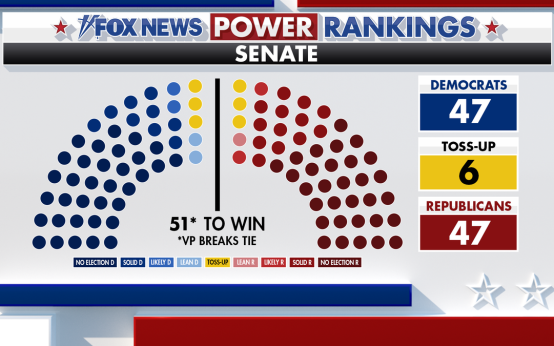 Senate Control Battle Intensifies as Midterms Approach
 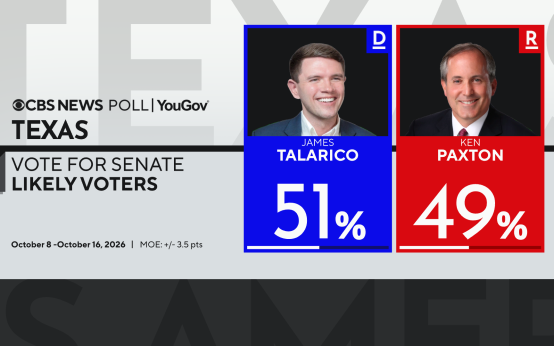 Texas Senate Race Heats Up as Turnout Becomes Key Factor
 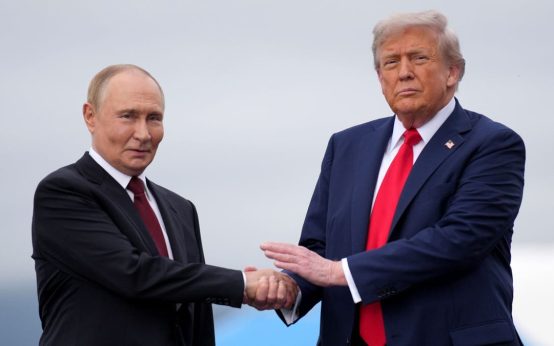 Trump’s Diesel Deal with Russia: Analyzing the Impact and Opposition
  European Parliament Takes Action Against Muslim Brotherhood
  Democracy and Electoral Challenges in Maryland
  Congress Investigates Nonprofits in Singham’s Network