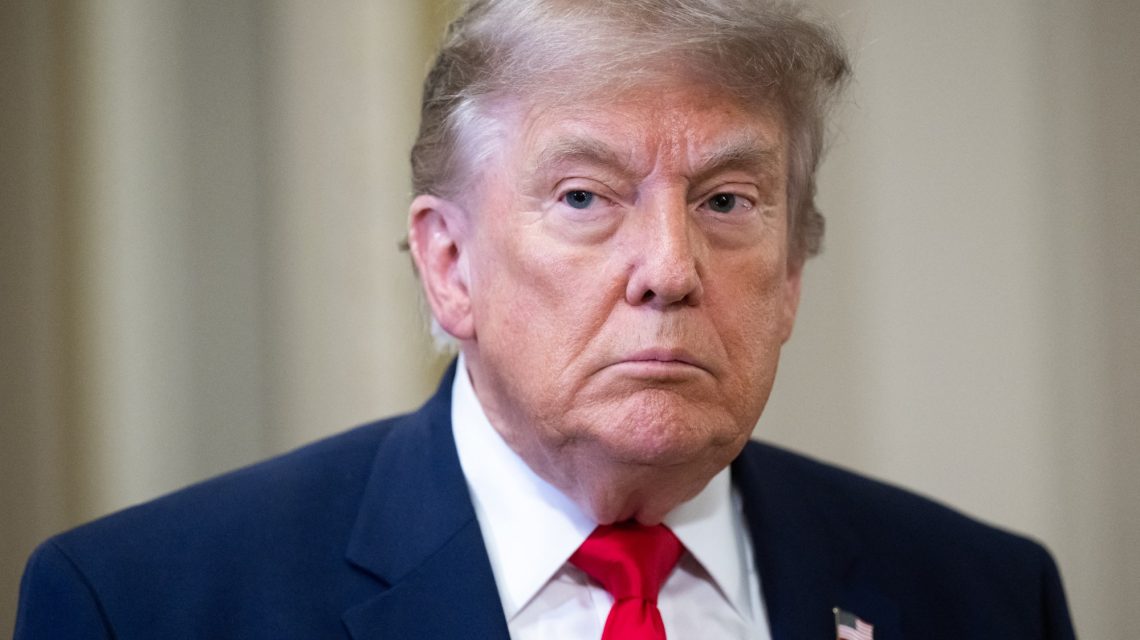
President Donald Trump has announced he will not sign the 21st Century ROAD to Housing Act. This bipartisan bill had gained wide support in Congress. Despite previously backing the legislation, Trump cited a strategic reason for his abrupt change. He aims to pressure Congress into passing the SAVE America Act, which critics argue could restrict voter registration.
This development has unsettled congressional Republicans. The signing ceremony for the housing bill was canceled on June 24. As Congress approaches its summer recess, some speculate Trump might use a pocket veto to block the bill. This option, however, is not applicable in this situation.
The U.S. Constitution outlines how a president may handle a bill. Once Congress sends an enrolled bill to the White House, the president has 10 days, excluding Sundays, to act. He may sign it, veto it, or take no action. If no action is taken, the bill becomes law unless Congress adjourns, preventing the bill’s return, in which case a pocket veto applies.
There is confusion around whether Congress’s recess, beginning July 3, allows a pocket veto, as reported by The New York Times and others. Historically, Constitutional guidance and precedent clarify this. For a pocket veto, Congress must adjourn completely, preventing the bill’s return. This ensures that Congress has a final chance to address any vetoed bills, preserving the checks and balances the Framers intended.
Pro forma sessions and designated legal agents allow for the return of bills and communications even during adjournments. These practices have enabled Congress to maintain its legislative processes during breaks.
Should Trump wish to block the housing bill, he must issue a return veto. The strong support the bill received suggests an override is possible, although Trump’s influence within his party could affect votes.
The nuances of veto power, though seemingly unimportant to Trump, were significant to the nation’s Founders and remain critical today.
Robert J. Spitzer is a political science professor emeritus at SUNY Cortland and adjunct professor at the College of William and Mary School of Law. He has authored 16 books, including works on presidential veto power.
 Challenges Facing the Supreme Court’s Public Perception
  California Democratic Aide Arrested for Visa Overstay by Federal Authorities
  Experts Doubt Export Ban Will Lower Fuel Prices
  Trump Delivers Warning to Iran, Cuba at UN General Assembly
  Trump Delivers Stern UN Speech on Iran, AI, and Global Security
 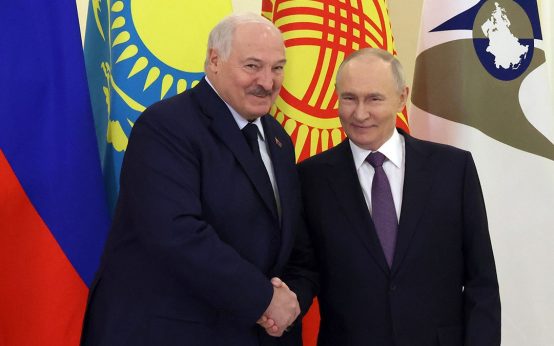 Lukashenko and Putin’s Unique Relationship and Belarus’ Strategic Role