Last year, the cigarette smoking rate among U.S. adults reached another record low. Government survey data showed that 1 in 11 adults identified as current smokers. Smoking is known to cause lung cancer, heart disease, and stroke. It is regarded as the leading cause of preventable death.
The Centers for Disease Control and Prevention (CDC) collected responses from over 24,200 adults. They defined current smokers as those who have smoked at least 100 cigarettes in their lifetime and continue to smoke daily or occasionally.
In the mid-1960s, 42% of adults in the U.S. smoked. This rate has steadily declined over the decades. Contributing factors include cigarette taxes, price increases, smoking bans, public education campaigns, and changing social norms. In 2024, the percentage of adult smokers fell below 10% for the first time. Last year’s survey reported the rate at 9%.
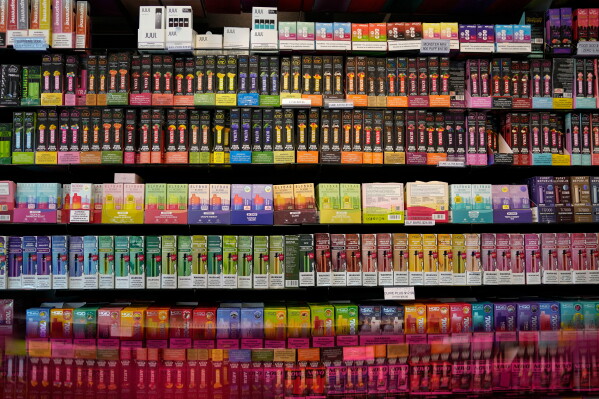
Use of electronic cigarettes has risen among adults yet remained stable at about 7% in 2025.
“The continued decline in smoking is a public health success, saving millions of lives and reducing healthcare costs,” remarked Yolonda Richardson, CEO of the Campaign for Tobacco-Free Kids based in Washington, D.C.
Richardson highlighted setbacks in smoking-prevention efforts due to cuts made during President Donald Trump’s administration. These cuts affected the CDC’s Office on Smoking and Health and the “Tips from Former Smokers” ad campaign. She noted that the “Tips” campaign helped over 1 million Americans quit smoking and saved more than $7.3 billion in healthcare costs.
Richardson emphasized, “Restoration and support of these initiatives are crucial to continue cutting smoking-related diseases, deaths, and healthcare expenses.”
 Potential Changes in Medicare Reimbursement for Lab Tests
  Understanding and Addressing the Complexity of Suicide
  Recall of Meat Products from Star Meat Delivery Inc.
  Questions Arise After Presley Gerber’s Death in Rehab
  Upcoming Concerns and Influence in Health Politics
  Fraud Task Force Saves Billions by Tackling Obamacare Misuse