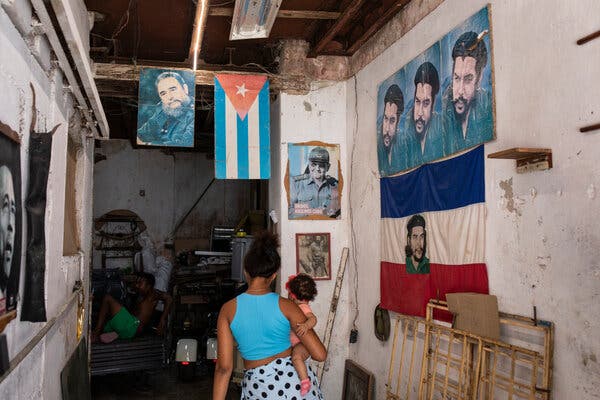
News of the United States indicting former Cuban president Raúl Castro on murder charges has created a wave of reactions across Cuba and beyond. However, many on the island remain uninformed due to frequent power outages and unreliable telecommunications services.
The announcement has been part of a broader strategy of U.S. pressure on the Cuban government, with accusations dating back to the 1996 incident involving the downing of two aircraft, resulting in the deaths of four individuals, including three Americans. This development stirred varied opinions among Cubans, yet a shared aspiration for change is evident.
“This has to change,”
said Yoandy Benítez Ramirez, a 24-year-old worker at a Havana tobacco factory, echoing the sentiments of many who endure the harsh realities of life in Cuba.
Blackouts, food shortages, and a health crisis plague the nation, conditions exacerbated by former U.S. President Donald Trump’s administration’s severe restrictions on Cuba’s oil supply, implemented in January. These hardships have led many citizens to privately hope for changes that might alleviate their struggles.
While few Cubans have access to direct U.S. news broadcasts, some manage to catch glimpses of American television reports. This varied access underlines the ongoing information gap on the island.
 Federal Appeals Court Decision Against Trump’s ‘Third-Country’ Deportation Policy
  Ed Sheeran’s Philadelphia Concert Amid Controversy
 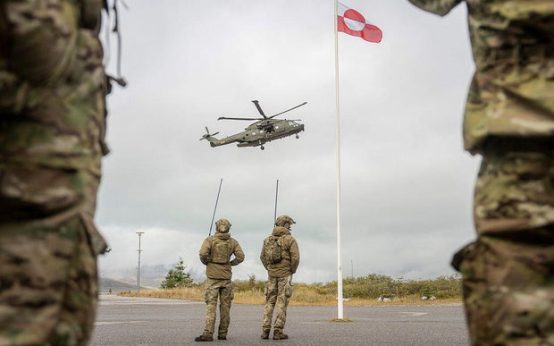 U.S. Secures Strategic Control Over Greenland
  U.S. Security Agreement in Greenland Sparks Optimism and Concerns
 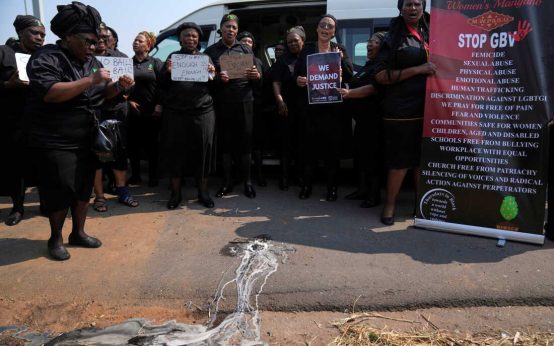 Impact of Gender-Based Violence in South Africa
 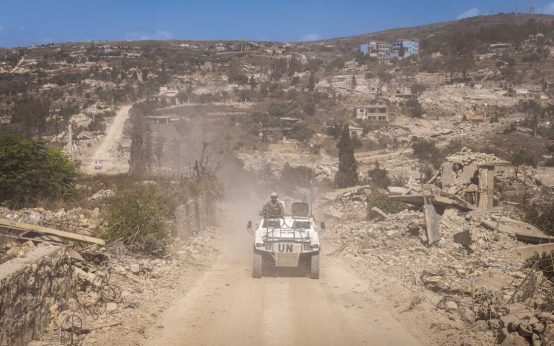 UNIFIL Operations in Southern Lebanon Amidst Ceasefire Challenges