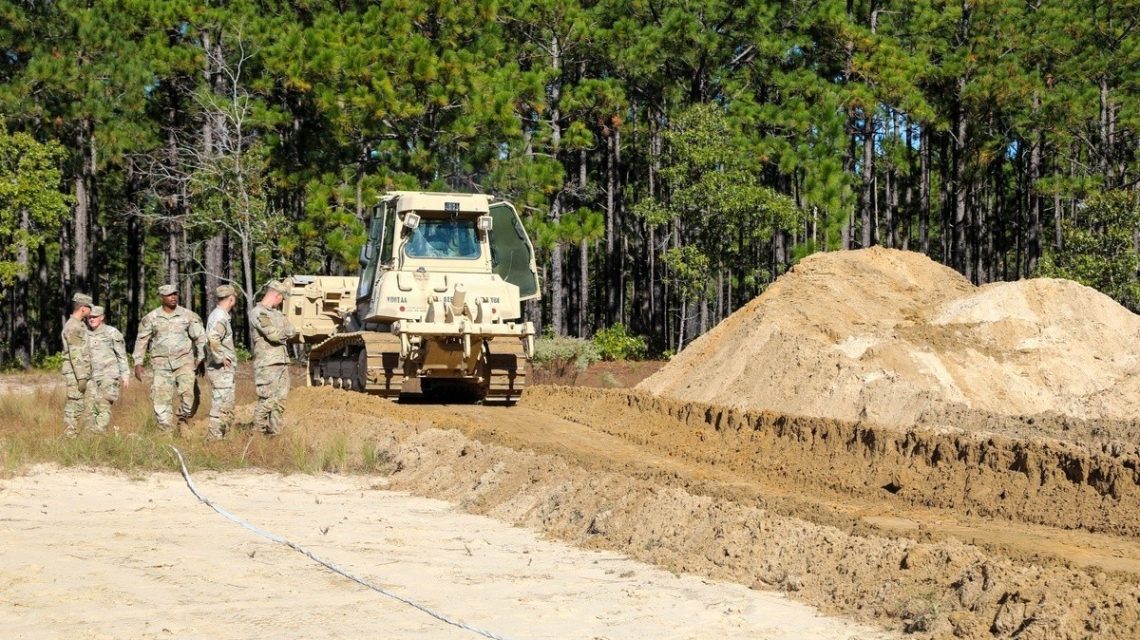
The U.S. Army is practicing mass burial techniques for the first time in decades. This training addresses the response needed if the military suffers numerous casualties in ongoing conflicts.
Soldiers from the 3rd Corps Sustainment Command and the 20th Engineer Brigade, based in Fort Bragg, North Carolina, participated. This included religious support personnel such as military chaplains. They explored the use of diggers and excavators to maintain bodies until identification and repatriation are possible.
The Army hasn’t conducted large-scale trenches since the Korean War. Around 37,000 U.S. personnel died in that conflict, which left the Korean Peninsula divided.
For the past 25 years, U.S. forces evacuated deceased soldiers quickly during the Iraq and Afghanistan conflicts.
Specialized military teams can’t individually manage burial or religious rites when casualties are high. Conflicts often continue amidst these challenges. U.S. military directives require commanders at all levels to preserve and identify deceased personnel.
A standard temporary internment setup includes five trenches, holding up to 100 casualties total. In drills at North Carolina, Army personnel used bulldozers, completing each plot in an average of one hour and 15 minutes.
Potentially, 2,400 soldiers could be buried temporarily in 24 hours with eight bulldozers and four military excavators.
Sergeant 1st Class Delbert Ruede emphasized this exercise as a respectful, systematic approach to managing fallen soldiers during intense conflicts.
The Fort Bragg drills marked over two decades since chaplains and religious affairs personnel in the U.S. Army trained for battlefield grave digging roles.
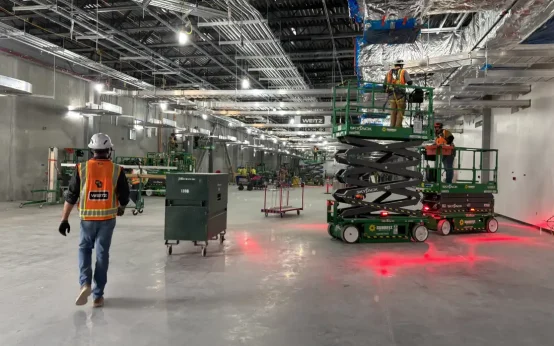 The Impact and Controversy Surrounding Wisconsin’s Project Lighthouse Data Center
 Increased Risk of Deer-Vehicle Collisions with Time Change
 Midterm Elections and Immigration Issues Dominate Headlines
 Notable Events on October 29th
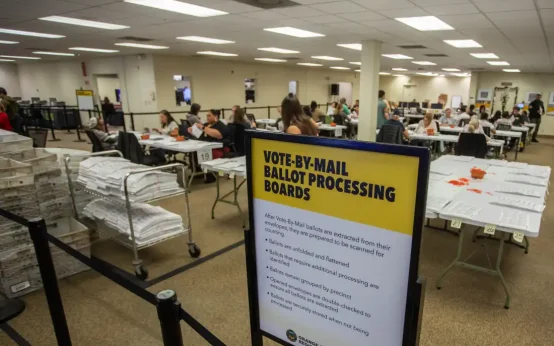 Federal Judge Denies DOJ Request to Segregate California Ballots
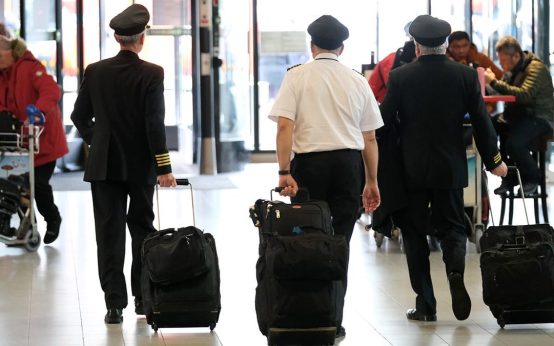 Pilot Fatigue: A Growing Concern in Aviation Safety