U.S. Prosecutors Expand Case Against Former Venezuelan Leaders
The criminal case against former Venezuelan President Nicolás Maduro and former first lady Cilia Flores intensified as U.S. prosecutors introduced new torture-related charges. These accusations are linked to a long-standing effort to maintain power through violence, intimidation, and repression.
The superseding indictment adds a conspiracy to commit torture charge to an existing prosecution, which already includes claims of narcoterrorism, cocaine trafficking, and weapons offenses. Prosecutors allege that the couple leveraged state institutions, security forces, and allied groups to target opponents and detainees. The Justice Department claims multiple U.S. citizens were among the victims.
The question arises: Does the new charge substantially alter the government’s case or merely add complexity to an already significant prosecution?
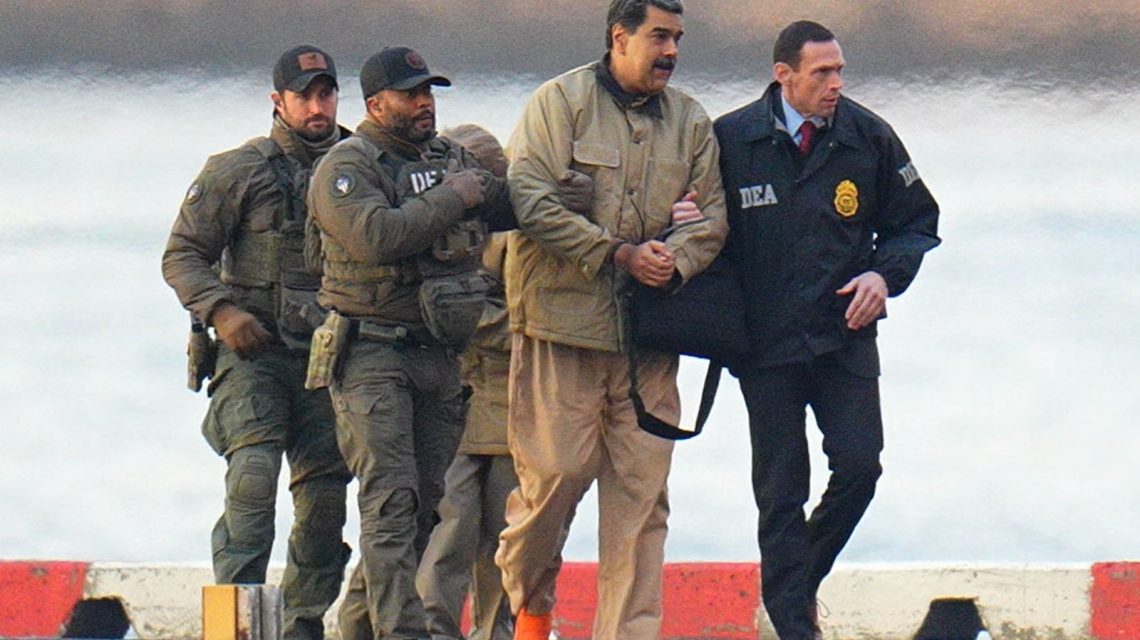
Maduro, 63, and Flores, 69, were apprehended by U.S. forces at their Caracas residence on January 3, and transported to New York to face federal drug trafficking charges. Both have entered not guilty pleas and remain in federal custody, waiting for a trial scheduled for June 2027. Maduro’s capture marked the end of his 13-year rule in Venezuela, now led by his former vice president, Delcy Rodríguez.
Maduro’s Legal Response
Barry Pollack, Maduro’s attorney, conveyed to Newsweek that “President Maduro denies the charges in the new indictment and anticipates his day in court.”
Investigation Unveils Additional Crimes
Attorney General Todd Blanche stated that investigators continued to expose “the extent of their alleged crimes against the people of Venezuela and the United States.” He asserted the new charges aim to secure “justice for the victims of torture, narcoterrorism, and organized crime.”
The Justice Department alleges that over two decades, Maduro, Flores, and their confidants enriched themselves through corruption while silencing opposition through “violence, threats, and physical torture under color of law.” Alleged victims include U.S. citizens, and conduct such as electric shock, asphyxiation, rape, starvation, extended isolation, and psychological torture is described.
A DOJ statement emphasizes that an indictment remains an allegation, assuring all defendants are presumed innocent until proven guilty.
Jamie McDonald, U.S. attorney for the Southern District of New York, noted the new indictment claims the couple and other leaders “conspired to suppress dissent through severe human rights violations,” including the torture of several Americans. Torture charges are additional to existing narcoterrorism, cocaine-importation, and weapon allegations.
Legal Perspective: Strengthening the Prosecution
Legal experts suggest the new count could enhance the prosecution’s case. Former federal prosecutor David Weinstein emphasized that the additional allegations bolster the government’s overall case by underscoring the seriousness of the charges.
The practical impact may arise before the trial. Weinstein predicts that the current trial setting may be postponed due to the need for preparation to address the new charges. Defense attorneys might attempt to separate the torture allegations from the narcotics case through a motion.
International Law and Broader Implications
International law considerations may gain prominence. John Cerone, an international law scholar, noted that both the United States and Venezuela are parties to the Convention Against Torture, obligating countries to prosecute alleged torturers or extradite them to compliant jurisdictions.
Cerone highlighted that the U.S. prosecuting these individuals fulfills its treaty obligation, potentially testing head-of-state immunity. He referred to the case against former Chilean dictator Augusto Pinochet in the United Kingdom, where former heads of state were found prosecutable globally under the Torture Convention.
Cerone remarked the case is unique due to the potential for universal jurisdiction triggered by torture charges. The U.S. prosecution could uncover evidence beneficial for foreign prosecutions, potentially influencing accountability efforts internationally.
Anticipated Developments
The primary concern is whether the new charge alters the trial trajectory. Defense attorneys may request additional preparation time, possibly seeking to isolate the torture count from the existing charges.
Cerone echoed the importance of observing foreign governments’ reactions to the prosecution, whether viewed as adherence to international obligations or political maneuvering.
He foresees potential legal disputes concerning head-of-state immunity and broader international law issues arising from Maduro’s past leadership role.
The success of the prosecution in proving allegations is a matter for jury deliberation. Legal experts indicate that the supplementary charges have expanded the case from drug-related allegations to a broader initiative to hold former national leaders accountable for alleged human rights infringements.
 Theatergoers Disrupted by Alarm During Northwestern Play on Hamas Attacks
  China’s Espionage Activities in the U.S.: A Closer Look
  87-Year-Old Woman’s Death After Eviction Sparks Protests in Spain
  Arrest of Latvian Nationals Triggers Investigation at UK Military Base
  Addressing Presidential Accountability for International Law Violations
  Iranian Regime Accused of Using War as a Cover for Executions