Countries are discovering that certain landscapes can unintentionally aid in fire prevention. This realization has led to a shift in how European nations address wildfires, focusing more on preparation than reaction.
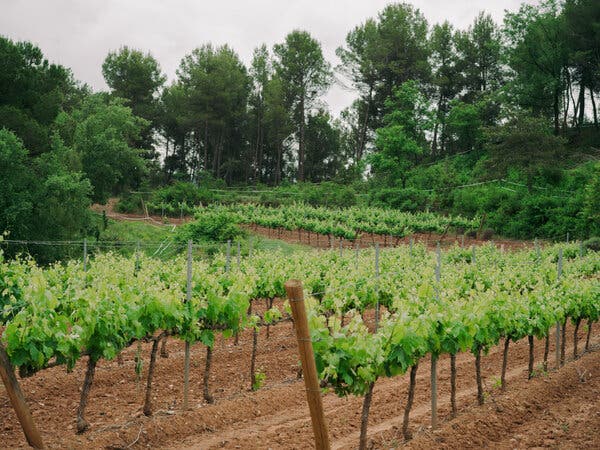
In Catalonia, Spain, flames recently devoured a forest, advancing toward a family vineyard dating back 800 years, Celler Abadal. Situated beside the forest, the vineyard’s rows of grapes are bordered by a small stretch of barren soil. To the surprise of many, when the fire reached this point, it stopped.
In 2017, a similar incident occurred, highlighting how vineyards and comparable landscapes can impede or even halt advancing forest fires. “It’s not only that it is beautiful,” explained Ramón Roqueta, owner of Celler Abadal, as he surveyed his vineyards. “It’s also making the area more resilient.”
Over recent years, wildfires in Europe have become more severe. Last year marked the worst wildfire season in Europe since 2006, burning nearly 2.5 million acres. As of now, in 2026, the area burned has exceeded the annual average recorded between 2006 and 2025.
The use of vineyards and similar landscapes in strategic locations may provide a natural buffer against wildfires. This approach not only preserves historical and agricultural sites but also enhances regional resilience to fires.
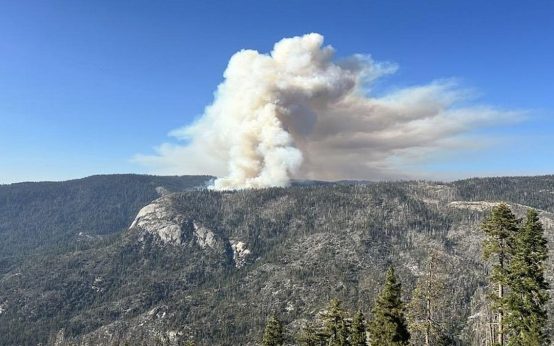 Helicopter Crash Claims Lives of Two Firefighting Pilots in Yosemite
  Cold Weather Alerts and El Niño Influence
  Turning Home Food Waste into Compost: A Guide
  Chicagohenge: When Sunlight Aligns with City Streets
  Fat Bear Week 2026: A Look at the Contest and Its Competitors
  California Governor Declares Statewide Emergency Ahead of El Niño Storms