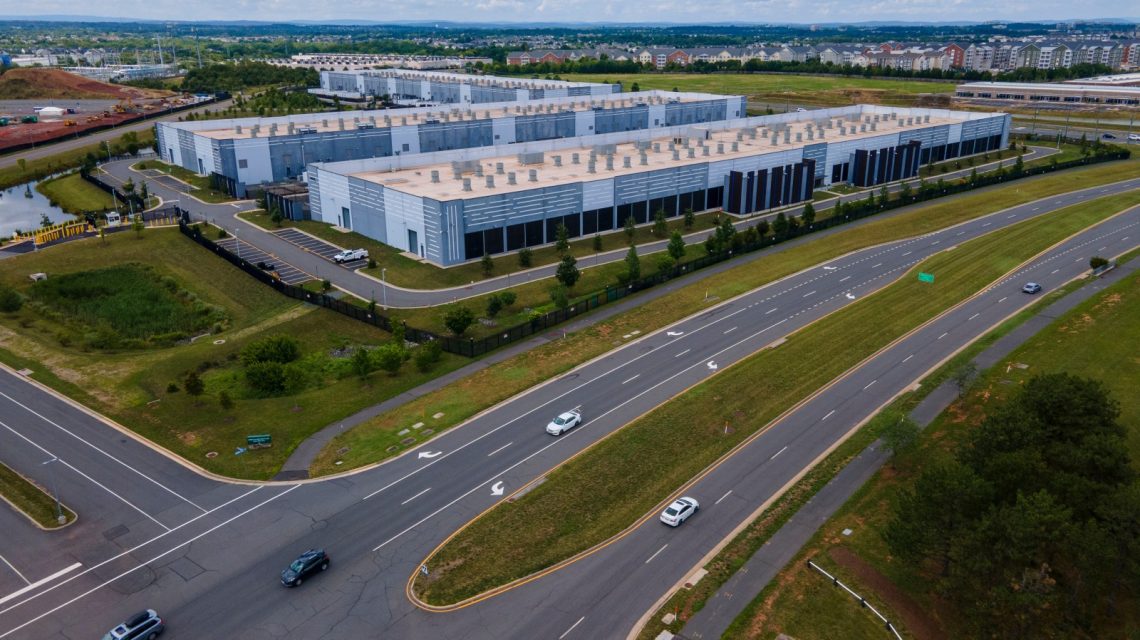
Virginia plans to introduce an electricity tax on data centers, signaling a major shift in revenue strategies for the world’s largest data center market.
Tax Details
According to the HB30 conference report, beginning July 1, 2026, and ending before July 1, 2028, data centers in Virginia will be taxed $0.011 per kilowatt-hour of electricity consumed monthly. This tax will be collected by the State Corporation Commission. The measure aims to generate up to $600 million annually for the state’s general fund. Revenue exceeding this annual cap, after covering administrative costs, will be placed in a special non-reverting fund and refunded to operators based on their share of tax payments.
Why Is It Important?
This new tax is notable because Virginia is not eliminating an existing tax break but is instead imposing a levy directly tied to electricity usage. Other states have focused on reversing tax exemptions, adjusting zoning and permitting regulations, requiring data centers to pay more for grid upgrades, or incorporating additional energy and environmental requirements.
Environmental Considerations
Virginia’s budget includes directives related to data center cooling and water use. The Department of Environmental Quality will develop criteria for ‘Cooling Water Scarcity Areas,’ with an emphasis on the Eastern Virginia Groundwater Management Area. Data centers in these areas are expected to use air cooling, closed-loop cooling, or more efficient systems as much as possible. By October 15, the department must study and plan for retrofitting existing data centers in the area to use air cooling, recycled water, stormwater, or closed-loop systems.
Background and Reactions
The decision follows disagreements over Virginia’s data center sales tax exemption. Senate Democrats were in favor of increasing revenue from the industry, while Governor Abigail Spanberger and House Democrats opposed repealing the sales tax exemption. Senate Finance Chair L. Louise Lucas and House Appropriations Chair Luke Torian emphasized that the agreement aims to make Virginia more affordable for families.
Industry groups have expressed concerns. The Data Center Coalition warned that the tax proposal might halt investment. Governor Spanberger’s office remarked that while data centers should contribute fairly, Virginia shouldn’t breach agreements with companies that have driven investment and economic growth.
Supporters of increased revenue from data centers, notably Lucas and Senate Democrats, advocate capturing more funds for social programs. The Joint Legislative Audit and Review Commission noted that Northern Virginia hosts 13 percent of the global data center operational capacity and 25 percent of the capacity in the Americas. MultiState highlighted Northern Virginia’s massive concentration of over 200 data centers.
Trends in Other States
Georgia is debating reducing incentives. The Georgia Senate passed SB 410, which phases out tax breaks for new data centers. Ohio’s Governor Mike DeWine paused new tax-break offers for data centers, and legislation is underway to cut incentives and address water reporting. In Illinois, Governor JB Pritzker ordered a halt on new data center incentive agreements from July 1, pushing for regulations on electricity rates, water resources, and transparency. These actions indicate a broader trend among states to reconsider incentives for data centers.
 Rising Optimism Amid Box Office Success and YouTube Influences
  AI’s Expanding Role in Everyday Life
  OpenAI’s AI Agents and the Growing Call for Regulation
  FAA Investigates Software Issue in Boeing 737 Max
  Senator Ted Cruz on America’s AI Race Against China
  Ways to Protect Your Finances from Cyber Threats