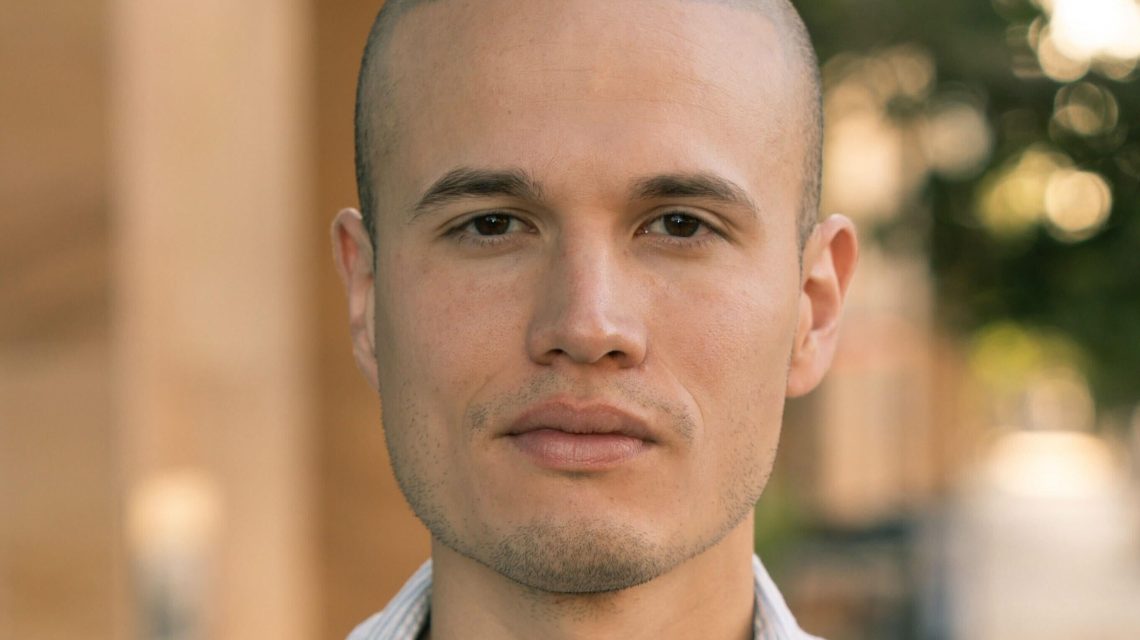
In Chicago, 18-year-old Ricardo Hernandez-Navarrete has recently faced a challenge that threatened his dreams. Until only a few days ago, he was detained in an immigration center in Kentucky, fearing deportation. This concern shadowed his ambition to play professional soccer.
On Thursday evening, Hernandez-Navarrete returned to Chicago to earn his high school diploma after an unexpected release by U.S. Immigration and Customs Enforcement (ICE). “Good, excited,” he told CBS News as he stood among graduates.
The Colombian-born teen endured over two months in ICE custody. This followed an arrest with his mother during what they anticipated would be a standard immigration appointment in Chicago. Due to being of legal age, he was separated from his mother, moved through various detention facilities across multiple states, including Indiana and Kentucky.
During his initial national television interview, Hernandez-Navarrete described his detention as “hard to understand.” “I couldn’t play soccer,” he explained. “That’s the most important thing in my life.” He also spoke of the pain from the separation from his mother. “I had never been separated from him for so long,” his mother, Martha Liliana Navarrete, shared with CBS News in Spanish.
ICE released his mother last week, following a judge’s decision. She expressed her fears of her son facing deportation, fearing it would crush her hopes of seeing him thrive as a soccer player in the U.S.
Although ICE released Hernandez-Navarrete just two days before his graduation, the reasons remain unclear. An immigration judge denied him bond the same day, according to his lawyer. Yet, the young graduate expressed happiness to reunite with his family and friends in Chicago. He also confirmed his decision to play soccer for Truman College.
Despite their temporary freedom, the possibility of deportation still looms for Hernandez-Navarrete and his mother. In a statement, the Department of Homeland Security indicated their illegal entry into the U.S. in 2022, emphasizing that the teen will receive full due process.
The U.S. immigration court system will now determine the legality and permanence of their stay, stated their lawyer, Kelli Fennel. Hernandez-Navarrete must check in with ICE bi-weekly and wear a monitoring watch. He is required to submit daily photos of himself and notify ICE of any travel plans beyond the region.
Hernandez-Navarrete’s high school coach, Enrique Cervantes, expressed that his former player doesn’t align with the “dangerous criminals” often cited in the Trump administration’s deportation discussions. “Ricardo is someone going to school, working, and striving for a better future at the collegiate level,” Cervantes noted.
When questioned about what message he wished to convey to U.S. government officials, Hernandez-Navarrete replied they should consider his clean record and aspirations. “They can see that I’ve been in high school, I graduated, and I’m going to be in college,” he said. “So I’m doing the right things.”