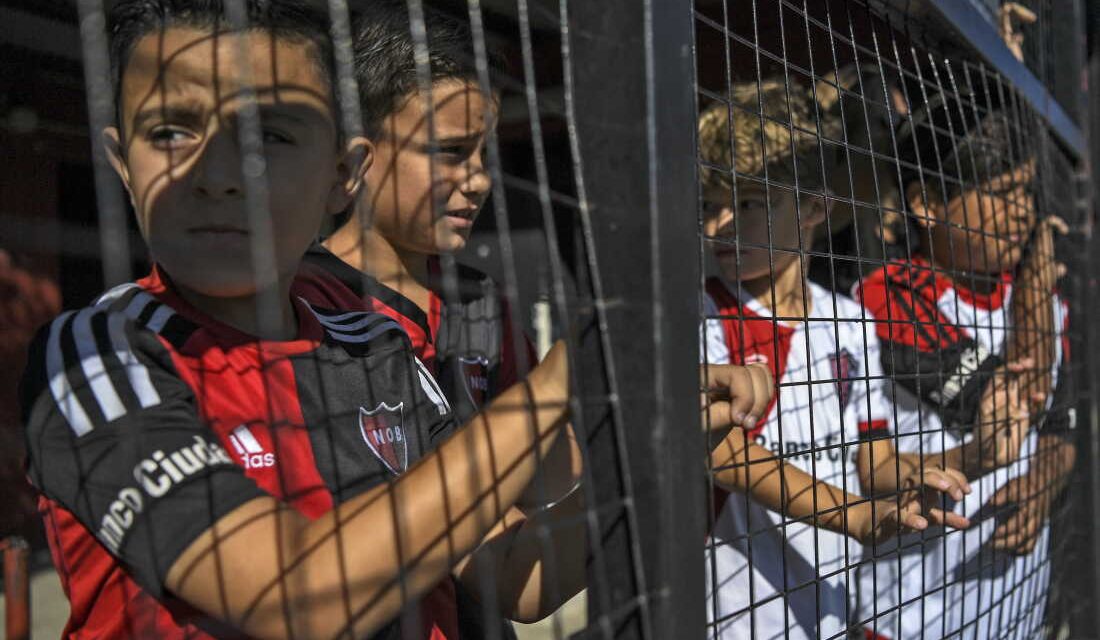
Introduction to Newell’s Old Boys
Newell’s Old Boys, a renowned soccer club in Rosario, Argentina, offers a successful and accessible youth academy. The club is located in Argentina’s third-largest city and hosts approximately 700 young players aged 4 to 12 each week. Kids train surrounded by murals of famous alumni, including soccer legend Lionel Messi.
An Affordable Training Ground
Newell’s youth academy provides scholarships to its most promising players, allowing them to train free of charge. Others pay a modest fee of around $25 monthly for biweekly training with former professional coaches. Each weekend, competitive matches take place against teams from the surrounding areas.
“Here you get good coaching,” says Carlos Gil, a fencing contractor and father of a young player at Newell’s. He highlights the financial accessibility compared to the U.S., where fees range from $1,000 to $3,000 annually.
The Economic Impact of Soccer Structures
Argentina’s model contrasts with the U.S. youth soccer system, which follows a pay-to-play structure. This difference has sparked discussions about whether the American system limits the country’s potential in men’s soccer.
Newell’s financial sustainability is not reliant on tuition fees or business donations. The revenue comes from the club’s professional team, which competes at the top level in Argentina. They earn through ticket sales, broadcasting rights, and transfer fees when young players move clubs.
The Role of Transfer Payments
In contrast to Argentina and Europe, where youth clubs benefit from training compensation and solidarity payments, U.S. clubs do not receive a share from transfer fees. As MLS does not mandate sharing transfer profits, youth clubs rely heavily on parental payments.
The Open System Debate
Rory O’Neill, a coach from Pennsylvania, argues that the lack of transfer compensation places U.S. clubs at a disadvantage. He advocates for an open league system where performance determines the league standings. This could boost investment in youth development as clubs strive for financial and competitive growth.
“You would have almost any millionaire start investing in clubs,” O’Neill said, suggesting an open system would attract more funding.
Conclusion: The Argentine Approach
Argentina’s promotion and relegation system supports thousands of clubs aiming for the top division, encouraging investment in youth academies. Newell’s Old Boys exemplifies a well-run club that balances affordability with quality training. Parents like Carlos Gil, who manage long journeys and daily challenges, benefit from the academy’s supportive structure, ensuring that talented youth can flourish.
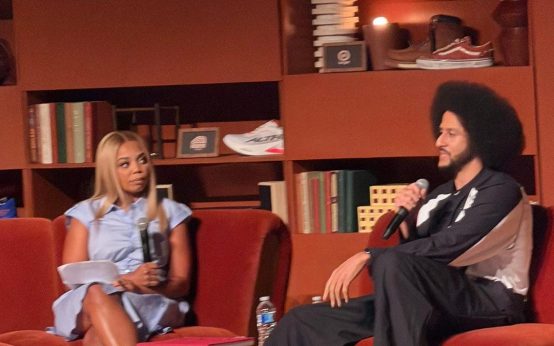 Colin Kaepernick Discusses Personal Stories at National Black Footwear Forum
  Arizona Cardinals Defy Expectations with Opening Game Victory
 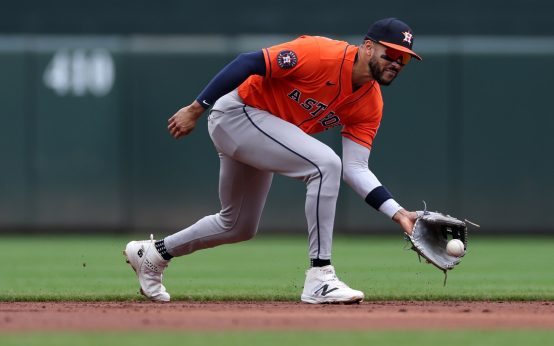 Carlos Correa’s Potential Position Change as Astros Push for Playoffs
 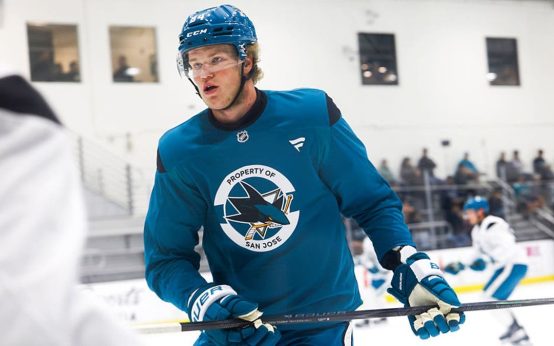 Liam Lefebvre Engages in Dramatic Hockey Fight with Alexander Karmanov
 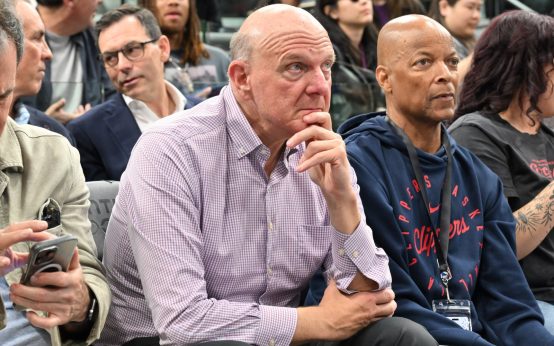 Steve Ballmer Accepts Responsibility for Kawhi Leonard Scandal
  Vikings Triumph Over Packers Despite Murray’s Injury