
Iran launched ballistic missiles and drones toward Bahrain and Kuwait early Saturday, as reported by Bahrain’s government. The actions led to their interception, prompting Bahrain to urge Tehran to cease attacks on Gulf neighbors, labeling the situation a ‘serious escalation.’
Iran’s foreign ministry accused the U.S. of assaulting surveillance facilities on Qeshm Island and near Sirik. These facilities were reportedly safeguarding borders and ensuring navigation security in international waters. Tehran described the U.S. attack as a violation of the fragile ceasefire.
The exchange of fire happened amidst the Trump administration’s efforts to negotiate with Iran to resolve a conflict affecting the global economy and creating a hunger crisis in susceptible countries. Iran indicated its attempts to target U.S. military forces.
The U.S. military confirmed intercepting several Iranian missiles and drones headed toward the Strait of Hormuz and Gulf Arab allies. It also struck some coastal surveillance radar sites in response. U.S. Central Command stated the drones imposed an immediate threat to regional maritime traffic, and it hit radar sites to prevent future attacks.
Iran’s Revolutionary Guard claimed to target the Ali Al Salem air base in Kuwait and the U.S. Navy’s 5th Fleet in Bahrain, as quoted by the state-run IRNA news agency. However, there were no reports of injuries to U.S. personnel.
Earlier, Iranian drones attacked Kuwait’s primary airport, damaging a passenger terminal, resulting in one death and numerous injuries. In retaliation, the U.S. military maintained its blockade on Iranian ports, responding to Iran’s control over a vital passage for global oil and gas shipments. This blockade has influenced energy prices and presented political challenges for President Donald Trump ahead of the congressional elections.
Despite worries about a collapse in the ceasefire, Trump expressed optimism regarding the situation with Iran, indicating a swift resolution either by agreement or through more stringent measures. However, Trump seemed increasingly constrained by the ongoing war. Recent negotiations between U.S. and Iranian officials had tentatively extended the ceasefire for 60 days and initiated new talks on Iran’s nuclear program. Yet, Trump requested unspecified changes, and Iranian authorities have not publicly agreed to the deal.
Questions arose about the agreement’s delay, with Trump citing complexities. He mentioned that Iran retains 21% to 22% of its missiles, contradicting the war’s goal of dismantling Tehran’s missile capability.
The conflict in Lebanon poses additional challenges to resolving the Iran war and reopening the Strait of Hormuz. The Israeli forces, targeting the Iranian-backed Hezbollah, have seized portions of southern Lebanon. Iran insists on extending any permanent truce to Lebanon. The Trump administration highlighted the latest ceasefire between Lebanon and Israel, negotiated by the U.S., although Hezbollah refused the agreement.
Israeli airstrikes in southern Lebanon resulted in nine fatalities, including three Lebanese military members, according to Lebanese authorities and media. Israel’s military stated an operational review of the incident, asserting its focus on Hezbollah and not the Lebanese army.
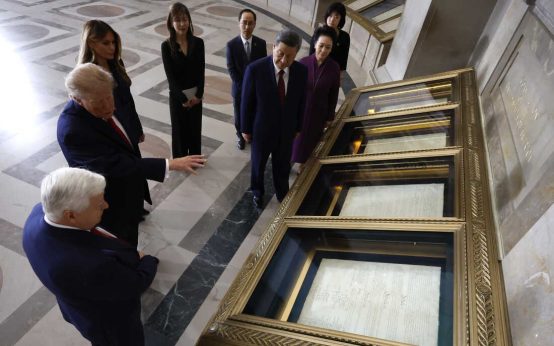 Sensitive Discussions During Trump’s National Archives Visit with Xi Jinping
 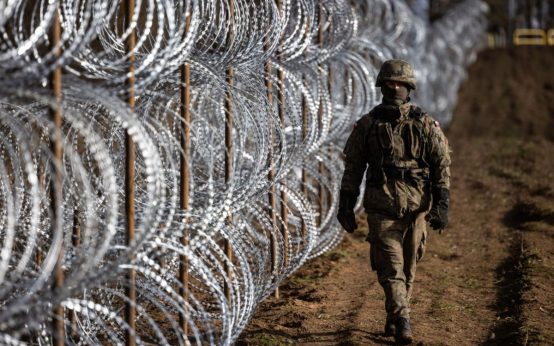 Escalating Tensions Between Russia and the UK
 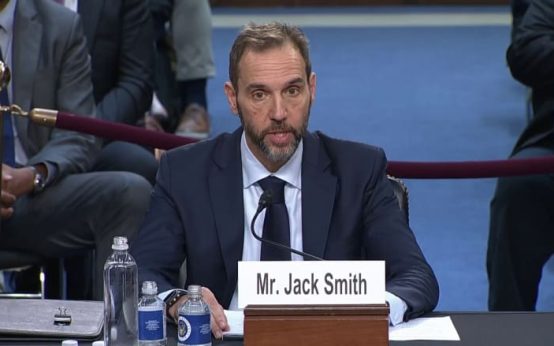 Key Events in Politics and Technology: U.S. and U.K. Developments
 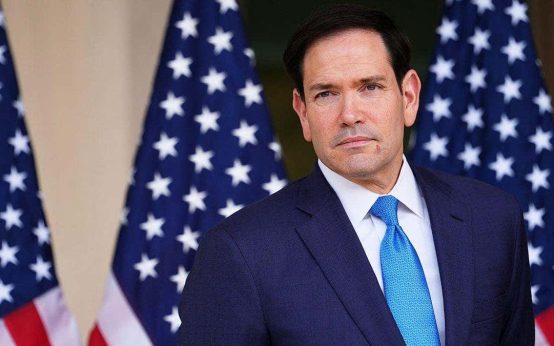 Secretary of State Rubio Comments on Recent UK Terror Threat
  New Developments in Ayotzinapa Case: 17 New Suspects Identified
  Concerns Arise Over Rodrigues-Birkett in Race for UN Secretary-General