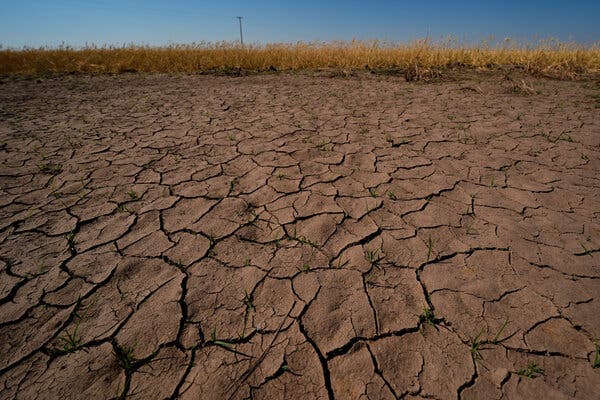
Meteorologists confirmed that an El Niño has formed in the tropical Pacific. It is expected to intensify, bringing more extreme weather and higher global temperatures.
El Niño occurs when trade winds shift and the Pacific Ocean warms. This natural phenomenon affects global weather, potentially increasing floods and droughts which are already worsening due to climate change.
The National Oceanic and Atmospheric Administration (NOAA) declared El Niño after equatorial Pacific temperatures remained 0.5 degrees Celsius above average for several months. NOAA predicts a 63 percent chance that sea-surface temperatures could rise 2 degrees Celsius above normal, marking a “very strong” event. Some forecasts indicate possible temperatures exceeding 3 degrees Celsius, which would be unprecedented.
Malte Stuecker, director of the International Pacific Research Center, stated, “In a warming world, that would be pretty catastrophic.” El Niño events often peak during the Northern Hemisphere’s winter, leading to higher global temperatures the following year. The past El Niño in 2023 and 2024 coincided with record-breaking heat.
Major El Niños can have severe economic consequences. They often bring wet weather to parts of the Americas and dry conditions to South and Southeast Asia, Australia, and southern Africa.
For the United States, El Niño may suppress the Atlantic hurricane season. Colorado State University adjusted its forecast, predicting the lowest hurricane activity levels since 2015. However, NOAA warned of increased risks of high tide flooding and algae blooms along the West Coast.
Global poorer countries face increased risks of food shocks and droughts, worsened by existing issues like fertilizer shortages due to the Strait of Hormuz’s closure and reduced humanitarian aid. Mohamed Adow from Power Shift emphasized how El Niño brings “failed rains, dying crops, rising food prices, and families pushed to the edge.” In East Africa, communities are particularly vulnerable, having already faced droughts and floods in recent years.
 The Discovery of Incendiamoeba cascadensis: A Fire Amoeba
  Archaeological Discovery in Germany: Largest Hoard of Roman Coins Found
  Cold Weather Alerts and El Niño Influence
 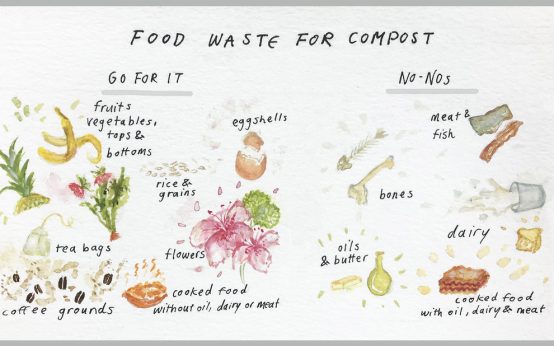 Turning Home Food Waste into Compost: A Guide
  Chicagohenge: When Sunlight Aligns with City Streets
  Fat Bear Week 2026: A Look at the Contest and Its Competitors