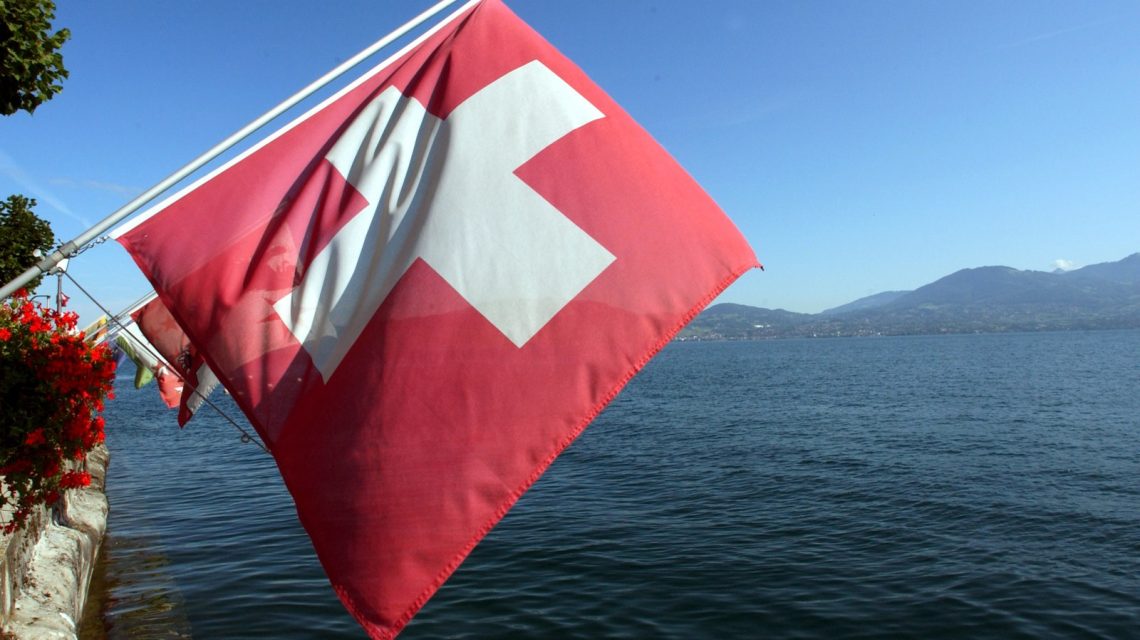
Switzerland faces a critical decision on Sunday, when citizens will vote on a proposal to cap the country’s population at 10 million. This referendum is a key moment in assessing public sentiment on immigration, national identity, and economic growth across Europe.
Background of the Proposal
The Swiss People’s Party (SVP), a right-wing political group, supports the proposal. They argue it will require the government to act if the population surpasses 10 million. Measures could include ending Switzerland’s agreement with the European Union (EU) on free movement of people.
Rapid Population Growth
Since the easing of cross-border work and living restrictions with the EU in 2002, Switzerland’s population has surged. From 7.3 million in 2002, it is expected to exceed 9 million by 2025, according to the Swiss Federal Statistics Office.
Support and Opposition
Proponents claim that rapid growth strains housing, transport, and public services. Critics argue that blaming migrants oversimplifies complex issues.
Switzerland, known for its wealth and high living standards, faces rising concerns over immigration and growth. Polls indicate a close result, potentially affecting debates on migration and sovereignty across Europe.
Origins of the Vote
The SVP has focused on immigration control in its political agenda. Under Switzerland’s direct democracy, over 100,000 signatures brought the initiative to a national vote, aiming to maintain the population below 10 million until 2050.
The SVP cites pressure on public services and cultural identity. Previous SVP campaigns included foreign criminal deportation and ending EU free movement through the 2020 Limitation Initiative.
Opponents, including the Swiss government, argue that a population cap would harm the economy, worsen labor shortages, and affect EU relations.
Immigration Facts in Switzerland
In 2025, 165,386 foreign nationals came to Switzerland, mainly for employment, and two-thirds were from the EU/EFTA, according to the Swiss State Secretariat for Migration. Asylum applications fell to 25,781, a decline from previous years.
Despite a decrease in net immigration, foreign nationals comprised 27% of Switzerland’s residents in 2024 compared to nearly 10% in the EU, according to Eurostat.
Critics of the cap cite Switzerland’s need for foreign labor and an aging population, with declining fertility rates to 1.3 in 2024 according to the World Bank.
The Debate on Swiss Identity
The SVP’s population cap initiative combines infrastructure concerns with cultural identity issues. They warn of a ‘loss of identity’ and cultural threats from ‘creeping Islamization’ and expatriates speaking only English.
Protecting our culture and identity is crucial to how we live together as a society.
Critics argue the proposal simplifies social and economic issues, attributing them to immigration. Political scientist Adrian Favero claims it portrays migrants as a ‘dangerous other.’
Polling reflects a divided public. Early polls showed a 47% tie for and against the measure. A later poll indicated 52% opposed, 45% in favor, and 3% undecided, with a margin of error of +/- 2.8 points.
Implications for Switzerland and the EU
The initiative requires Switzerland to act when the population nears 9.5 million, preventing it from exceeding 10 million. Failing measures could force renegotiations or the end of international agreements affecting population growth.
The most significant impact would be on EU relations. Ending the free movement deal could endanger other agreements tied to the EU single market. Switzerland’s Federal Council warns this could risk economic ties, affecting businesses and cross-border collaboration.
 Republicans Intensify Investment in Ohio’s Senate Race Amid Tight Competition
  Incident of Co-pilot’s Attack on FlyDubai Flight Raises Security Concerns
  Debate Challenges in Texas Senate Race
  Examination of FlyDubai Co-Pilot’s Employment Despite Security Alerts
  New York City Mayor Responds to UN Criticism by Israeli Prime Minister
  Minneapolis Council Member Criticized for Concerns Over Autonomous Vehicles