On Monday, Israelis expressed anger over a preliminary agreement between the U.S. and Iran, calling it detrimental to Israel. Prime Minister Benjamin Netanyahu positioned himself as the focal point of their frustration. During a news conference, Netanyahu emphasized his commitment to preventing Iran from acquiring nuclear weapons, a claim Tehran denies, asserting its nuclear program serves civilian purposes. He declared, “As long as I am the prime minister of Israel, it will not happen.” He highlighted that the deal was an American decision, not involving Israel directly, and noted he resisted Iran’s request for Israel’s withdrawal from Lebanon. Netanyahu stated, “Iran wanted us to withdraw from there, but that did not happen. Do you know why it didn’t happen, among other reasons? Because I stood very, very firm.”
Despite Netanyahu’s stance, other Israeli officials, political rivals, and commentators quickly criticized the deal, suggesting potential impacts on upcoming elections and emphasizing Netanyahu’s isolation domestically, regionally, and increasingly from the U.S. Critics argue that Netanyahu pushed for escalation with Iran, prompting President Donald Trump towards conflict, offering exaggerated promises at the expense of Israel’s readiness. They suggest the Prime Minister miscalculated Trump’s willingness for extended conflict, was outmaneuvered by Iran in negotiations, and became increasingly sidelined by regional players.
Former Prime Minister Ehud Barak, a Netanyahu rival, voiced criticism stating, “Israel is paying the price of Netanyahu’s hubris and blindness, and the price of the manipulations that he tried to pull on Trump… Iran emerged stronger; Israel emerged weaker. That is Netanyahu’s strategic responsibility. He failed.” Opposition leader Yair Lapid criticized the deal, labeling it a major failure in Israel’s foreign and security policy under Netanyahu. “It can be fixed, it must be fixed,” he wrote, adding that he believes Netanyahu is incapable of addressing the issues, promising change under his leadership.
The deal could potentially impact Israeli operations in Lebanon, where conflict began following Hezbollah’s attacks on Israeli towns. Iran demanded cessation of Israeli actions in Lebanon as part of negotiations, leaving Defense Minister Israel Katz to assure continued military presence in the country. As negotiations advanced, President Trump increasingly sought to end the U.S.-Iran conflict, expressing frustration over Israeli actions in Beirut, concerned they might disrupt the agreement. This placed Netanyahu in a challenging position — needing to scale down military efforts in Lebanon, which hold broad support among Israelis. Former U.S. Ambassador to Israel, Daniel Shapiro noted, “All Hezbollah has to do is get one rocket across into an Israeli town in northern Israel, and then the pressure on Netanyahu — which he’s already hearing from his own base and from the opposition… will ramp up.” Shapiro stressed the difficulty in resisting such pressure, noting Hezbollah’s increased influence.
Some of Netanyahu’s coalition have urged him to persist in the Lebanon campaign, desiring dismantling of Hezbollah regardless of impacts on the U.S.-Iran agreement. Israel’s national security minister, Itamar Ben-Gvir stated, “We must not compromise on anything less than the dismantling of Hezbollah.”
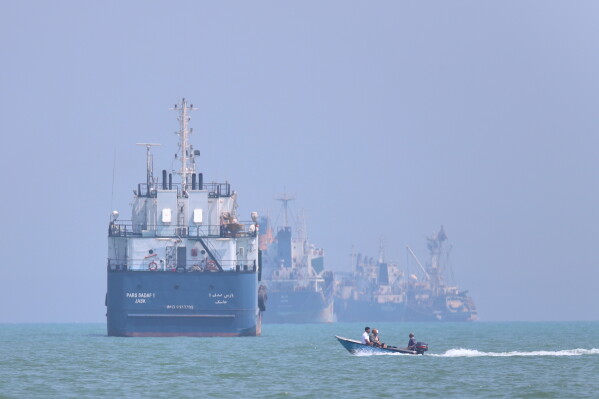
Uncertainty prevails in Lebanon due to the deal, and Netanyahu’s objectives in Iran remain unmet. Analysts suggest the war aimed at destroying Iranian nuclear ambitions, launched on February 28, has left Iran stronger despite an intensive aerial campaign. Tehran retains effective control over the Strait of Hormuz, affecting global trade and escalating global prices. Damage to Iran’s nuclear infrastructure and missile program seems unclear. Analyst Anna Barsky from Ma’ariv indicates Israeli concern over Iran potentially receiving substantial financial influx through lifted sanctions and released assets.
Yair Golan, a center-left party leader, criticized the agreement, stating it funnels billions into Iran, maintains nuclear infrastructure integrity, preserves ballistic threats, and supports the regime in Tehran. He expressed concern over potential ramifications for Israel.
 Toddler Causes Flight Cancellation Due to Seat Belt Issue
  Pentagon Urges Defense Industry to Increase Weapon Production
  Middle East Developments: Iran’s Stance on Strait of Hormuz and Regional Tensions
  Nigerian Forces Rescue Hundreds from Captivity in Major Operation
  Conservative Abelardo de la Espriella Sworn In as Colombia’s President
  Continued Russian Attacks on Kiev and Regional Impact