
The people of France are experiencing an intense heat wave, with temperatures rising to extraordinary levels across the country. As of Tuesday, millions woke up to uncomfortably high temperatures following another night of scorching heat.
The national weather service, Meteo France, has placed 54 departments under a red heat wave alert. This means that temperatures will remain exceptionally high throughout the day and night. The heat is influencing daily life, affecting schools, trains, and sporting events. Tragically, around 20 drowning deaths have been reported since the weekend.
Human-driven climate change is linked to the increase in extreme weather. Projections from the U.N. climate agency suggest that the upcoming years will likely break more heat records. Meteo France noted that sunshine continues to dominate, maintaining oppressive heat across much of the country.
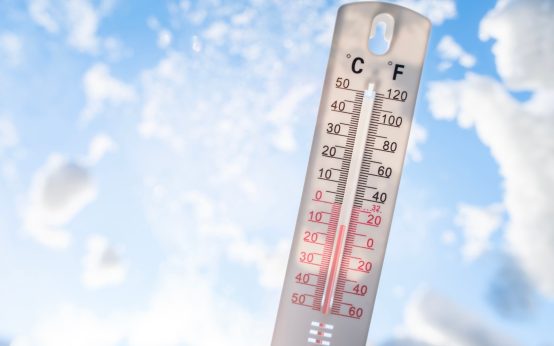
The heat wave, expected to last until the end of the week, is likely to see daytime highs above 40 degrees Celsius (104 degrees Fahrenheit) in several towns. A drugstore in Rennes showed a temperature of 43 degrees Celsius (109.4 degrees Fahrenheit) on Monday.
Further record-breaking temperatures are anticipated, with some cities potentially surpassing previous records from any time of year. Meteo France has likened this heat wave to the notorious August 2003 event, which resulted in roughly 15,000 deaths. Following that catastrophe, France implemented a heat watch warning system.
According to the European Union’s Copernicus Climate Change Service, Europe is experiencing rapid increases in temperature, warming at twice the global average since the 1980s. In the last four years, over 200,000 Europeans have died from heat-related causes, with most of these deaths being preventable, as stated by the World Health Organization.
High temperatures can lead to heat exhaustion and life-threatening heat strokes. The EU monitoring agency recorded 2024 as the hottest year on record, with Europe facing its second-highest number of “heat stress” days.
Scientists indicate that climate change is worsening the frequency and intensity of heat waves and droughts, especially in southeastern Europe. This makes the region more prone to health hazards and wildfires.
 Cold Weather Alerts and El Niño Influence
  Turning Home Food Waste into Compost: A Guide
  Chicagohenge: When Sunlight Aligns with City Streets
  Fat Bear Week 2026: A Look at the Contest and Its Competitors
  California Governor Declares Statewide Emergency Ahead of El Niño Storms
  EPA Rollbacks and the Impact on Indiana Communities