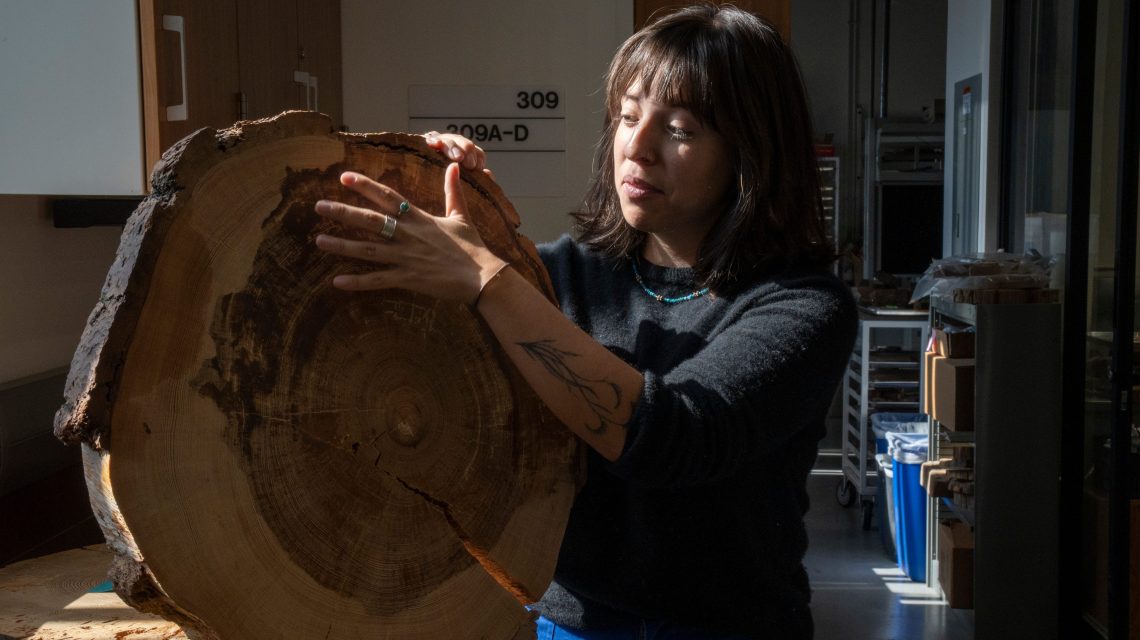
Tree cores from some of the oldest trees on earth have helped extend weather records of the past. As the hurricane season of 2026 unfolds, alongside the influence of a strong El Niño, trees worldwide continue to record valuable data. Tree rings hold vital clues to past climate events, revealing not only a tree’s age but also its survival through storms, droughts, and wildfires. In regions like Alaska and Arizona, researchers add to a growing database documenting these natural phenomena, offering insights into both historical and future climates.
The process involves extracting narrow tree cores, comparable in size to a pencil, from ancient trees. These samples extend weather records far beyond what modern satellite imagery can capture. Scientists analyze the width, density, and spacing of tree rings to document floods, droughts, and hurricane occurrences. Nicole Davi, a tree scientist, expresses amazement at living trees that have stood since 1776, referring to them as ‘witness trees’ that embody stories of the past.
Finding the Right Trees
Valerie Trouet enjoys exploring remote, mountainous areas to find ancient trees. As a professor at the University of Arizona’s Laboratory of Tree-Ring Research, she appreciates the beauty and history these trees represent. Her book, “Tree Story,” delves into the fascinating stories these trees can tell. Discovering the right trees often means venturing into challenging terrains in search of the oldest specimens, which hold centuries’ worth of information.
Regional research depends on specific climatic questions. For drought studies, researchers target drier areas like the U.S. Southwest, where tree growth is water-dependent. In Tucson, for instance, trees thrive in years rich with rain but produce minimal growth in dry periods, reflected in their narrow rings.
Microscopic examination of tree cores can reveal historic volcanic eruptions. Reduced growth from sunlight obstruction and cooling can indicate volcanic impacts, as seen from Mongolia to Alaska. Trees in boreal forests, which grow slower, offer researchers insight into climate trends over extended periods.
Building Historical Records
Expanding historical data by using tree ring studies aids researchers in understanding phenomena like El Niño. Valerie Trouet highlights the scarcity of El Niños documented in the satellite era; thus, comparing tree cores across various climates enriches data analysis, enhancing our grasp of their frequency and interactions.
Tree rings also record the effects of hurricanes, both past and recent. For example, they provide insights into Hurricane Harvey’s impact on Texas, revealing how intense flooding affected local tree growth. Evidence shows that trees endure growth stagnation following hurricanes, marked by lost leaves and limbs visible in their rings.
Nicole Davi discovered hurricane evidence in ancient New York and New Jersey coastal trees, describing them as ‘stunted and gnarly,’ yet still crucial for understanding hurricane frequency.
Cross-referencing tree data has helped researchers comprehend wildfire patterns, differentiating between El Niño and La Niña’s specific regional wildfire impacts. Tree rings provide historical insights into the extent and prevalence of wildfires.
Despite the adversity they face, trees continue recording events, revealing resilience to traumatic weather conditions. Nicole Davi finds it scientifically exciting to consider what more these trees can disclose about events influencing our history.
Dinah Voyles Pulver, a USA TODAY national correspondent specializing in topics like climate change, weather, and the environment, covered this report. She is reachable via email at [email protected] or on platforms Bluesky, X, and Signal.
 The Discovery of Incendiamoeba cascadensis: A Fire Amoeba
 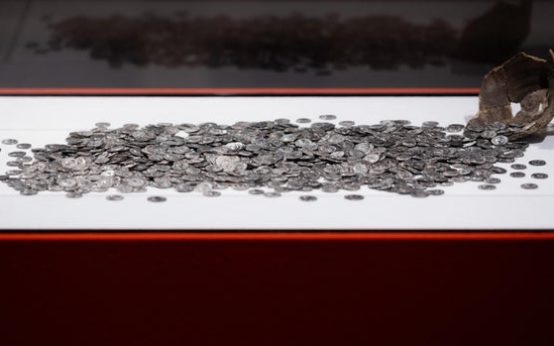 Archaeological Discovery in Germany: Largest Hoard of Roman Coins Found
  Hurricane Formation and Strengthening
 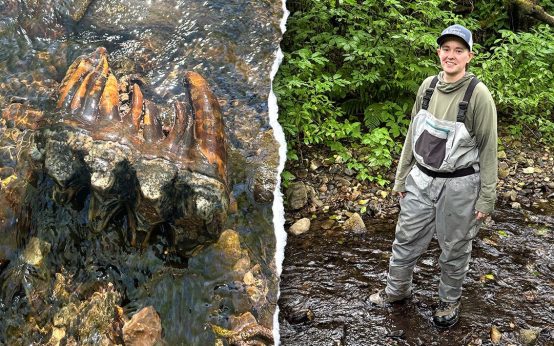 Ancient Mastodon Tooth Unearthed in California Creek
 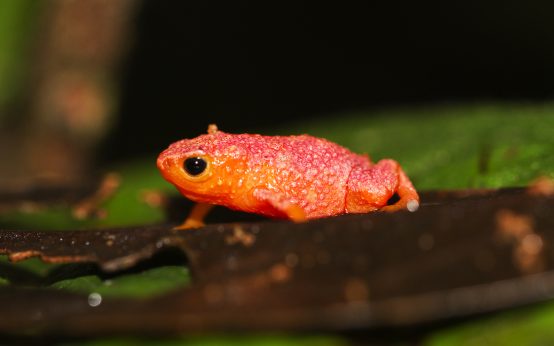 The Tiny World of the Pumpkin Toadlet
  Chimps and Self-Medication: Insights from Gombe Stream