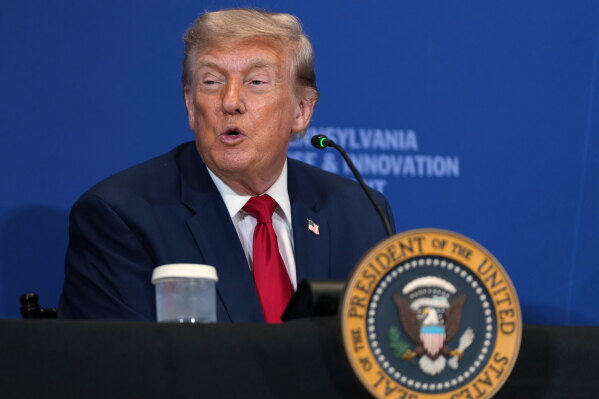
President Donald Trump removed the newly appointed U.S. prosecutor in Seattle, Roger Rogoff, shortly after his unanimous appointment by the district’s federal judges. This highlights growing friction between the judiciary and the administration regarding key appointments.
Rogoff, a former judge and experienced prosecutor at both the state and federal levels, took his oath as the U.S. attorney at the U.S. courthouse in Seattle early Wednesday. Shortly after, while waiting to meet with Charles Neil Floyd, whose interim term had ended, he received an email from the Trump administration stating his termination. Rogoff is exploring legal action concerning his dismissal.
Traditionally, U.S. attorneys are appointed by presidents and require Senate confirmation. However, Trump’s administration has left many of these prosecutors in interim statuses through unconventional means. Acting U.S. Attorney General Todd Blanche noted on social media that district judges can appoint temporary U.S. attorneys, but the president retains the power to dismiss them. He criticized the judges for bypassing traditional consultations with the administration when they appointed Rogoff.
Trump had initially appointed Floyd as an interim U.S. attorney without forwarding his nomination to the Senate. When Floyd’s interim period ended, the administration re-designated him without filling the top post. This method drew skepticism from a U.S. appeals court. Consequently, Seattle’s federal judges called for applications, forming a bipartisan panel to evaluate candidates. The full court, comprising judges appointed by multiple past presidents, unanimously selected Rogoff for the position.
Democratic Senator Patty Murray from Washington criticized the administration for quick firing Rogoff. She stated in a written comment that Rogoff was committed to public service and was legally appointed by the judges in the Western District of Washington. Murray accused the administration of bypassing due process to favor its allies.
This isn’t the first instance of conflict over U.S. attorney appointments. In December, Alina Habba resigned in New Jersey after her appointment was deemed unlawful. Lindsey Halligan, another acting U.S. attorney, left her post in Virginia for similar reasons. Dismissal of judicially appointed prosecutors has taken place in other districts as well.
Rogoff, reflecting on his career, expressed no regrets despite knowing the administration might fire him. He described being a U.S. attorney as the best position for a prosecutor, feeling honored by the judges’ confidence in his appointment.
 Republican Senator Criticizes Trump’s $5,000 Check Proposal
  Trump’s Approach to Iran at the United Nations
  Trump’s Triumphal Arch Controversy
 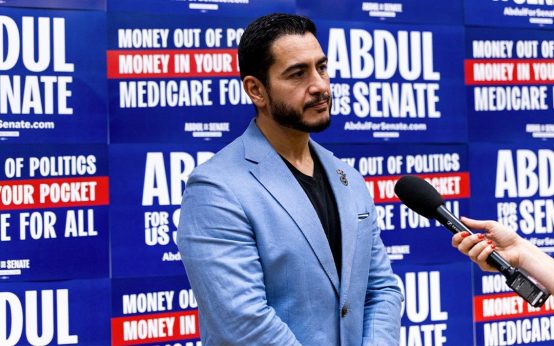 Concerns Over Abdul El-Sayed’s Potential Senate Role and National Security
 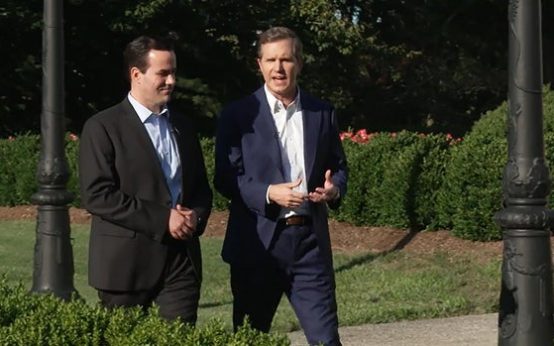 Kentucky Governor Andy Beshear Discusses Tariffs, Faith, and Political Ambitions
 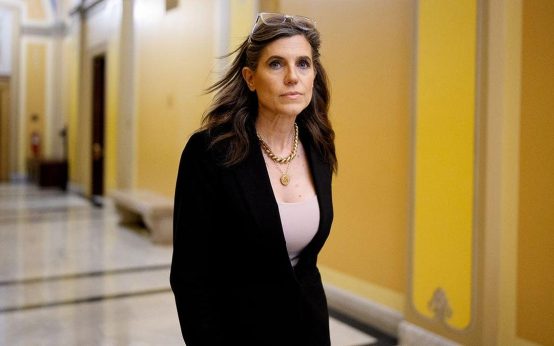 Sunday Highlights: Lane Kiffin, Nancy Mace, and College Football Drama