
Climate opinion within political parties often defies straightforward labels. A young Republican’s support for solar power, while opposing a carbon tax, demonstrates this complexity. Similarly, Democrats may agree on the reality of climate change, yet disagree on policies that impose higher charges on households exceeding energy limits.
Political ideologies influence perspectives on environmental solutions. Republicans typically favor market-driven approaches, recognizing the potential for renewable energy, such as solar, to generate economic growth. They resist regulations perceived to increase governmental intervention or taxation.
Democrats prioritize environmental protection, endorsing stricter measures to curb emissions. While agreeing with scientific consensus on climate change, they may diverge on the specifics of policies that impact consumer costs.
Climate-related policies are nuanced. Debate within parties reflects diverse values and priorities. Energy policies need to address both economic and environmental concerns to achieve bipartisan support. Understanding the complexities of these opinions highlights the intersection between political beliefs and environmental policy.
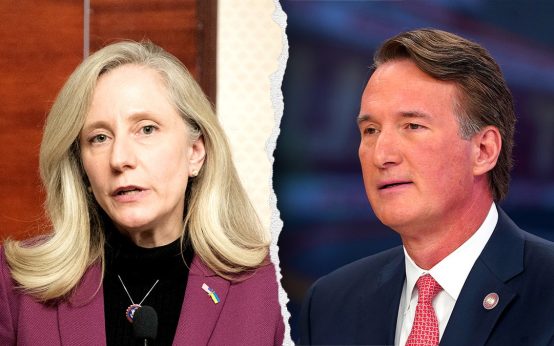 Virginia Gov. Abigail Spanberger Ends Division of School Sports by Sex
  California Families, Political Donations, and Alleged Foreign Influence: A Closer Look
  El-Sayed Secures Democratic Senate Nomination Amid Financial Controversy
  Tropical Storm Polo Threatens to Impact Southern California
 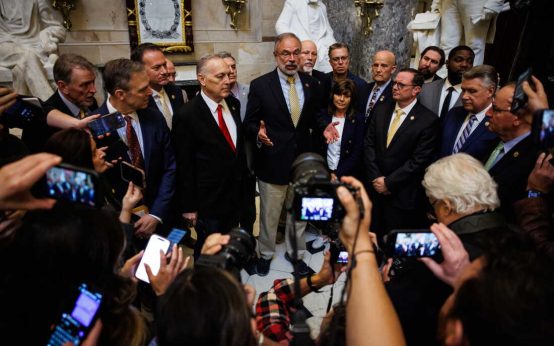 House Freedom Caucus Faces Transition as Key Members Depart
  FBI Investigation Into Alleged Pay-to-Play Scheme Involving Sen. Susan Collins