
As summer progresses, beanstalks stretch skyward, tomatoes swell, and zucchinis grow at an impressive rate. Successfully timing their harvest requires careful decision-making. Balancing flavor and yield can be challenging for any gardener. Occasionally, you must prioritize one over the other or intervene early to protect your crop.
Tomato Harvesting Tips
Tomatoes reach optimal ripeness when their mature colors, ranging from red and yellow to orange and purple, are even. However, waiting too long can result in split tomatoes or loss to wildlife. Harvest tomatoes a few days early and allow them to continue ripening upside-down on a kitchen counter. If at least half the tomato begins to change color, it will ripen effectively indoors.
Picking Six Other Vegetables
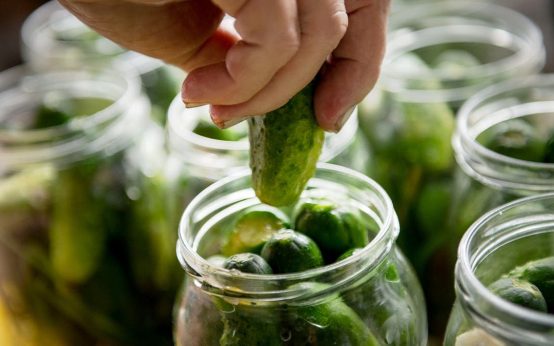
Cucumbers: These should be green, firm, and glossy. Harvest standard types when 6 to 8 inches long; pickling varieties should be 2 to 4 inches. Check daily, as they mature rapidly. Waiting too long results in yellow, bitter cucumbers.
Green Beans: Pods should be plump yet firm enough to snap. Harvest daily, as regular picking encourages more growth. If mature beans remain on the plant, production slows significantly.
Zucchini: Regularly monitor growth, as they develop fast. Pick zucchinis when they reach 6-8 inches and their skin can be pierced easily with a fingernail. This size ensures sweetness. Larger zucchinis become tough and seedy.
Eggplants: These stop expanding at peak ripeness and maintain shiny skin. Harvest promptly to avoid dull, discolored fruit with poor texture.
Corn: Ready corn will show brown silks and firm, green husks. Check readiness by peeling back the husk slightly and piercing a kernel; milky juice indicates ripeness, while watery or absent liquid suggests more time is needed or that corn is past its prime.
Peppers: Harvest peppers when green or allow them to reach red, yellow, or orange hues for added sweetness or heat. They remain edible at any stage of maturity.
Best Practices for Vegetable Harvest
Harvest in the morning, post-dew, for peak moisture, sugar content, and texture. For thin vines or stems, such as tomatoes and beans, twist fruit while supporting the main branch. Use clean, sharp tools to cut fruit from thicker-stemmed plants like eggplants.
Jessica Damiano writes regular gardening columns for The Associated Press and publishes the Weekly Dirt Newsletter. Sign up for weekly gardening tips and advice. For additional AP gardening stories, visit AP Gardening.
 The Rise of Pickle-Flavored Snacks in America
  Unexpected Surprise for Photographer with Amazon Purchase
  The Evolution and Challenges of Friendly’s Restaurant Chain
  Addressing Concerns over Parental Guidance
  Trace Gallagher’s Insights on Parenting in a Modern World
  Historic Los Angeles Building Transformed into Boutique Hotel