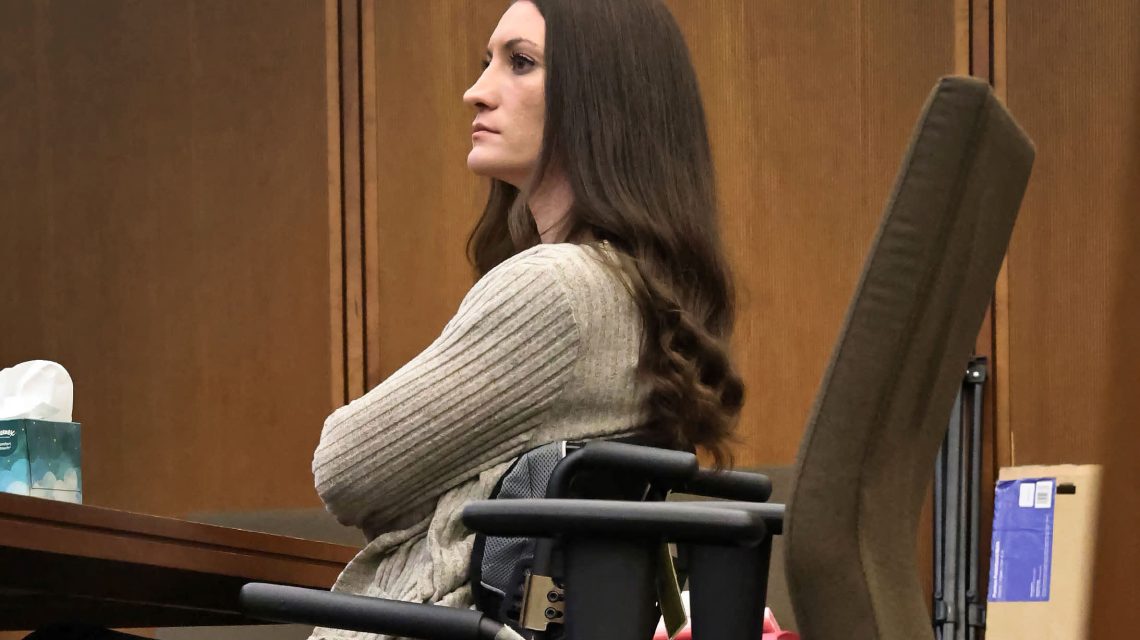
The trial of Lindsay Clancy, accused of murdering her three children, is drawing to a close. The presentation of evidence is expected to end today. In January 2023, Clancy allegedly killed her children Cora, 5, Dawson, 3, and Callan, 8 months, at their home.
Mental Health at the Forefront
Clancy’s mental state is central to her defense. Prosecutors argue she intentionally killed her children. Her defense claims she was under the influence of postpartum psychosis, impairing her ability to comprehend her actions.
The prosecution’s final witnesses cast doubt on her purported psychosis and claims of auditory hallucinations urging her to kill.
Her defense highlighted testimonials from those who knew Clancy, depicting her as a devoted mother. The case has captivated audiences both in Massachusetts and beyond, sparking discussions on maternal healthcare gaps.
Closing arguments are likely to start tomorrow, according to the presiding judge.
Defense and Cross-Examinations
The defense concluded its cross-examination of Gregory Saathoff, a forensic psychiatrist. Attorney Kevin Reddington read opening remarks from the prosecution accusing Clancy of seeking easy solutions and shirking treatments. Saathoff disagreed, suggesting the statement downplayed her struggles.
Reddington questioned Saathoff about unsubstantiated claims regarding Clancy crushing pills in a suicide attempt. Saathoff testified there was no evidence of pill residue or a crusher tool found during the investigation. The defense highlighted this to undermine the accusations.
Courtroom Dynamics and Testimony
The jury’s attention was evident during pivotal testimony. They took notes when Saathoff stated Clancy was aware of her actions. Despite the severity of the case, moments like a spectator entering with a dog briefly distracted the courtroom.
Saathoff’s expertise was questioned by the defense. His past involvement with postpartum psychosis cases and lack of published work on auditory hallucinations were scrutinized. Reddington emphasized Saathoff’s affiliations with government agencies to suggest potential bias.
The psychiatric evaluation underscored Clancy’s mental state. Saathoff maintained she knew right from wrong, citing her actions and decisions at the crime scene.
Impact and Broader Concerns
Observers like Nichelle Milford Cook have attended the trial, highlighting gaps in Clancy’s mental healthcare. Cook emphasized the need for improved postpartum support to prevent similar tragedies.
The trial raises broader questions about criminal responsibility and mental health. How the jury interprets these issues could impact other cases nationwide.
 Federal Crackdown on Alleged Voter Fraud Sparks Debate
  Federal Judge Ana C. Reyes Engages in Tense Dispute Over Golf Course Plan
  California Outrage Over Release of Convicted Rapist
  Controversy in Madison Brooks Case Over Pink Attire
  Illegal Immigrants in NYPD Detective Stabbing Case to Face Arraignment
  Canadian Tourist Convicted of Animal Cruelty After Flamingo Incident in Las Vegas