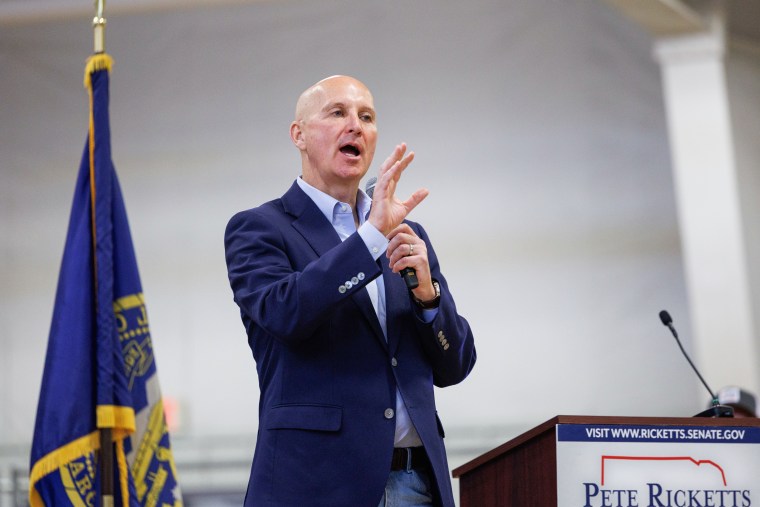
Debate Focus: Nebraska Senate Race
Senator Pete Ricketts, Republican from Nebraska, challenged his independent opponent Dan Osborn in a heated debate. He repeatedly labeled Osborn as “Democrat Dan,” aiming to link him with democratic socialists. This debate is significant as it signals the start of many across the country in the two-month lead-up to Election Day, where Democrats and Republicans vie for control of the Senate.
Nebraska does not often host campaigns of national interest. However, this contest between Ricketts and Osborn could yield closer results than usual in this traditionally red state. The debate happened at the Nebraska State Fair and marks the only planned face-off between the two before the election. Both candidates have different strategies, but Osborn aims for independence, distancing himself from both major political parties.
Candidates’ Strategies and Campaign Backing
Osborn, who previously lost a Senate race by less than seven points, claimed no allegiance to either party in the debate. He emphasized his intent to work for Nebraska, pledging to collaborate with Republicans to deliver results. His stance reflects his effort to appeal to broad voter demographics, noting the importance of Nebraska over party politics.
Democrat Cindy Burbank withdrew from the race earlier, leaving Osborn to receive endorsements from key Democratic figures. Ricketts sharply distinguished himself from Osborn, questioning his support for policies like “Medicare for all” and contrasting with Osborn’s stance on Trump’s tax cuts and legislative actions.
Osborn argued against hypothetical support for Trump’s legislative moves, suggesting his independent leverage could benefit Nebraska if elected.
Campaign Financing and Debate Topics
Financial support and advertising played critical roles in the debate discussions. Ricketts accused Osborn of funding his campaign through contributions from liberal regions outside Nebraska, naming leading Democrats like Senator Elizabeth Warren as financiers.
Osborn admitted to receiving support from anonymous donors backing outside groups. He highlighted the problem of “dark money” in politics, explaining the disconnection between his personal endorsements and external advertisement campaigns.
The debate divided into three major topic segments: tariffs and living costs, U.S. Immigration and Customs Enforcement, and campaign finance alongside artificial intelligence impacts. Each segment allowed candidates to express their positions, underscoring the diversity of challenges facing Nebraska and the nation.
 Massachusetts Democratic Primaries Reveal Generational Divide in Party
 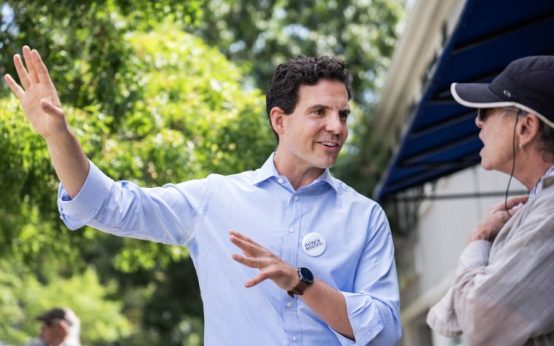 Stephen Lynch and Richard Neal Secure Renomination in Massachusetts Primaries
 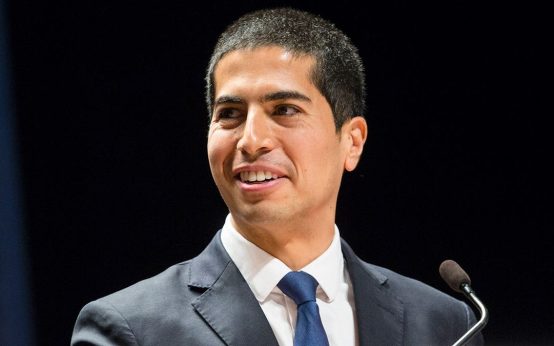 Dan Koh Wins Massachusetts Primary, Sets Path to House of Representatives
 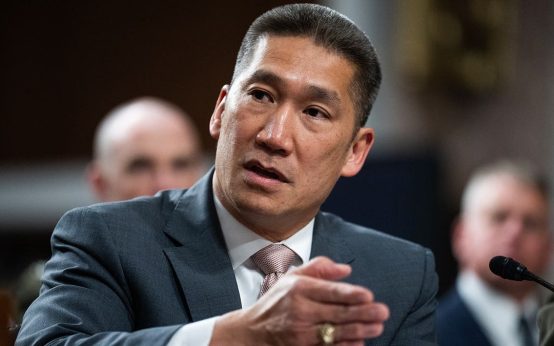 Trump Nominates Hung Cao as Navy Secretary
 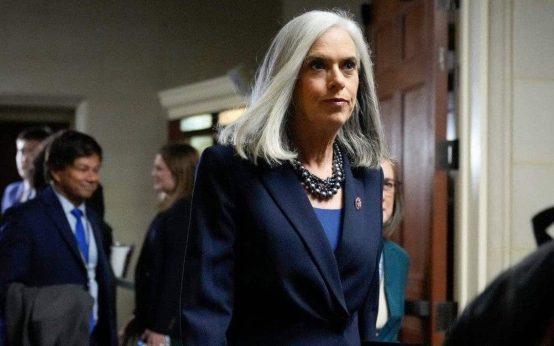 Katherine Clark Wins Massachusetts Primary Against Progressive Challengers
  Representative Chuck Edwards Apologizes Amid Censure Vote