
Careful Remarks About Mao
China’s Communist Party discourages public mentions of Chairman Mao unless spoken with caution. French soccer star Kylian Mbappé and his Real Madrid team learned this the hard way, resulting in apologetic statements meant to pacify Chinese sentiments. Mbappé unknowingly offended by referencing Mao in a meme, sparking a costly backlash.
Impact on Mbappé and Real Madrid
Mbappé’s comment led to canceled brand deals with three Chinese firms, and Real Madrid’s matches faced broadcast suspensions. Reports indicated that Mbappé risked losing over $100 million in potential earnings due to these disruptions. Real Madrid saw their lucrative Chinese merchandise market affected, emphasizing the financial stakes.
The Stakes for La Liga
La Liga’s income, heavily reliant on international markets like China, faced significant threats. A large portion of its media rights revenue stems from such markets. This financial risk explains the rapid apologies from Mbappé and related parties, aiming to stabilize threatened economic interests.
Historical Sensitivities
Mao’s complex legacy in China influences the current political landscape. Despite acknowledging Mao’s controversial policies from a historical standpoint, public debate about Mao or similar figures remains sensitive. The government’s reaction mirrors concerns over maintaining control over historical public perception.
Learning from Past Incidents
Mbappé joins a list of Western celebrities who have navigated China’s political sensitivities. Instances involving John Cena with Taiwan and Marriott’s questionnaire controversy mirror a pattern. The influence of China’s economic power has prompted many Western entities to tread carefully.
The Public Reaction
Despite censorship efforts, curiosity about Mbappé’s comments persisted among Chinese users. VPNs enabled users to access foreign social media to comprehend the situation. Incomplete official narratives led to widespread curiosity and engagement with external perspectives.
Interpreting China’s Strategy
Critics suggest China’s leaders missed opportunities to counter Western narratives on Mao’s legacy. However, China’s preferred strategy involves limiting external commentary on their historical figures. The country’s focus is on controlling narratives within its borders. Despite appearing defensive, China’s actions illustrate its influence over global brands, reinforcing its dominance.
 The Untold Consequences of America’s Geopolitical Decline
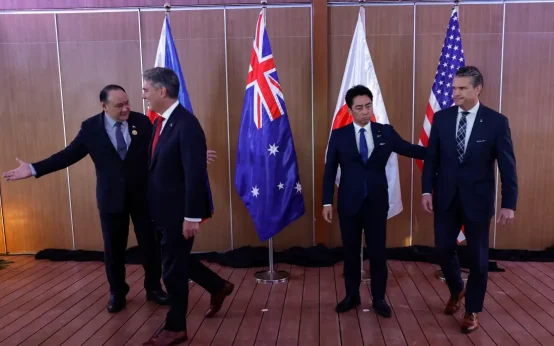 Defense Leaders Discuss Security Concerns in Asia
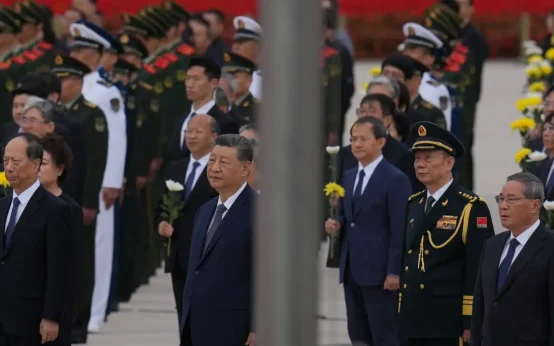 China’s Leadership Elevates Key Military Figure, Adopts Anti-Corruption Measures
 U.S. Blocks Shipments from Chinese Biotech Firm BGI Group over Forced Labor Concerns
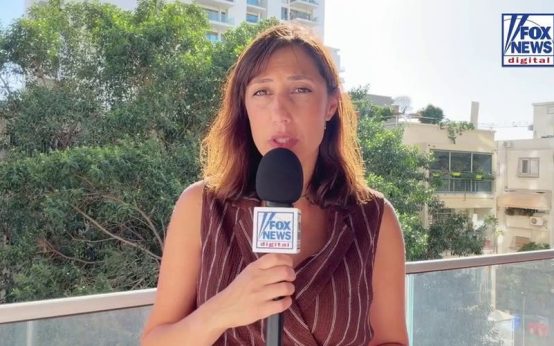 Israel’s Political Landscape: Challenges Ahead
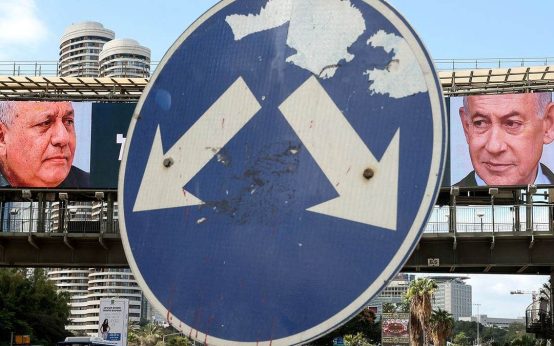 Israeli Election Results Show Rise in Arab Voter Influence