A Scholar’s New Findings
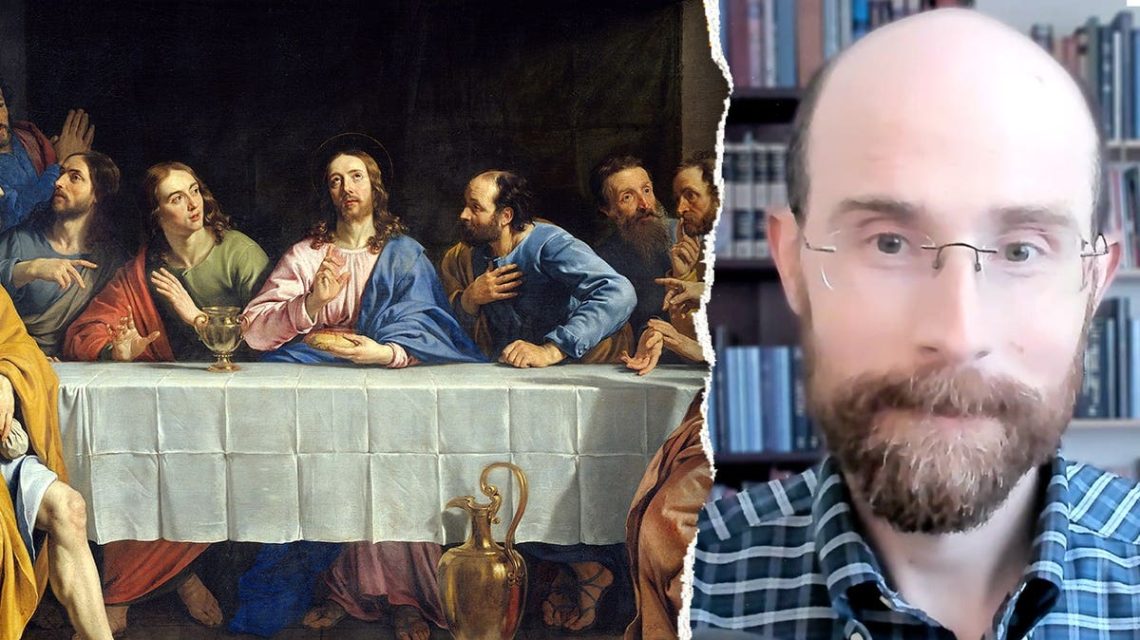
A religious scholar has put forward a new perspective on a nearly 2,000-year-old account of Jesus, suggesting it may be more historically accurate than previously assumed. Challenges have been raised against longstanding doubts about one of the earliest non-Christian accounts of Jesus’ life.
T.C. Schmidt, an associate professor of religious studies at Fairfield University in Connecticut, published a book in 2025 titled Josephus and Jesus: New Evidence for the One Called Christ. He re-examines a disputed passage written by ancient Jewish historian Josephus.
Josephus’ Historical Context
Josephus lived between 37 and 100 A.D. and documented Jesus’ life in his work Antiquities of the Jews, contributing one of the few remaining non-Christian narratives describing Jesus.
The passage portrays Jesus as a wise man with followers who was crucified under Pontius Pilate. Reports within the text claim Jesus appeared alive following his death.
For many years, scholars questioned whether Christian scribes modified this passage, which includes statements that could seem unusual coming from a non-Christian Jewish writer.
Schmidt’s Analysis
Schmidt argues for the authenticity of the passage, based on linguistic analysis and comparisons with Josephus’ other texts. He explored ancient versions in Greek, Latin, Syriac, Arabic, and Armenian.
Schmidt used textual comparisons and computer-assisted stylistic analysis. He asserts that the contentious passage aligns with Josephus’ writing style.
Language and Interpretation
Schmidt identified consistent similarities throughout the passage. He stated, “I show that every single phrase in the passage can be indexed back to Josephus. It all sounds like something Josephus would say.”
He believes certain descriptions of Jesus have been misunderstood, making the passage seem more favorable to Christianity than intended.
Josephus’ account mentions Jesus performing supernatural deeds. Schmidt clarifies this doesn’t necessarily indicate Josephus believed those powers were divine.
“This actually sounds like something a non-Christian Jew would have said,” Schmidt remarked. “We have other accounts of later Jews saying similar things about Jesus.”
Historical Implications and Reception
By combining linguistic style with historical claims, Schmidt concludes the passage reflects Josephus’ perspective and supports its authenticity.
Schmidt’s analysis could bolster historical evidence of Jesus’ life. Josephus’ account supports details from the Gospels, like Jesus’ disciples, his reputation for miracles, and his crucifixion under Pontius Pilate.
Regarding Jesus’ resurrection, the passage provides historical insight into the beliefs of his first followers. Josephus confirms early Christians, including Jesus’ disciples, believed Jesus resurrected on the third day.
Schmidt acknowledged the ongoing scholarly debate over potential alterations introduced by Christian scribes.
Future Research and Academic Dialogue
Schmidt has identified possible connections between Josephus and individuals linked to Jesus’ crucifixion, aiming to research further.
He encourages readers to explore historical sources independently, as his findings led him to question previously held beliefs.
“I was taught my whole scholarly life that this paragraph by Josephus was not authentic. And I believed that,” Schmidt recalled.
His comprehensive study prompts reconsideration of the passage’s authenticity within the academic community.
 Cannabis and Sleep: Surprising Research Findings
 Manx Shearwaters and Their Navigational Challenges
 Importance of Addressing Pollution in Virginia’s Waterways
 Setback in the Search for Amelia Earhart’s Missing Plane
 Researchers Redefine Early Human Migration Timeline in North America
 Japan’s Mission to Explore Mars’ Moons