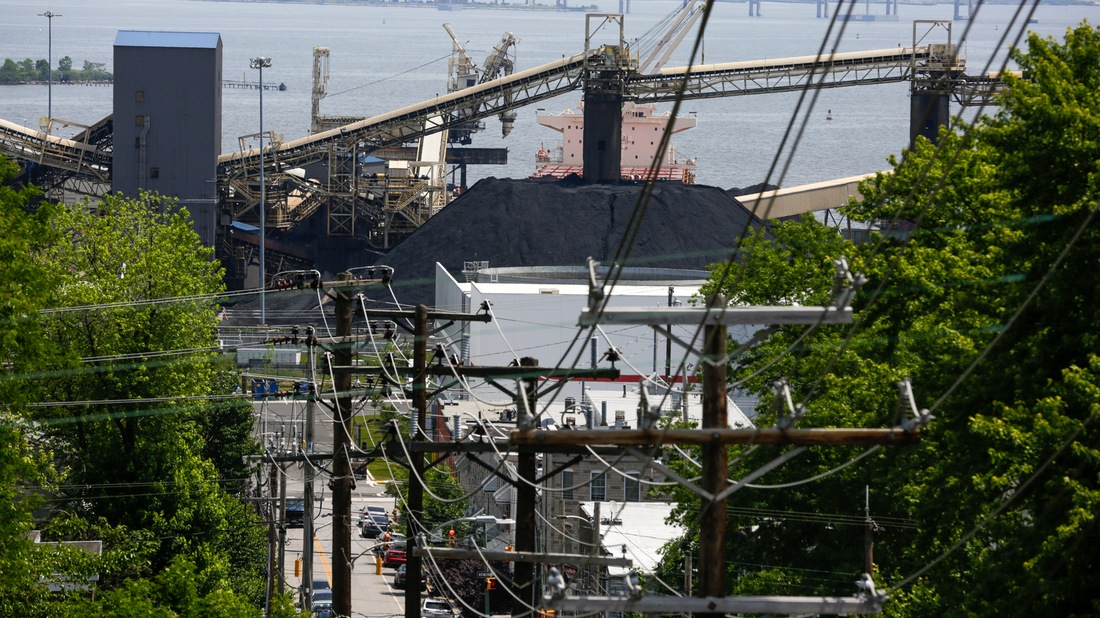
Residents of Curtis Bay, Maryland have long been advocates for cleaner air. A new satellite aims to significantly enhance the collection of air pollution data, potentially paving the way for improvements in air quality for heavily affected neighborhoods.
Across various parts of the U.S., many communities endure poor air quality. This problem is especially prevalent in areas inhabited by working-class individuals and communities of color. Although residents in these areas are aware of the air pollution, they often lack the necessary data to effectively address it.
NPR climate reporters Rebecca Hersher and Seyma Bayram discussed with Short Wave host Emily Kwong the potential impact of a satellite named TEMPO (Tropospheric Emissions: Monitoring Pollution). This satellite could provide crucial data, supporting communities in their ongoing battle for better air quality.
TEMPO is a collaborative effort by NASA and the National Oceanic and Atmospheric Administration (NOAA). It will track pollutants such as ozone, nitrogen dioxide, and sulfur dioxide across the U.S., updating hourly every day. The collected data aims to improve the accuracy and timeliness of local air quality information.
For science inquiries, you can reach out to us at [email protected]. We welcome your questions and feedback! Tune in to Short Wave on Spotify, Apple Podcasts, and Google Podcasts.
This episode’s production team included Berly McCoy, with editorial guidance from managing producer Rebecca Ramirez. Fact-checking was conducted by Rebecca Hersher and Seyma Bayram, and Patrick Murray served as the audio engineer.
 Beijing’s Tactical Undermining of U.S. Supremacy Through AI
 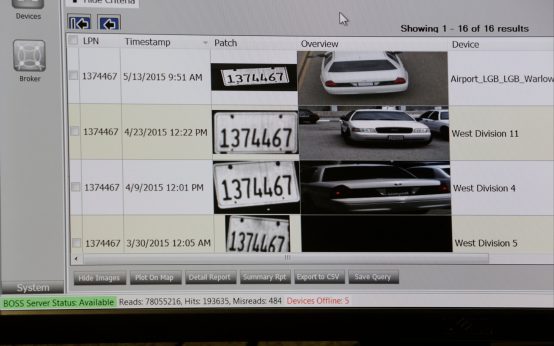 Controversy Surrounds Automated License Plate Readers Across the U.S.
  Trump and Harp Sued Over Truth Social Subscriber Program
  Implications of AI in College Admissions
  Cold Weather Alerts and El Niño Influence
  Turning Home Food Waste into Compost: A Guide