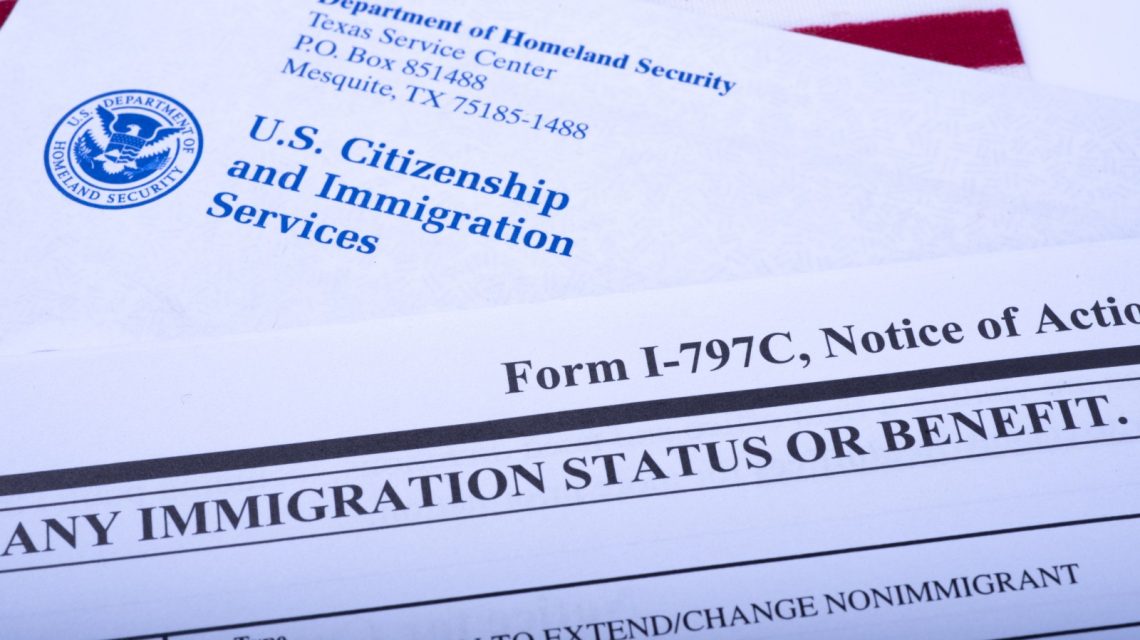
U.S. immigration authorities recently clarified a policy initially outlined by the Trump administration that might prevent many H‑1B visa holders from needing to exit the country for green card applications. This clarification comes in response to a wide-ranging policy memo issued that narrows the conditions under which foreign nationals in the United States can transition to permanent residency without leaving the country.
A Shift in the Green Card Pathway
The revised approach alters how temporary nonimmigrant status holders transition to permanent residency. For decades, domestic status adjustment was a standard procedure. Under new guidance, USCIS argues that Congress did not intend for temporary visitors, such as students and H-1B professionals, to automatically use their temporary stay as a first step toward a green card.
The agency is setting consular processing abroad as the new default. Domestic adjustments are reserved for exceptional cases. Zach Kahler, a USCIS spokesman, noted in a press release that nonimmigrants would now need to return to their home countries to complete the process, barring extraordinary circumstances. He emphasized their goal to ensure aliens follow the nation’s immigration system appropriately.
Economic Implications and Operational Uncertainty
Whether applicants must depart the U.S. or can adjust their status domestically might depend on their role’s perceived economic benefit or national interest. This is crucial for H-1B visa holders, integral to U.S. industries such as technology and healthcare.
The policy shift could have profound ramifications. Many applicants hail from countries with severe visa backlogs, paused services, or travel restrictions, risking prolonged separations or operational disruptions if required to apply abroad. Experts caution that the lack of a clear implementation timeline creates uncertainty for both individuals and employers.
Understanding the H‑1B Visa
The H-1B visa is a nonimmigrant, employment-based visa allowing U.S. companies to employ foreign workers for up to three years, extendable to six. Under USCIS data, the visa is capped at 85,000 new annual slots, with 20,000 reserved for individuals with U.S. master’s degrees. High demand mandates a lottery system each spring.
Eligibility requires the job to necessitate a degree in a specific field, held by the applicant or matched by equivalent qualifications. Employers must offer roles that meet specialty-occupation standards and pay prevailing wages, securing Labor Department approval before filing petitions with USCIS.
What Happens Next
Previously, temporary visa holders like students and H-1B workers commonly sought status adjustments domestically. This maintained family unity and minimized job disruption. Now, these pathways are considered exceptional, with most expected to apply abroad, changing the long-held U.S. immigration processes.
 Members of Trump’s Family Could Be Deposed in $10 Billion Lawsuit Against BBC
  Carville Responds to Progressive Criticisms Amid Democratic Party Tensions
  Republican Candidates Present Their Platforms in South Carolina Senate Race
 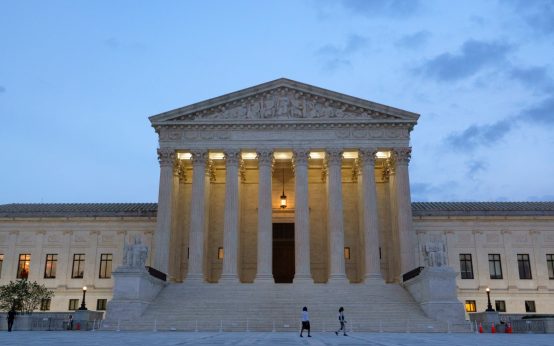 Conservative Movement’s Focus on Shaping Future Court Views on Birthright Citizenship
 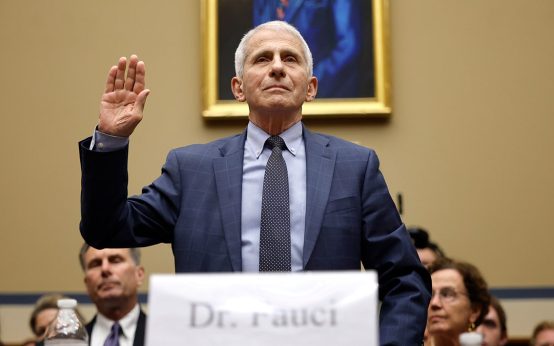 Contempt of Congress: The Case of Dr. Anthony Fauci
 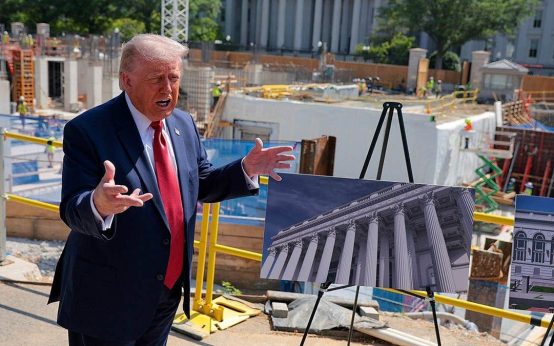 Trump’s Battle Over White House Ballroom: Legal Experts Weigh In