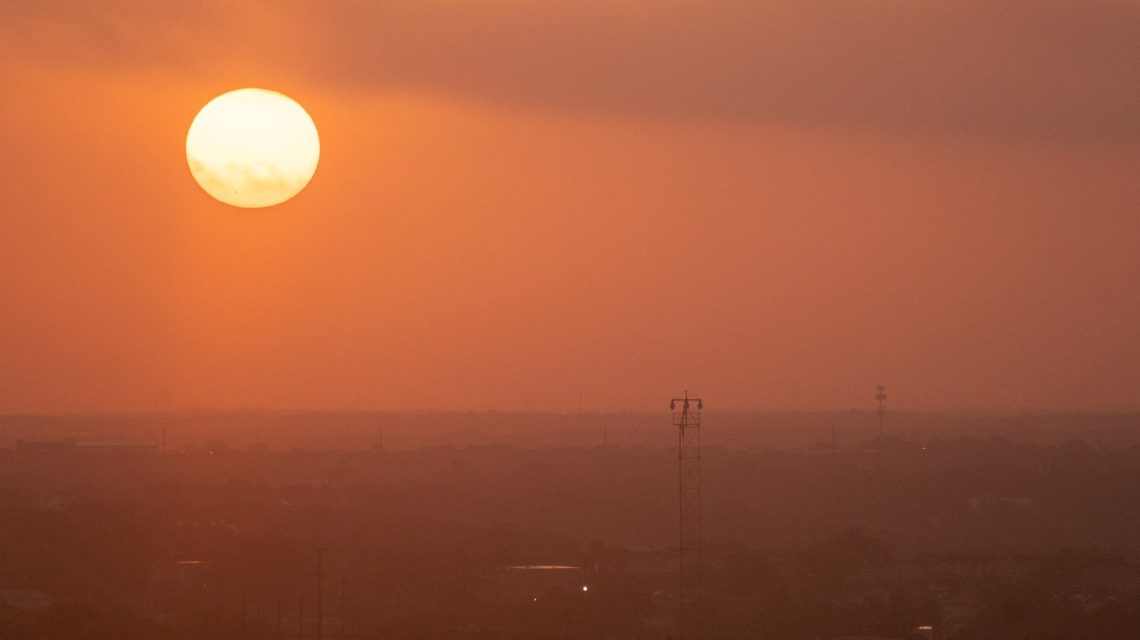
An intense heat advisory has been issued for eastern Montana, as temperatures are set to soar into the triple digits early in the week. The National Weather Service (NWS) in Glasgow forecasts temperatures reaching up to 102 degrees Fahrenheit on Tuesday, from noon to 9 p.m. MDT. This advisory covers a wide area, including Daniels, Dawson, Phillips, Valley, Garfield, McCone, and nearby counties.
Strong southeast winds, gusting as high as 40 mph, are anticipated around Fort Peck Lake, leading to a separate lake wind advisory. Waves could reach heights of five feet, increasing risks on area lakes. Residents are advised to stay hydrated, avoid excessive sun exposure, and check on those who are vulnerable.
Experts highlight the concern over the early timing of this heat wave, stressing that regions like eastern Montana are not typically acclimated to extreme heat at this time of year. This situation can elevate the risk of heat-related illness. The early heat wave coincides with warnings about a developing El Niño, expected to impact U.S. weather in various ways, including temperature fluctuations and changes in precipitation.
“Do not leave young children and pets in unattended vehicles,” states the heat advisory. “Car interiors will reach lethal temperatures in a matter of minutes. Drink plenty of fluids, stay in an air-conditioned room, stay out of the sun, and check up on relatives and neighbors.”
Multiple cities in Montana may break temperature records on Tuesday. Billings is anticipated to surpass a 90-year-old record of 95 degrees. The heat not only poses direct health risks but also contributes to environmental issues. Dry plains may face heightened wildfire threats and drought conditions.
Montana’s Wildfire Risk Intensifies
The mixture of extreme heat, low humidity, and strong winds is expected to amplify wildfire risks across eastern Montana, especially in grassland areas drying out post-spring. Dry vegetation ignites easily when temperatures exceed 100 degrees, and gusty winds aid rapid fire spread. Routine activities like towing equipment or discarding cigarettes can accidentally start fires under these conditions.
Early heat waves can expedite vegetation drying before peak summer fire season, setting the scene for increased wildfire activity. Fire officials watch these early heat events closely to gauge landscape changes towards higher fire danger.
Looking Ahead: Continuing Heat in Montana
Temperatures are expected to peak Tuesday afternoon. Although forecasts indicate a slight easing afterward, the overall trend of warmer conditions is likely to persist through the coming weeks. The NWS Climate Prediction Center forecasts above-average temperatures across Montana at least until June 7. In contrast, the U.S. South may experience cooler trends in the same period.
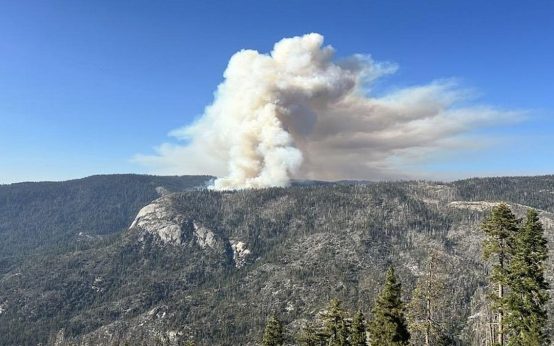 Helicopter Crash Claims Lives of Two Firefighting Pilots in Yosemite
 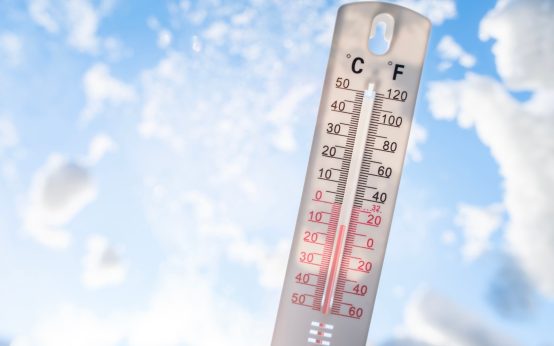 Cold Weather Alerts and El Niño Influence
 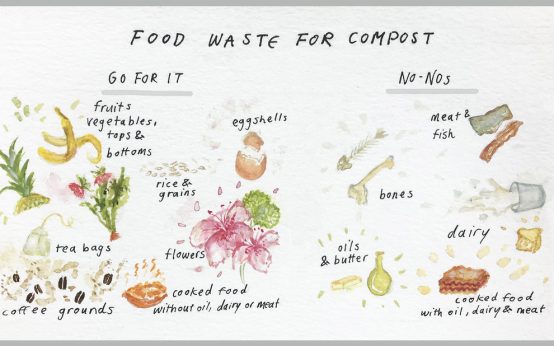 Turning Home Food Waste into Compost: A Guide
  Chicagohenge: When Sunlight Aligns with City Streets
 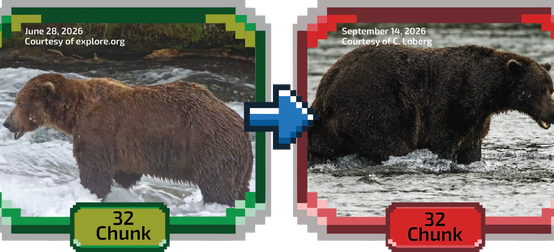 Fat Bear Week 2026: A Look at the Contest and Its Competitors
  California Governor Declares Statewide Emergency Ahead of El Niño Storms