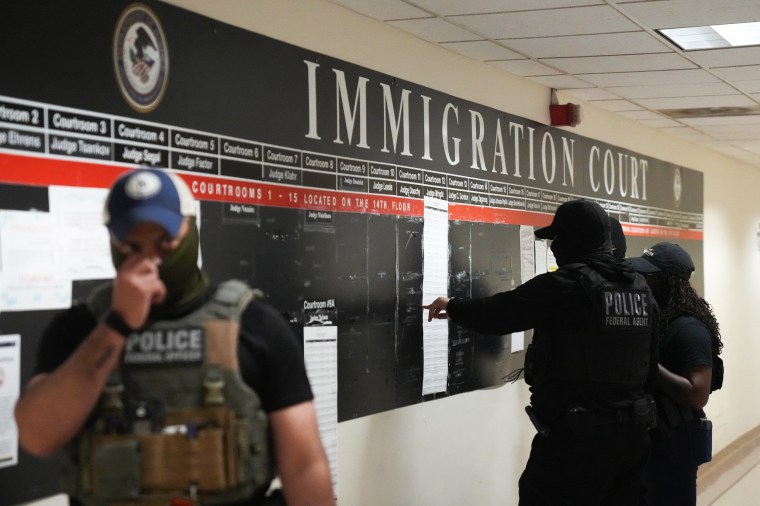
Concerns Over ICE Detention Conditions and Rising Suicide Rates
For years, immigrant rights groups have raised alarms about the conditions within U.S. Immigration and Customs Enforcement (ICE) detention facilities. Complaints focus on environments that are often cold, overcrowded, and unsanitary. Detainees face uncertainty about their release dates, leaving them in prolonged detention with an average stay of 50 days, up from 36 days during the Biden administration.
Detention Duration and Mental Health Impact
Simon Sandoval-Moshenberg, an immigration attorney based in Maryland, shared the experience of a client who spent 11 months in detention. He noted that such prolonged detentions contribute to feelings of hopelessness among detainees. According to immigration data, over 20,000 detainees have no criminal background other than immigration violations, such as overstaying visas or illegally crossing borders.
Incidents of self-harm may decrease if detainees had a clear timeline for their cases. Sandoval-Moshenberg points out that the lengthy and uncertain nature of immigration proceedings diminishes hope for many detainees.
Rising Suicide Rates in Detention Facilities
During Trump’s second term, ICE reported nine suicides among detainees, all men between ages 19 and 45. These suicides included detainees with violent and nonviolent criminal histories, as well as those with no criminal records. Allegations suggest failures in meeting required suicide prevention protocols, highlighted by the most recent suicide at Stewart Detention Center in Georgia.
Inspections revealed that many facilities didn’t comply with suicide prevention standards. Nationwide, there were 19 instances since Trump’s second term where facilities failed to meet these standards. In response, ICE emphasized its commitment to safe environments and adequate medical care.
Challenges in Oversight and Inspections
As the number of ICE detainees doubled, inspections of facilities decreased due to diminished resources. Visits by Congress members also faced obstacles; Rep. Mike Levin of California experienced restrictions, preventing him from speaking with detainees during a facility visit.
Despite these challenges, the DHS Office of Inspector General remains active in conducting unannounced inspections, with plans to expand these in light of increased federal funding.
Mental Health Struggles Among Detainees
911 calls revealed detainees experiencing severe mental health issues, including psychotic episodes and refusal of psychiatric medication. In Michigan, detainee Gabriel Leiva was placed in solitary confinement following a distressful episode. The incident highlighted the lack of communication between detainees and facility staff.
Victor Manuel Diaz, another detainee, committed suicide shortly after being detained in Texas. The circumstances surrounding his death led to suspicions and a demand for a second autopsy by his family.
An ICE representative stated that no detainee remains at the Michigan facility under Leiva’s name, yet concerns about detainee treatment continue to linger.
If you or someone you know is in crisis, contact the 988 Suicide & Crisis Lifeline by calling or texting 988, or visit 988lifeline.org. Additional resources can be found at SpeakingOfSuicide.com/resources.
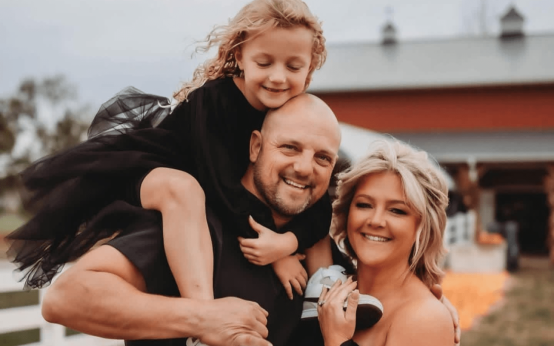 A Family’s Journey Through Cancer and Loss
  The Unlikely Intrigue of a 1990 NBA Trading Card
 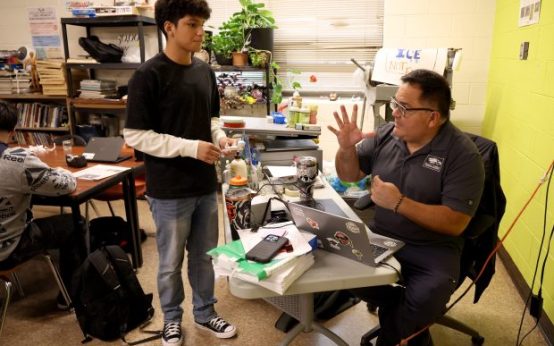 Celebrating Day of the Dead: Students Craft Calaveras in Pilsen
  Family Conflict over Sentimental Necklace
  Cindy Crawford’s Son Presley Gerber Dies at 27
 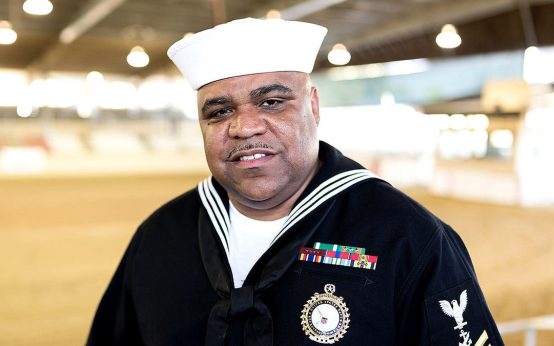 Navy Veteran Generald Wilson Reflects on Emotional National Anthem Performance