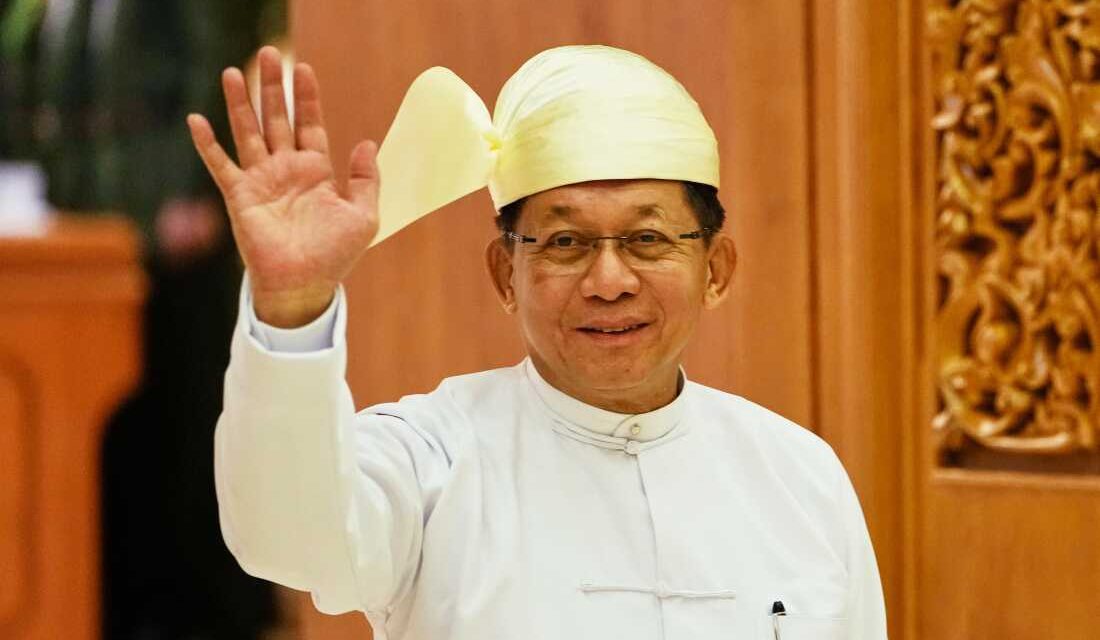
Senior General Min Aung Hlaing, previously head of Myanmar’s military council, inspects officers during a parade for Myanmar’s 78th Armed Forces Day in Naypyitaw on March 27, 2023. On his first trip abroad as president, Min Aung Hlaing visits India. According to India’s foreign ministry, the visit is scheduled from Saturday to Wednesday. Discussions are set with India’s Prime Minister Narendra Modi and Indian business figures, alongside a meeting with India President Droupadi Murmu.
The trip marks Min Aung Hlaing’s initial international visit since assuming the presidency in April. The election that brought him to power has been criticized by Western governments and rights groups as illegitimate. In 2021, as commander of Myanmar’s armed forces, known as the Tatmadaw, he overthrew the elected government led by Aung San Suu Kyi. This ignited a prolonged civil war, persisting without a foreseeable end. Despite ongoing conflict, a controversial election occurred. Millions were disenfranchised due to violence, and Aung San Suu Kyi’s party was excluded from participation.
Before the trip commenced, New Delhi stated that the visit aims to strengthen and enhance bilateral relations. Many analysts expected Min Aung Hlaing’s first official visit to be China, Myanmar’s principal ally and supporter of the electoral process. However, this didn’t happen. According to Myanmar analyst Min Zaw Oo, preparations for the proposed agenda required more time.
Myanmar analyst Morgan Michaels from the International Institute for Strategic Studies in Singapore noted that the India visit was not unexpected. India has maintained relations with Myanmar since the coup, recognizing the Tatmadaw’s entrenched power. India’s minister of external affairs attended Min Aung Hlaing’s swearing-in, indicating New Delhi’s willingness to engage with the new regime. Additionally, Chinese Foreign Minister Wang Yi visited Myanmar recently.
India and Myanmar have multiple issues to address, primarily security concerns along their 1,000-kilometer shared border. Myanmar is focused on opposition to military rule, while India deals with northeastern insurgencies. Drug and arms smuggling, along with human trafficking, are likely agenda points. India is also interested in Myanmar’s rare earth deposits, despite China’s significant control over the region’s supply chain.
Myanmar’s military is advancing after two years of setbacks against opposition forces. New tactics and drone capabilities, sourced from Russia and China, have aided their recent progress. “The military is reversing the conflict’s trajectory,” states Morgan Michaels, as they push deeper into opposition areas. This shift places opposition forces in a challenging position.
The military-backed regime is eager to consolidate its international position but is less accessible to Western media. According to Richard Horsey from the International Crisis Group, Myanmar aims to normalize relations with the Association of Southeast Asian Nations (ASEAN) and reclaim its United Nations seat, currently held by an ambassador appointed by Aung San Suu Kyi. ASEAN’s stance may be softening; Thailand’s initiative led to a virtual meeting with Myanmar’s new foreign minister, Tin Maung Swe, viewed by some as a concerning development.
Rights groups and Western governments worry that such diplomatic actions, in conjunction with the India visit, could legitimize Myanmar’s military-installed government. This concern grows while Myanmar wages a brutal conflict that has impacted thousands of citizens, with the global community largely preoccupied elsewhere.
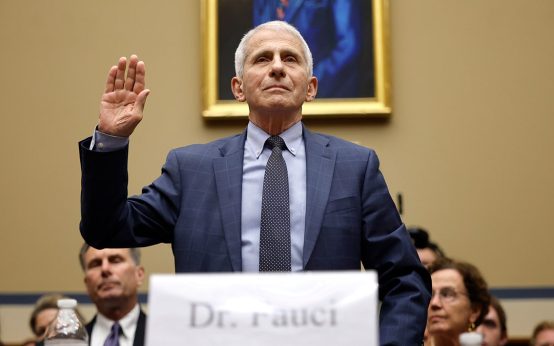 Contempt of Congress: The Case of Dr. Anthony Fauci
 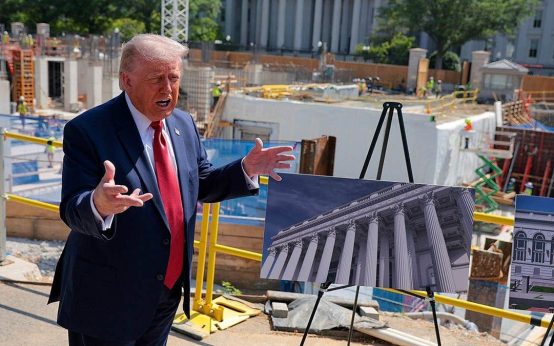 Trump’s Battle Over White House Ballroom: Legal Experts Weigh In
 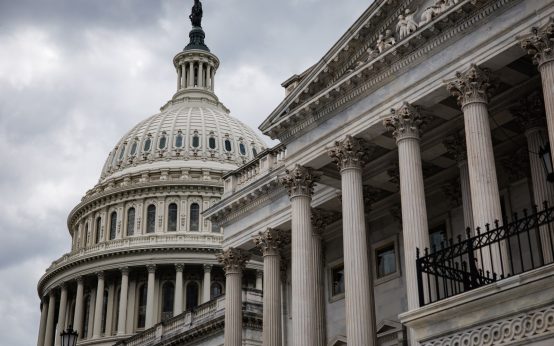 Senate Approves Temporary Funding Bill Amidst Policy Disagreements
  Toddler Causes Flight Cancellation Due to Seat Belt Issue
  Senate’s Packed Agenda Faces Legislative Challenges
  Pentagon Urges Defense Industry to Increase Weapon Production