
Conflicts in the Middle East continue to escalate, drawing significant international attention. A Palestinian individual in the West Bank recently spoke about their dire situation, as their home is surrounded by Israeli settlers. This situation highlights ongoing tensions in that region.
In the face of increasing uncertainties, a deal involving the Strait of Hormuz shows progress, despite questions surrounding U.S. munitions supply. U.S. Treasury Secretary Bessent indicated that the Strait could reopen soon, potentially today or tomorrow.
In Gaza, a somber mass funeral was held for 112 bodies recovered, reflecting the human toll of ongoing hostilities. The situation remains tense as past U.S. President Trump issued a stark ultimatum to Iran, urging them to reach a deal before facing ‘decapitation’ strikes, a term indicating severe military action.
Despite these threats, Trump later announced that discussions with Iran would resume after strikes were called off. Palestines continue to mourn for families lost in strikes, illustrating the continuous humanitarian impact of the conflict. Both the U.S. and Iran observe a fragile ceasefire period, allowing room for possible diplomatic negotiations.
The U.S. launched attacks on Iran following a surprise offensive against American forces. Trump promised retaliatory measures in response to a failed Iranian operation. Iran’s unexpected missile strikes on U.S. forces highlight the unpredictable nature of these conflicts.
Efforts for diplomacy led to a brief pause in strikes. Meanwhile, the Saudi-Iranian proxy conflict continues, with Saudi Arabia engaged in exchanges with Iran-backed rebels in Yemen. Trump’s commitment to retaliate against Iran for attacks on Saudi tankers and in the Red Sea signifies the geopolitical complexity of the region.
The conflict with Iran has also had economic implications. Oil prices surged, causing concerns worldwide as the confrontation extended. Fresh worries emerged after Houthis attacked Saudi vessels, prompting Trump’s presence at a solemn dignified transfer of four U.S. troops killed in the Iranian attacks.
Amid these turbulent developments, the White House plans to announce a nuclear agreement with Saudi Arabia, signaling potential shifts in alliances. According to Pete Hegseth, estimates suggest the U.S. conflict with Iran has incurred a financial burden of $37.5 billion.
The U.S. continued its military actions with ten consecutive nights of strikes following the loss of service members, underscoring the ongoing tensions in the Middle East.
 Trump Administration’s Plan to Resettle Afrikaners as Refugees
 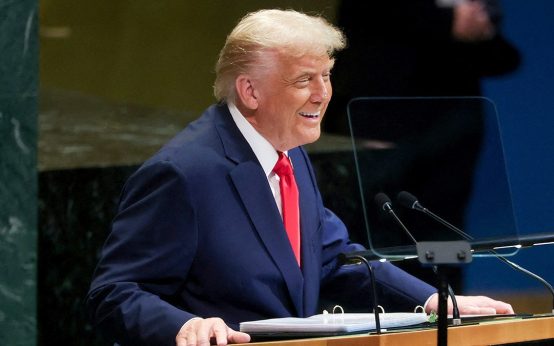 Trump’s Vision on Iran, AI, and Global Security at the UN
 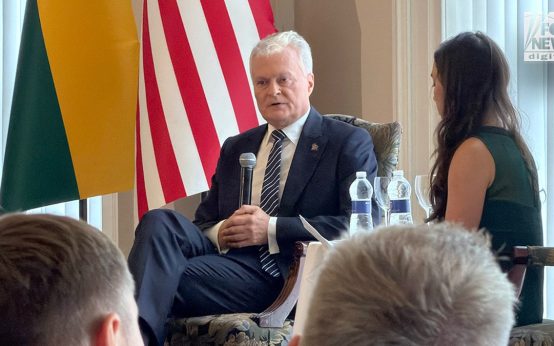 Lithuanian Leader Seeks U.S. Military Commitment Amid Rising Russian Threats
 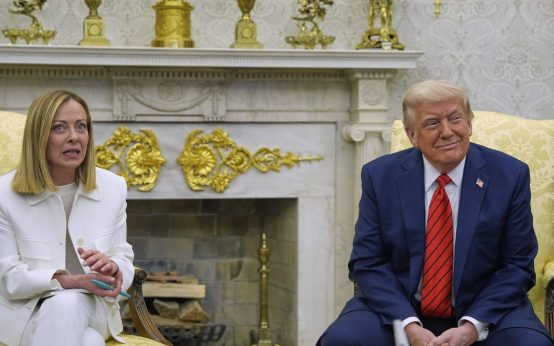 Italian PM Giorgia Meloni Skips UN General Assembly Amid Growing Tensions
  Calls Grow for Ireland’s Soccer Team to Boycott Matches Against Israel
 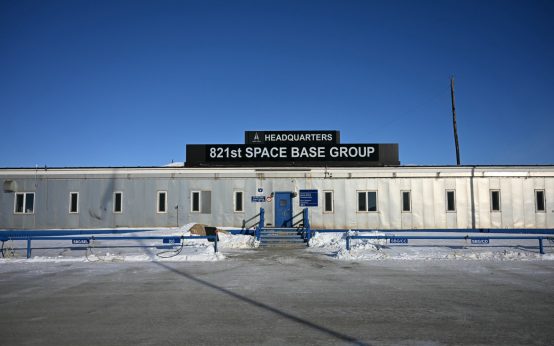 New U.S. Military Bases Planned in Greenland Amid Strategic Security Deal