On Monday, Israeli Prime Minister Benjamin Netanyahu directed attacks on the Hezbollah-held southern suburbs of Beirut. This move signals a further escalation in the war complicating mediation in the U.S.-Iran conflict.
Iran’s Foreign Ministry spokesperson, Esmaeil Baghaei, highlighted that Israeli attacks in Lebanon delay the diplomatic efforts aimed at ending the U.S.-Iran war. He emphasized that a ceasefire in Lebanon is essential to any resolution.
The statement from Netanyahu’s office explained that the Israeli military targeted “terrorist targets” in the suburbs of Beirut, known as Dahiyeh, in response to Hezbollah’s repeated ceasefire violations and attacks against Israeli cities and citizens.
Israel, after initially bombing Dahiyeh, conducted only two attacks post-U.S. President Donald Trump’s April 16 announcement of a Lebanon ceasefire, despite ongoing hostilities in southern Lebanon.
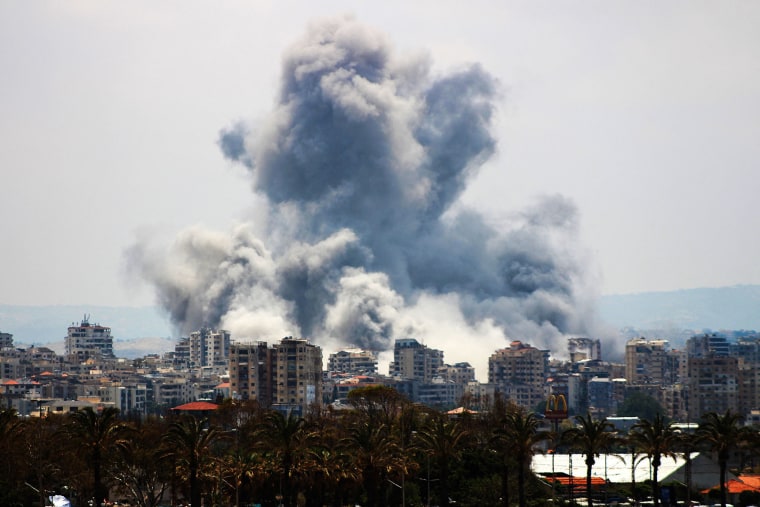
A plume of smoke ascends after an Israeli airstrike near Tyre, southern Lebanon.
Over the weekend, hostilities intensified with Israeli troops capturing the Beaufort Castle, a 900-year-old fortification. Netanyahu ordered expanded ground operations.
Lebanese authorities report over 3,370 deaths due to Israeli attacks since March 2, when Hezbollah supported Iran by targeting Israel amidst U.S.-Israeli attacks. During the same period, Israel reports 24 soldiers and four civilian fatalities.
Israel has established a security zone in southern Lebanon to protect northern Israel from Hezbollah militants entrenched in civilian areas.
The Lebanon war marks the deadliest spillover in the U.S.-Israel conflict with Iran, displacing over 1 million people, according to Lebanese authorities.
On Sunday, Netanyahu commanded the Israeli military to expand its ground maneuvers in Lebanon, aiming to deepen its control over Hezbollah-held territories.
Hezbollah, accusing Israel of ceasefire breaches, conducted 21 operations on the same day, including a rocket attack on Israeli military infrastructure in Nahariya.
An Israeli flag flies atop the historic Beaufort Castle, locally known as Qalaat al-Shaqif.
Amidst escalating violence, France called for an emergency United Nations Security Council meeting.
The U.S. has initiated rare meetings between representatives from Israel and Lebanon since the conflict began. These talks occurred despite Hezbollah’s objections.
On Sunday, U.S. Secretary of State Marco Rubio engaged Lebanese President Joseph Aoun and Netanyahu in diplomatic talks. Rubio proposed a gradual de-escalation plan, where Hezbollah would cease attacks and Israel would avoid escalating in Beirut.
The negotiations aimed to foster a gradual decrease in hostilities. An official stated that Aoun supported this proposal but faced challenges from Lebanese Parliament Speaker Nabih Berri.
Berri, a Hezbollah ally, assured Lebanon’s immediate ceasefire commitment if Israel halted aggression. He questioned, “Who will compel Israel to stop its aggression?”
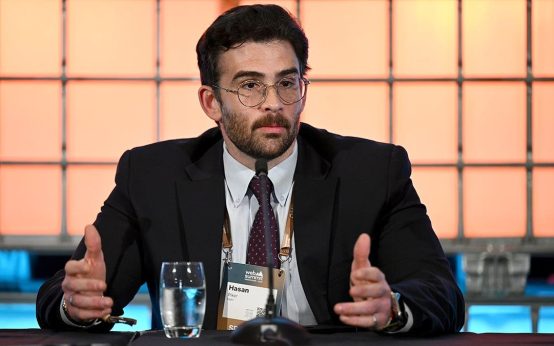 Twitch Streamer Hasan Piker Discusses Controversial Commentary
  A Shifting Political Landscape: The Decline of Autocratic Power
  Trump Delivers Warning to Iran, Cuba at UN General Assembly
 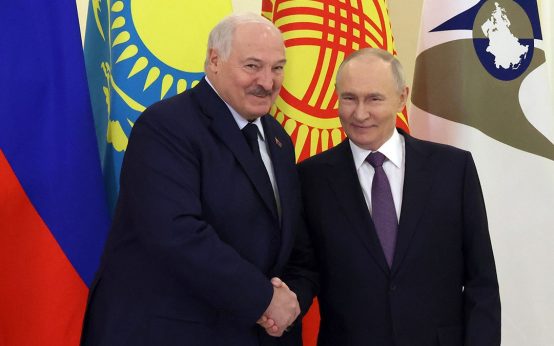 Lukashenko and Putin’s Unique Relationship and Belarus’ Strategic Role
  Alan Ritchson Faces Backlash Over Political Remarks
  Himalayan Pilgrimage: A Couple’s Narrow Escape and Lingering Questions