
Ten years have passed since Britain made a historic decision to exit the European Union, ending over four decades of membership. This choice, driven by aspirations to reclaim control of its future, was encapsulated in the political slogan ‘take back control,’ with emphasis on returning to a perceived past glory.
Brexit offered Britain the chance to revisit its post-World War II era, a time when the nation, led by figures like Winston Churchill, was still considered a global power. Boris Johnson, the foremost advocate for Brexit and later Prime Minister, envisioned a renewed, vibrant Britain emerging from this decision. He urged the nation to embrace the opportunities beyond the EU, imagining ‘sunlit meadows’ of prosperity and sovereignty.
A decade later, the reality has set in. The notion of regained sovereignty and liberation came with visible costs. The campaign resonated with a segment of the electorate feeling neglected by economic advancements, yet the anticipated relief remains elusive. The idyllic prospects painted by the Brexiteers were more illusion than reality.
In the summer of 2016, proponents of Brexit convinced a slim majority of voters — the result was 52 percent to 48 percent — that leaving the EU would end the austerity measures post-2008 financial crisis, restore thriving manufacturing employment, and enable profitable international trade. They promised reduction in immigration from Eastern and Central Europe, suggesting that the EU was an impediment to Britain’s destiny.
 Mass Kidnapping and Killings Challenge Haiti’s Security
  Dolly Parton’s Stance on Politics: A Look Back
  Viral Clip Shows Woman’s Surprising Reaction During Lindsay Clancy Trial
 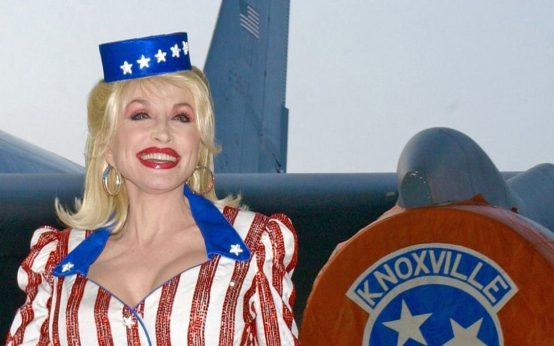 Dolly Parton’s Enduring Legacy and Her Connection with the Military
  Remembering Pan Am Flight 103: The Pursuit of Justice and the Sculpting of Grief
  Tensions Between Israel and Turkey: A Growing Challenge for the U.S.