
Executive Coaching Meets AI
When Mark K. House faced challenges with his new supervisor, he opted for a different approach. Instead of engaging human resources or a mentor, he turned to an AI version of himself. House had twice attempted to offer his expertise but was dismissed each time, leaving him disengaged. He turned to eMark, an AI coach created using Coachvox, a platform for developing custom AI models based on individual content and experience.
“The eMark conversations feel eerily real and help me narrow down a broader problem to a more specific issue which I find helpful,” House told Newsweek.
The Role of AI in Addressing Workplace Loneliness
Many U.S. employees experience workplace loneliness. A report from Gallup highlighted that 19% felt lonely during much of their workday in 2025. Despite this, employees increasingly rely on AI for advice and companionship. Workdays 2026 Human Connection Workplace Index showed that 76% of workers across large enterprises in seven countries used AI for advice and 37% for companionship. However, 43% expressed concern about losing human connection due to AI.
These findings reveal software’s growing role in spaces traditionally occupied by human interaction, though there are concerns about what might be lost in the process.
Development and Purpose of AI Coaching Platforms
Jim Canfield, co-developer of an AI coaching platform named Colleague, shared insights in May 2026 about his product aimed at supporting decision-making and conversations. With over 10,000 hours of experience working with CEOs, Canfield noticed capable individuals hesitant to share difficult issues or seek feedback.
“The business problem that interested me involves what happens when people don’t have someone to trust enough to discuss difficulties or seek feedback,” said Canfield.
Colleague offers a platform for users to process their challenges and prepare for human interactions. Yet, Canfield acknowledges the lack of evidence to support claims that Colleague reduces loneliness. Measuring outcomes like engagement and perceived support will be key to establishing its effectiveness.
Capabilities and Limitations of AI
Research supports the potential of chatbots to aid emotional processing. According to a 2025 Journal of Consumer Research study, personal AI companions reduced feelings of loneliness. Organizational psychologists suggest similar benefits in professional settings, with AI capable of mirroring peer encouragement aspects.
Karen Niven, a professor at the University of Sheffield, explained that AI can replicate some benefits of human interaction, yet the empathy involved requires listening and understanding over time.
For House, AI offers practical assistance rather than emotional reliance, allowing for advice processing without immediate pressure.
“Responding spontaneously can be stressful, whereas eMark removes this pressure,” House shared. He would still prefer human interaction but did not find eMark lacking.
Balancing Human and AI Roles
For corporate leaders, differentiating between AI and human capabilities is crucial. While AI provides a safe space for employees to explore solutions, it cannot replace strong leadership or alleviate workplace isolation alone. According to Gallup, primary drivers of employee engagement are supportive management, balanced workloads, and structured connection opportunities.
The strategic approach to business involves more than addressing loneliness. Bridget Bryan from King’s College in London affirmed that AI can make individuals feel heard but cannot replicate networking, knowledge sharing, or supportive check-ins.
Trust, culture, and meaningful connections remain human responsibilities.
 Small Business Tech and Innovation Updates
 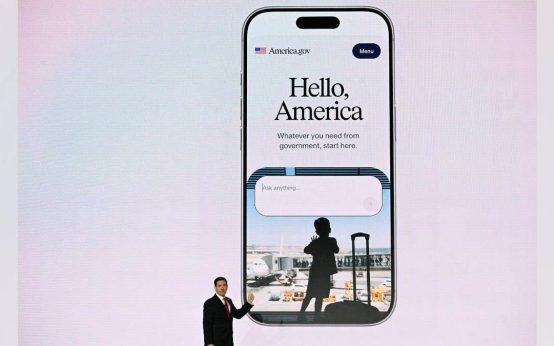 Trump Reveals AI-Driven America.gov Initiative
  Potential Threats and Promise of Artificial Intelligence Explored in New Book
  The Frustrations of Self-Checkout at Supermarkets
 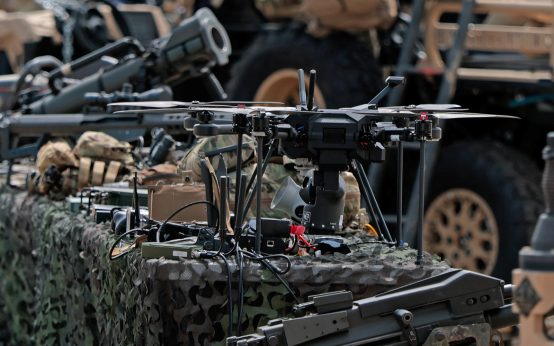 The Future of America’s Military: Balancing Tradition and Innovation
  Enhancements in Window Technology for Better Climate Control