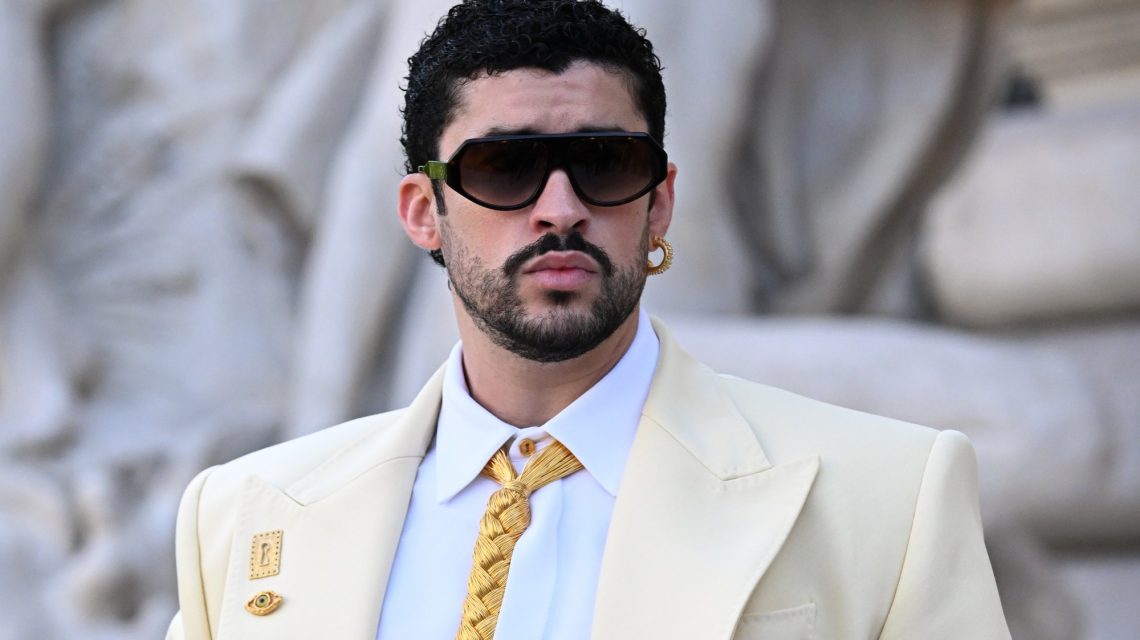
Bad Bunny recently faced a surprising situation when he discovered a reggaetón song on TikTok that skillfully mimicked his voice. The track also included artificial vocal clones of Daddy Yankee and Justin Bieber. Rather than dismissing the imitation, Bad Bunny responded firmly, instructing fans to leave his WhatsApp group if they enjoyed such content.
This incident underscores the growing concern for Latin artists as AI technology advances. The infiltration of AI in music creation poses significant risks, particularly for genres like reggaetón and salsa that dominate global streaming.
Impact on Latin Music
An investigation by The Atlantic revealed that AI training datasets have absorbed over 21 million tracks, including Bad Bunny’s collection, without approval or compensation. Major labels like Universal Music Group and Sony Music have taken legal action against AI platform Suno, finding thousands of their recordings used without consent.
AI-generated tracks increasingly compete with human-created music on streaming platforms. Deezer reports nearly 50% of its daily uploads are AI-generated. This competition intensely affects Latin music, one of the most streamed music genres worldwide.
Financial Implications
Latin music revenue in the U.S. hit $1 billion in 2025, marking a decade of growth. However, a study by the International Confederation of Societies of Authors and Composers cautions that music creators could lose a quarter of their income by 2028 due to generative AI, which may translate to a financial loss of 10 billion euros.
The threat echoes historical undervaluation of Latin music, where Spanish-language records were sidelined despite outselling English ones. AI now separates voices from their owners entirely, potentially leading to a future without contracts protecting artists’ rights.
Responses and Future Possibilities
A bipartisan Congressional group proposed the NO FAKES Act, aimed at granting Americans control over AI replicas of their voices and likenesses. Suno has launched models in partnership with Warner Music Group and BMG, showing consent and compensation are viable paths.
Practical protection begins with specific contract clauses addressing AI training and diligent metadata management. Latin artists have previously organized for fair streaming terms and might similarly rally to safeguard against AI exploitation.
Artists should be aware that vocal recordings today might train future AI models. Legal agreements, rather than unread terms of service, should govern usage and rights.
National Hispanic Heritage Month: A Call to Action
As National Hispanic Heritage Month approaches, the focus should be on ensuring Latin music creators are not merely celebrated but adequately protected. The global triumphs of reggaetón, salsa, bachata, and Latin trap warrant more than accolades; artists should retain control over their voices in an era of machine replication.
José Valentino Ruiz, a University of Florida professor and Latin Grammy Award winner, advocates for heritage to encompass not only remembrance but also the determination to protect and value cultural contributions.
AI has mastered singing in Spanish, yet the question remains whether the creators behind this mastery will be compensated fairly.
 Kevin Costner Sparks Romance Speculation with New Outing
 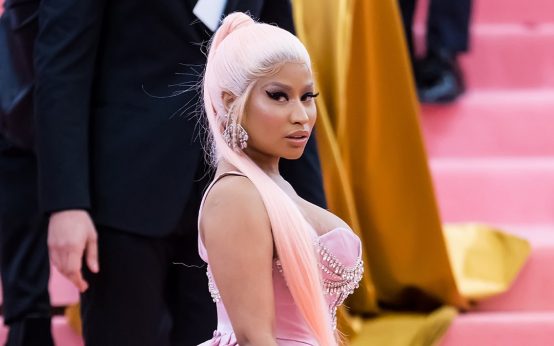 Nicki Minaj Shares Career Insights and Support for Trump
  Christine Taylor Reflects on Hollywood Career and ‘Hey Dude’ Salary
 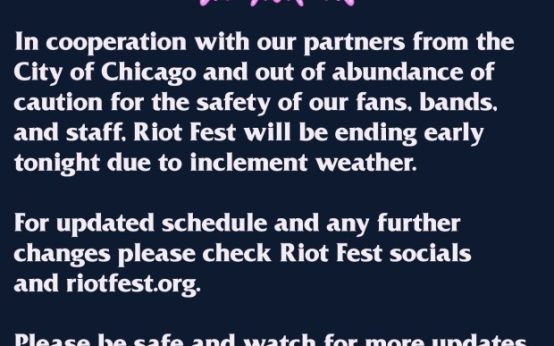 Riot Fest Ends Early Due to Storm Warnings
 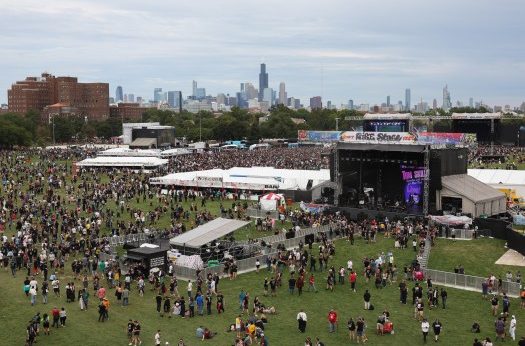 Riot Fest Day 3 Delayed Due to Weather
  Aaron Rodgers’ Journey Through High-Profile Relationships to a Secret Marriage