The super PAC Leading the Future is making substantial investments in Senate and House primaries ahead of the upcoming midterm elections. The group aims to elect candidates who are supportive of artificial intelligence (AI). It plans to spend $2 million in Senate races in Louisiana, Montana, and Oklahoma, allocating $1.5 million immediately. Additionally, $750,000 is earmarked for House primaries in California and Washington state.
Leading the Future is backed by industry leaders such as Greg Brockman, president of OpenAI, and his wife Anna, along with venture capitalists Marc Andreessen and Ben Horowitz.
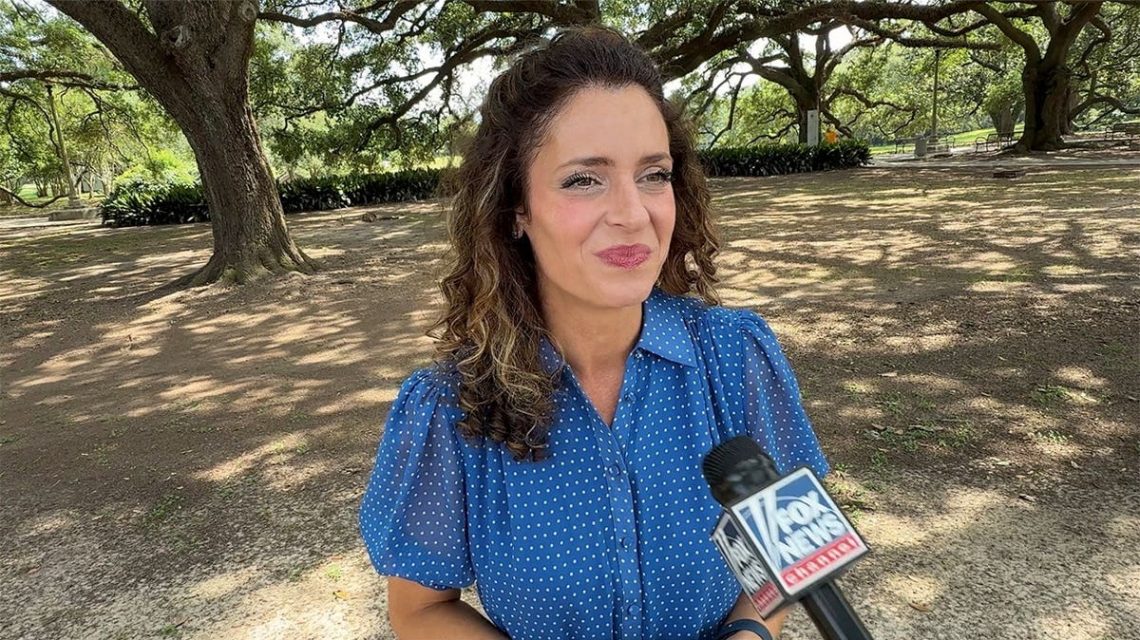
In Louisiana, the group supports Republican Rep. Julia Letlow for the GOP Senate nomination. Letlow faces state Treasurer John Fleming, a former congressman, in a runoff election scheduled for June 27. Letlow, backed by former president Donald Trump, is viewed as a frontrunner in the traditionally Republican state.
Montana’s Republican primary on June 2 will see former U.S. Attorney Kurt Alme competing to replace retiring GOP Sen. Steve Daines. Alme, endorsed by Trump, hopes to maintain the GOP Senate majority.
Oklahoma’s June 16 GOP primary features Rep. Kevin Hern, supported by Leading the Future and Trump, vying for the Senate seat vacated by Markwayne Mullin.
The group plans to implement an integrated strategy across various platforms to establish early support for candidates aligning with a pro-growth technology agenda.
In California, Leading the Future endorses Republican Rep. Jay Obernolte for the June 2 primary in the 23rd Congressional District.
Washington state’s primary on August 4 includes Republican Angela McKinney, supported by Leading the Future in the race for the retiring GOP Rep. Jim Newhouse’s seat.
Leading the Future raised over $125 million in 2025, with $70 million in the bank as of the year’s start, and another $25 million garnered recently.
Zac Moffat, co-strategist for Leading the Future, emphasized the group’s commitment to building a coalition of pro-innovation leaders who recognize the economic potential of AI.
The group targets candidates wary of industry restrictions, claiming such measures may hinder innovation and give China a competitive edge. It is also opposing Democratic New York state legislator Alex Boros from entering Congress.
The Trump administration advocates a single federal AI framework, resisting state-level restrictions, though a planned executive order on federal oversight was postponed after AI leader opposition.
Public sentiment on AI remains skeptical. A recent Fox News poll indicated 50-point negative views regarding privacy impacts, 35-point concerns over job creation, and varying degrees of worry over AI’s effect on daily and personal life.
Paul Steinhauser, based in New Hampshire, reports on politics from coast to coast.
 Federal Appeals Court Decision Against Trump’s ‘Third-Country’ Deportation Policy
  President Trump’s Controversial Ban on Media Outlets Sparks Press Freedom Concerns
  U.S. Security Agreement in Greenland Sparks Optimism and Concerns
  Cook County’s Property Tax Bridge Loans
  A Controversial Stance on Immigration Policies Sparks Debate in South Carolina
  Trump Administration Challenges In-State Tuition for Undocumented Students