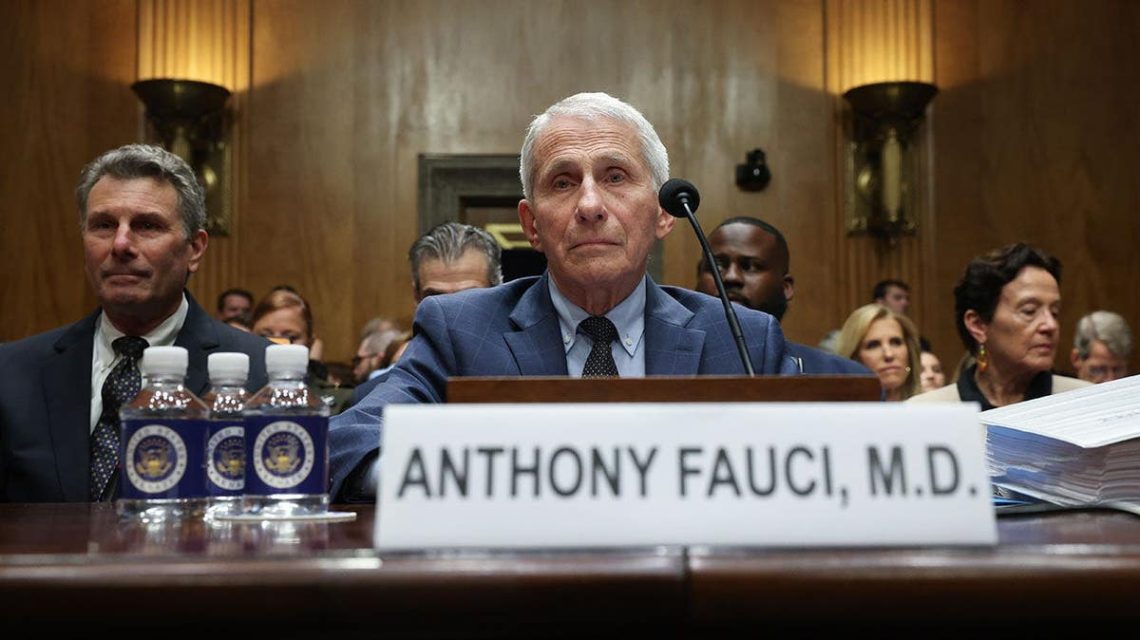
Recent revelations from Anthony Fauci’s private diary and emails have sparked widespread embarrassment for the 85-year-old former public health official. These documents, released by Sen. Rand Paul, portray Fauci as someone deeply absorbed in his newfound fame. He meticulously documented his media appearances and celebrated each flattering feature written about him. Fauci also spoke of his friendships with celebrities like Joan Baez and Barbra Streisand, claiming a special connection with Baez.
Privately, Fauci expressed views that contradicted his public statements. He noted the likelihood of the lab leak theory and supported mask mandates due to their existing usage and CDC backing. Despite acknowledging the ineffectiveness of closures, he continued to advocate for them. These diary entries also reveal his private concerns about contracting COVID-19 even at events requiring vaccinations, yet he pushed for more mandates afterward.
During Senate hearings, Fauci faced questions about these discrepancies while testifying about his pandemic management efforts. His depiction in these documents is unflattering, underscoring a disconnect between his public persona and private thoughts.
CNN journalists Jake Tapper and Dana Bash are mentioned several times in Fauci’s diary. Tapper, who dined with Fauci before pivotal pandemic decisions, declined to comment on whether their relationship influenced his coverage. Bash texted Fauci supportively after a contentious hearing, showcasing her favorable view of him.
The release challenges the integrity of legacy media outlets like CNN, which Fauci trusted. Robert F. Kennedy Jr., speaking on CNN, criticized the media’s role in supporting Fauci’s policies. He pointed to lockdowns and their severe economic impact, arguing that swift media vilification prevented alternative solutions.
During the interview, Bash prioritized public health over constitutional rights, dismissing concerns about media freedom. Kennedy highlighted the demonization of dissenting experts and criticized CNN for its uncritical agreement with Fauci, attributing it to shared political biases.
Kennedy underscored the misalignment between Fauci’s public statements and scientific data. He pointed out that Fauci and aligned media figures disregarded opinions from experts who disagreed with their political stance, drawing attention to biases in coverage.
CNN’s stance remains supportive of Bash and its COVID-19 coverage, despite the noted gaps in challenging Fauci during the pandemic. Kennedy’s remarks emphasized the need for skepticism towards authority and fidelity to journalistic principles.
Ultimately, these revelations prompt a reevaluation of the media’s role during the COVID-19 crisis, highlighting the importance of diverse voices and rigorous questioning of authority figures.
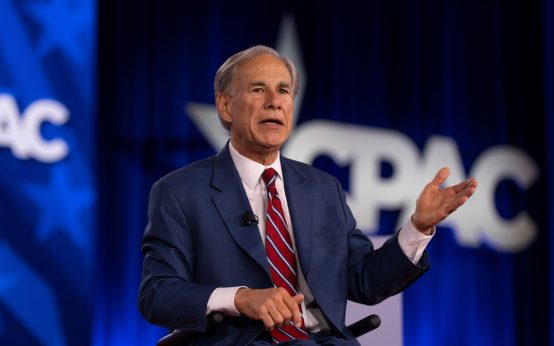 Texas Governor Abbott Leads in Polls Amid Gubernatorial Race Against Hinojosa
  Poll Discrepancies in Michigan’s Democratic Primary
  Fauci Faces Possible Criminal Charges Amid Senate Committee Vote
  Congress Faces Social Security Challenge
 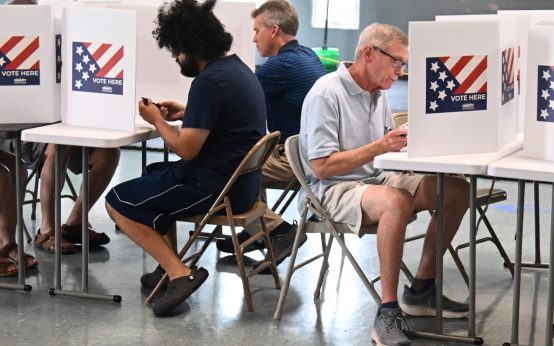 Missouri Voters Reject Income Tax Elimination
 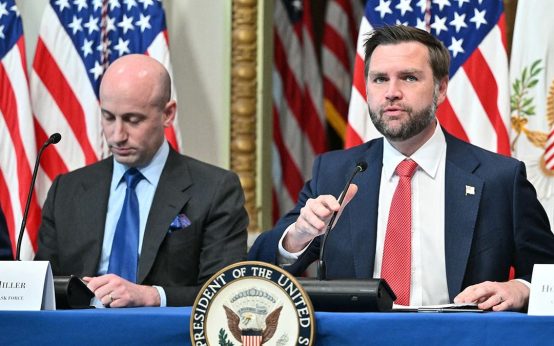 VP Vance Highlights Anti-Fraud Achievements and Proposes Reforms