Armenia’s parliamentary election on June 7 will act as a decisive moment for the country’s significant geopolitical gamble. The emerging orientation towards the West represents a national shift away from strategic dependency on Moscow, aiming for wider partnerships with Europe and the United States. This move reflects collective national rethinking.
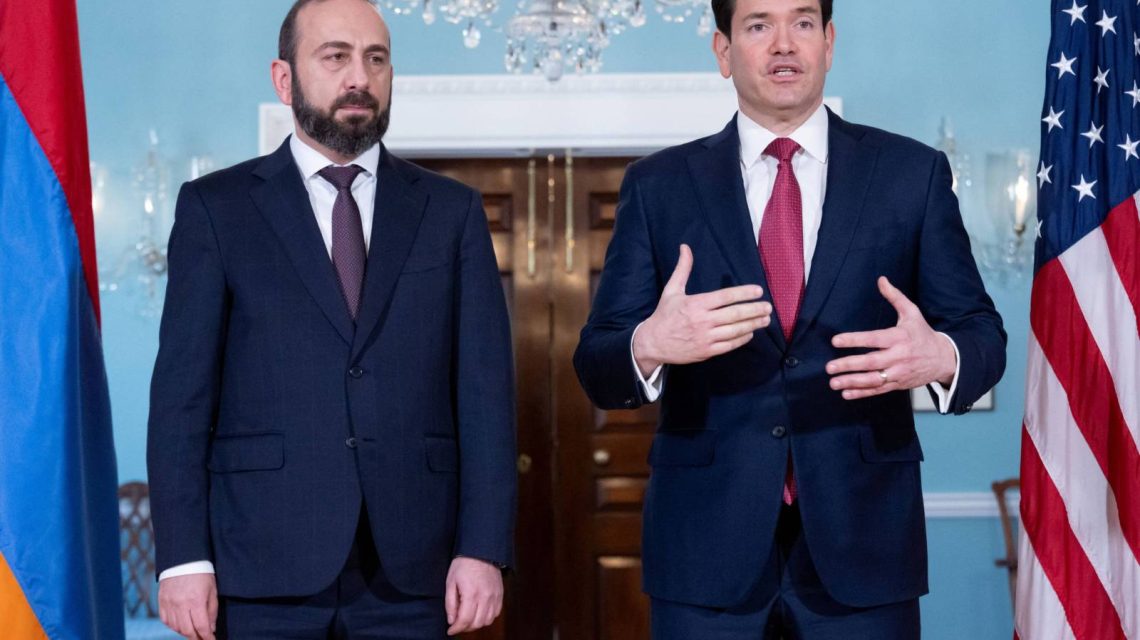
Positive outcomes are already visible. The European Union summit in Armenia highlights the country’s growing significance to Europe and the United States as a potential democratic and logistical bridge in the South Caucasus. Recently, U.S. Secretary of State Marco Rubio visited Yerevan to cement a strategic partnership with Armenia, including agreements on critical minerals and a proposed transit corridor connecting Azerbaijan to its exclave, Nakhchivan, and further to Turkey.
These agreements illustrate the increasing importance of the South Caucasus in Western strategic considerations, as Europe and the U.S. seek new routes that bypass Russia and Iran. Armenia has diversified its alliances by strengthening ties with Europe, hosting Western leaders, and reducing dependence on Russia. What once was a country seen as isolated is now looking outward with newfound confidence.
“The price of Armenia’s geopolitical repositioning was the effective loss of Nagorno-Karabakh, known to Armenians as Artsakh.”
After Azerbaijan’s military actions in September 2023, the enclave, which had endured a nine-month blockade, collapsed. Over 120,000 ethnic Armenians fled to Armenia, fearing life under Azerbaijani control. One of the oldest Armenian diasporas vanished rapidly, leaving a lasting trauma among Armenians.
International concern faded quickly, as global attention shifted following the October 7 assault by Hamas on Israel. In the South Caucasus, diplomatic focus turned to infrastructure deals and regional normalization. Refugees in Armenia shared their experiences of loss and displacement but received little justice or compensation.
The Unresolved Tragedy of Nagorno-Karabakh
The continued imprisonment of several former Artsakh officials in Azerbaijan, including Ruben Vardanyan, poses a moral question in the postwar order. Azerbaijan labels them as criminals, while Armenians see them as political prisoners. This situation complicates Armenia’s integration with the West and reconciliation with Azerbaijan.
Even Armenians willing to compromise struggle with the lack of international attention to the imprisonment issue. This diplomatic environment provides Europe and the U.S. with leverage, evident in Rubio’s visit to Yerevan and the strategic partnership agreement, marking a geopolitical shift in the South Caucasus.
Opportunities and Challenges
Azerbaijan seeks stability, investment, and recognition as a key transit and energy hub, while Armenia seeks security and Western backing in its shift away from Moscow. The region stands close to a historical transformation driven by connectivity rather than conflict.
This is the opportune moment for Western powers to negotiate the release of Artsakh’s political detainees as part of regional integration efforts. Praising Armenia’s democratic progress, Western governments should make it clear that integration involves obligations for all parties, including Azerbaijan. The release of detainees should be central to talks on transport and economic partnerships.
To strengthen moderates in Armenia, Washington should demonstrate its partnership is not merely transactional but rooted in political accountability and human dignity. This would reassure Armenians that diplomacy values justice even after losses.
Ignoring grievances risks long-term instability. Peace requires a commitment to justice and moral legitimacy. The fate of Artsakh’s prisoners tests whether justice will survive in the new regional order.
 Federal Appeals Court Decision Against Trump’s ‘Third-Country’ Deportation Policy
  Ed Sheeran’s Philadelphia Concert Amid Controversy
 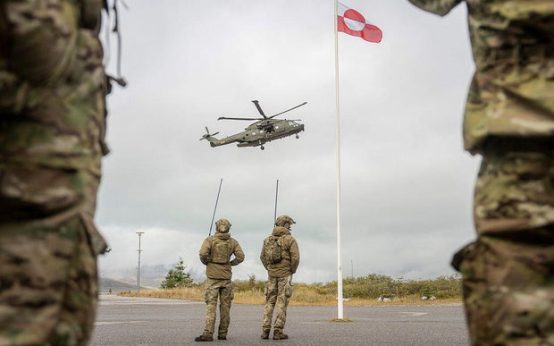 U.S. Secures Strategic Control Over Greenland
 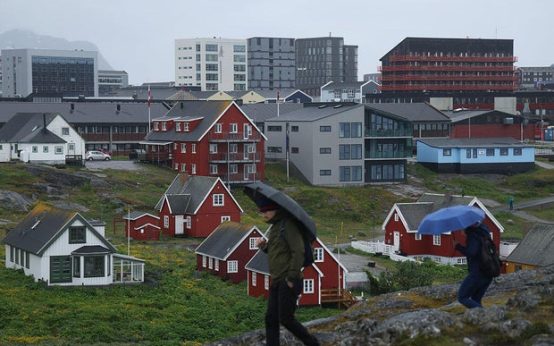 U.S. Security Agreement in Greenland Sparks Optimism and Concerns
 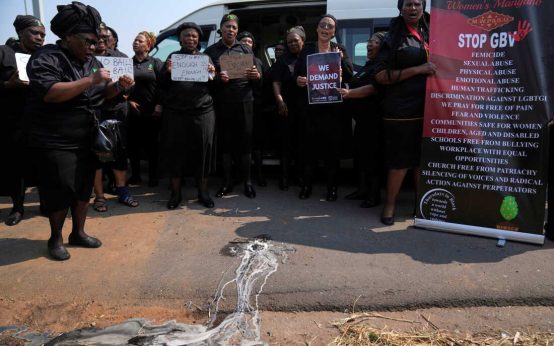 Impact of Gender-Based Violence in South Africa
 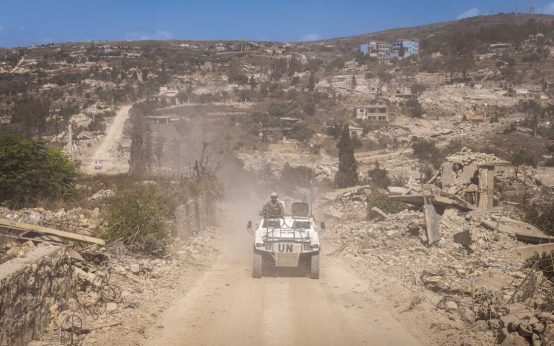 UNIFIL Operations in Southern Lebanon Amidst Ceasefire Challenges