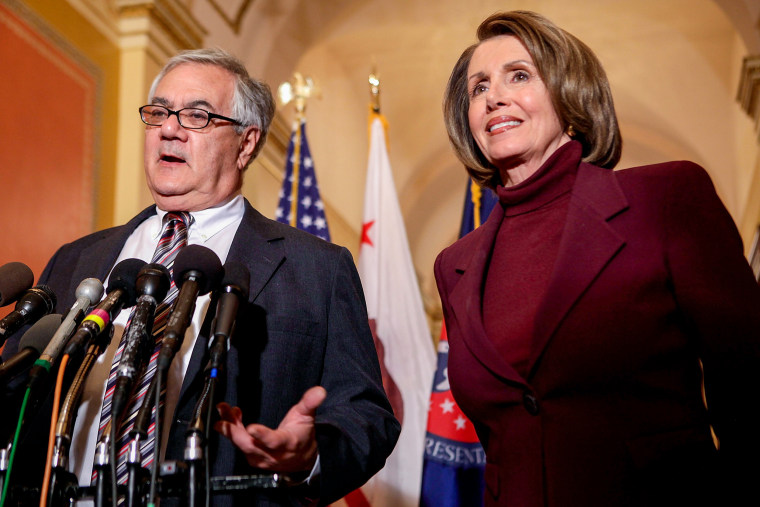
Barney Frank’s political journey began when he left Harvard to serve as chief of staff to Boston Mayor Kevin White, from 1968 to 1971, during a time of racial tension in the city. Following this, he became a staff assistant for Representative Michael F. Harrington, who served Massachusetts’ 6th Congressional District.
In 1972, Frank entered electoral politics, securing a seat in the Massachusetts Legislature. He was re-elected three times while earning his Juris Doctor from Harvard Law School. Frank then advanced his career with a successful bid for the U.S. House, narrowly winning Massachusetts’s 4th Congressional District in 1980 with just under 52% of the vote. Despite the close margin, he consistently won his next 15 re-election campaigns.
In 1987, during his fourth term, Frank became the first Congress member to voluntarily disclose his homosexuality. Speaking openly to The Boston Globe, he emphasized that his personal life was separate from his professional duties, stating, “I don’t think my sex life is relevant to my job.”
Frank’s career faced challenges in 1989 due to a news report about his involvement with a male sex worker who had worked as his personal aide. He admitted to paying the worker, Steve Gobie, for services but terminated his employment upon discovering Gobie’s misuse of Frank’s apartment for illicit activities. In 1990, the House voted 408-18 to reprimand Frank for fixing Gobie’s parking tickets, yet Frank’s constituents remained supportive, and he won re-election with 66% of the vote.
Throughout his three decades in the House, Frank maintained a liberal stance, advocating for abortion rights, environmental protections, anti-discrimination laws in employment and housing, and LGBTQ equality. He became instrumental in pushing for the repeal of the “don’t ask, don’t tell” military policy.
One of Frank’s most significant legislative achievements was the Dodd–Frank Wall Street Reform and Consumer Protection Act, co-authored with Sen. Chris Dodd in response to the 2008 financial crisis. Signed into law by President Obama in 2010, the act aimed to stabilize markets, end the “too big to fail” era, and protect consumers from unfair practices. The bill drew criticism from progressives for being too lenient and from Republicans for being excessively restrictive.
Frank also faced criticism for supporting Fannie Mae and Freddie Mac’s mortgage initiatives for lower-income individuals, which critics argue contributed to their financial instability and the housing crisis. In 2010, he overcame a tough challenge from Republican tea party candidate Sean Bielat but chose not to seek re-election in 2012, succeeded by Joe Kennedy III.
In 2012, Frank married Jim Ready, finding joy in married life. Three years later, he published his autobiography, “Frank: A Life in Politics from the Great Society to Same-Sex Marriage.” On the day same-sex marriage was legalized nationwide, Frank expressed his happiness with a simple tweet: “#lovewins.” Frank is survived by his sisters Ready and Breay, another sister Ann Lewis, and a brother, David Frank.
 Calls Grow for Ireland’s Soccer Team to Boycott Matches Against Israel
  Congressman Randy Fine’s Bold Political Stance and Views on AI Regulation
  Political Messaging and Strategy Leading Up to Midterms
  President Trump Proposes ‘Super Intelligence’ as New AI Term
  Trump Administration Considers Diesel Export Ban Amid Rising Prices
 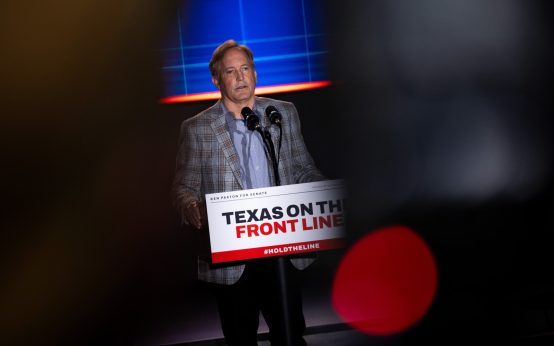 Texas Senate Race Tightens with Shifting Youth Support