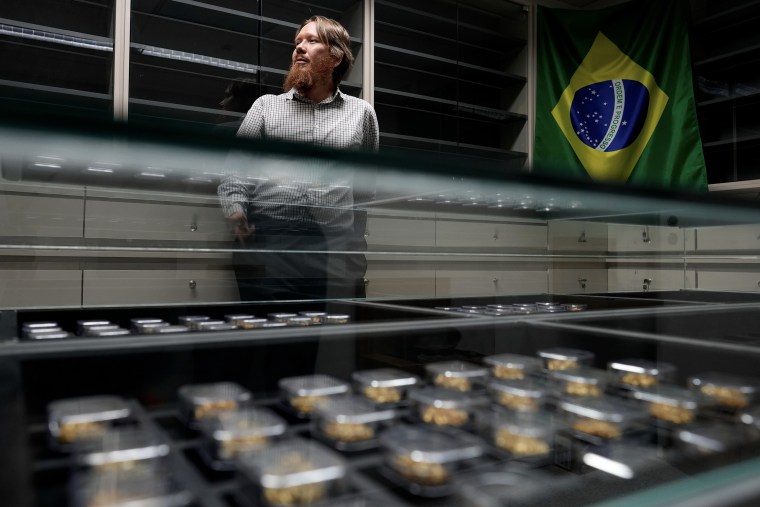
In Brazil, forensic science is being deployed to address the issue of illegal gold mining in the Amazon, an activity that significantly threatens the rainforest. This illegal mining harms Indigenous communities and has led to increased deforestation and dangerous mercury contamination.
The Role of the Gold Lab
Located at the National Institute of Criminalistics in Brasilia, a specialized ‘gold lab’ assists federal police in analyzing gold samples collected nationwide. The main goal of this lab is to identify if a gold sample, such as one seized during a police raid, originates from a protected area. If so, this indicates illegal mining activities. This process, known as ‘gold fingerprinting,’ involves tracing the origin of gold samples with great accuracy.
The Unique Nature of Gold Samples
Experts liken the process of tracing gold to examining a person’s DNA. Each gold particle is unique because it absorbs local elements like silver and copper from the rock or riverbed where it forms. This unique composition serves as a ‘fingerprint,’ allowing investigators to determine the true origin of seized gold.
Gustavo Geiser, a forensic expert at the National Institute of Criminalistics, has been working on this method since 2019 in collaboration with Brazilian universities. The tools used include X-ray fluorescence spectrometry, scanning electron microscopy, and laser ablation mass spectrometry. Despite the increasing complexity of these examinations, the core question remains: “Where did this gold come from?”
Impact on Legal Markets and Crime Prosecution
Proving a gold sample’s illegal origin helps build a case against environmental criminals and supports further investigations. These criminals often use fraudulent methods to introduce illegally mined gold into legal markets. The surge in global gold prices has exacerbated these activities.
A platform called Amazon Mining Watch, which uses satellite imagery, estimates that around 496,000 hectares of rainforest have been deforested for mining since 2023, with 223,000 hectares in the Brazilian Amazon alone.
Evidence of fraudulent mining activities led to actions by Brazil’s Federal Court of Accounts and a lawsuit by federal prosecutors against the National Mining Agency. Greenpeace has reported on ‘ghost mine’ scams, where legal mine claims do not match satellite and aerial imagery.
Broader Regional Challenges
Geiser notes the lab aids significantly in crime prevention and strengthens global gold supply integrity. There is a growing problem of crime networks exploiting neighboring countries like Venezuela, French Guiana, and Suriname to launder illegal gold, with samples from these areas now also feeding into the lab’s database. This situation has prompted regional cooperation through the Amazon International Police Cooperation Center in Manaus, Brazil.
Environmental and Health Concerns
The Amazon rainforest plays a crucial role in regulating the global climate, and any degradation can contribute to global warming. According to MapBiomas, over 90% of Brazil’s mining occurs in the Amazon, with nearly 40% of it illicit. The environmental damage from illegal mining is severe due to irreversible mercury contamination. Mercury, used in gold extraction, leaches into rivers, polluting water sources and fish, which are vital to Indigenous communities.
A 2023 study by Fiocruz found that 21.3% of fish sold in Amazonian markets had mercury levels exceeding WHO safety limits. Children aged 2-4 consume mercury at levels up to 31 times the recommended limit.
Brazil is part of the Minamata Convention on Mercury, aiming to eliminate mercury use in gold mining. A draft proposal to phase out mercury use is under consideration, expected to be debated until August 7. Prosecutors have called for consultations with affected Indigenous groups, though this has not yet occurred. A complete mercury ban would help reduce contamination and bolster forensic investigations, allowing the lab to detect mercury traces in samples, confirming illegal mining activities.
 California Governor Declares Statewide Emergency Ahead of El Niño Storms
 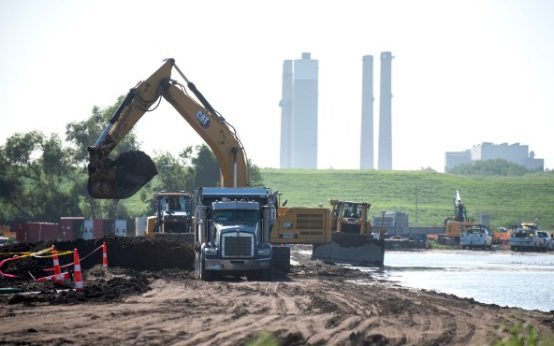 EPA Rollbacks and the Impact on Indiana Communities
 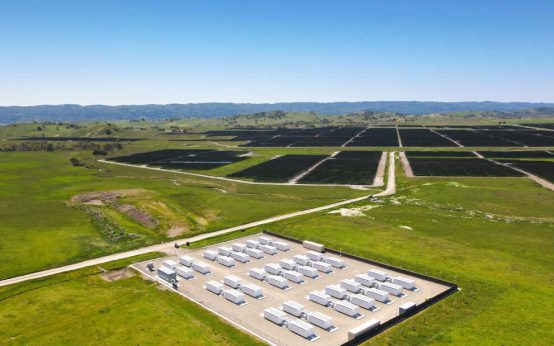 The Impact of Battery Innovations on Renewable Energy
 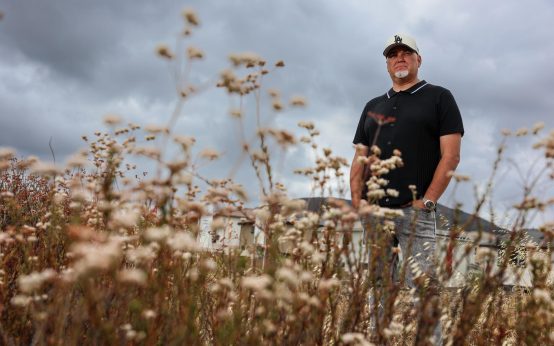 Challenges in California’s Home Insurance Market
  Race Against Time: Preserving Quinhagak’s Archaeological Heritage
  Managing Drying Rivers: The Need for New Approaches