On the evening of her murder, Robert Blake took his wife, Bonny Lee Bakley, to dinner at Vitello’s Italian Restaurant in Studio City. The restaurant was known for its collection of aging celebrity photos prompting guesses about the identities of the stars. By May 2001, the 67-year-old actor was an elusive figure, only remembered by those who watched television in the 1970s. Among his appearances were regular slots on ‘Hollywood Squares,’ numerous ‘The Tonight Show’ guest visits, and most notably, playing a cool, make-believe cop.
Blake’s role as plainclothes detective Tony Baretta was iconic. With his signature style including muscle shirts and a newsboy cap, he dominated the screen with street-smart dialogue and a pet cockatoo for four seasons. His performance earned him an Emmy in 1975. Despite this success, Blake later stated his disdain for the role, arguing he should have been using his talent for serious movies.
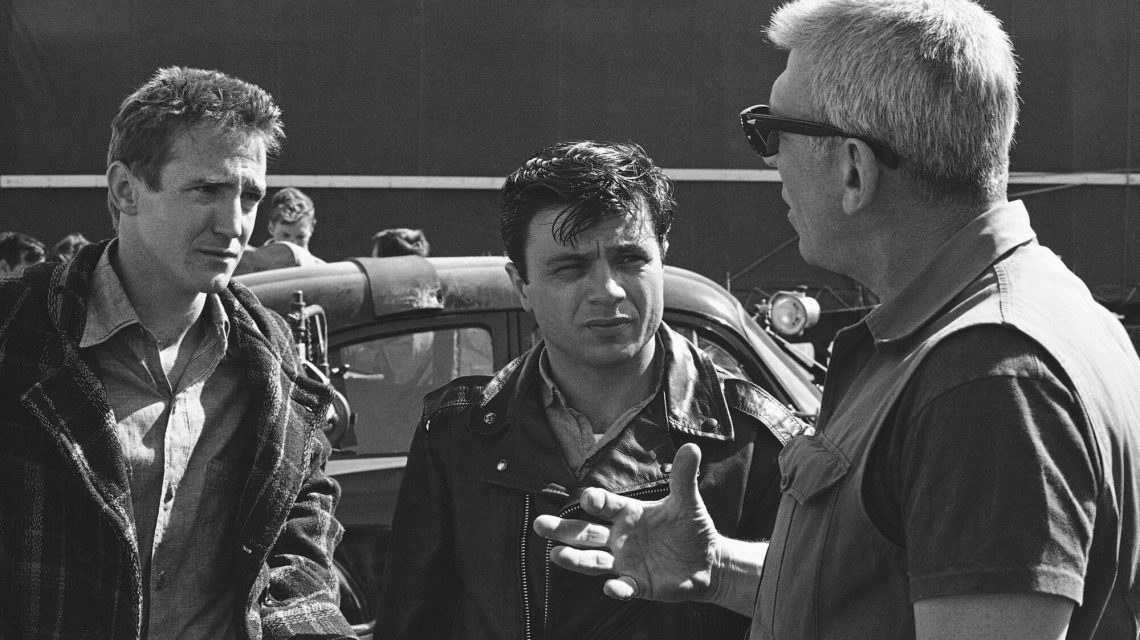
In the 1967 film adaptation of ‘In Cold Blood,’ Blake delivered his most celebrated performance. He portrayed Perry Smith, a troubled man involved in a robbery-turned-murder of a Kansas farm family. In the film, Blake, embodied chilling realism, describes how Perry admired Mr. Clutter right up until his brutal act against him.
Blake felt an intense connection to his character, writing in his memoir about his identification with Smith: ‘Perry and I were intertwined like vines over the same grave.’ Unfortunately, Blake would never find a role of the same caliber again, hindered by a destructive personal nature. Publicly, Blake was seen as a tough, honest guy who resented the Hollywood scene. He often talked about his deprived childhood revealing traumas from parental neglect.
Born Mickey Gubitosi in New Jersey, Blake grew up on movie sets. By age five, he was acting in ‘Our Gang’ shorts and later appeared in numerous films, creating the image of a rugged East Coast upbringing. He frequently adopted the language and mannerisms of the characters he portrayed.
In 1998, Blake met Bakley at a Burbank jazz club. By then, he was a divorced father of grown children. Bakley was significantly younger than Blake, with a history of cons, selling lewd photos and committing mail fraud. She sought celebrities and found Blake to be a lonely, lower-tier star. Their relationship quickly turned physical, motivated by her knowledge of his $8 million net worth and his desire for fleeting affection.
The couple soon had a daughter, Rosie, whose paternity was confirmed by a test. They married in a small ceremony. Blake contended that he was trapped by Bakley but had developed love for their daughter. Bakley lived in Blake’s guest house while he maintained a detached lifestyle.
When they visited Vitello’s, Blake parked his car deliberately out of sight, a suspicious detail to detectives later on. He was a common patron at Vitello’s, with the menu even featuring a dish named in his honor.
Blake and Bakley had been married for about six months when, according to Blake, they left the restaurant, but he had to return for his forgotten handgun. Upon his return, he discovered Bakley with a fatal head wound in their car.
During this time, a neighborhood resident, Sean Stanek, recalled Blake’s frantic plea for help. Stanek found Bakley gravely injured, prompting skepticism regarding Blake’s actions during the incident.
Initially, detectives found Blake’s handgun wasn’t the murder weapon. The actual weapon, a Walther P38, was discovered in a nearby trash bin. Though Blake had gunshot residue on him, he attributed it to earlier target practice.
Gary McLarty, a veteran stuntman, came forward 10 days after the murder. Known as “Whiz Kid,” McLarty remembered his past with Blake on ‘Baretta’ and shared Blake’s request for help in killing his wife. McLarty refused, citing moral reprimands, and another stuntman, Ronald Hambleton, relayed similar encounters with Blake plotting scenarios to harm Bakley.
The detectives believed Blake committed the murder himself, having been unable to find someone else willing to execute the plan. As the case unfolded, the media painted Bakley as a conniving figure, possibly clouding judgment during Blake’s trial.
Eleven months after Bakley’s murder, charges were filed against Blake, though skepticism lingered. The long shadow of the O.J. Simpson case loomed over the proceedings. The trial saw 74 prosecution witnesses yet failed to conclusively place the murder weapon in Blake’s possession. Blake’s defenders questioned the credibility of stuntmen witnesses, calling attention to their troubled pasts.
In March 2005, Blake was acquitted. Publicly, he portrayed resilience, emphasizing his financial ruin while inspiring talk of new beginnings. In an interview with Larry King, Blake was dismissive of naysayers.
However, in a subsequent civil trial, Bakley’s family pursued justice. The civil attorney avoided repeating prosecutorial errors and succeeded in securing a verdict against Blake, who was held liable for Bakley’s death.
Despite his protests, Blake’s reputation had suffered. Financial repercussions from the civil suit followed. In 2023, at age 89, Robert Blake passed away due to heart disease. Some still questioned his role in Bakley’s murder, pondering whether he ever regarded the act as a misguided means to save his daughter from Bakley’s influence.
 Javier Bardem Faces Backlash Over Pink’s UNICEF Controversy
  Discussion on NFL Draft Comparison and Simone Biles’s Car Issue
  Ella Langley Makes Billboard Hot 100 History with ‘Choosin’ Texas’
 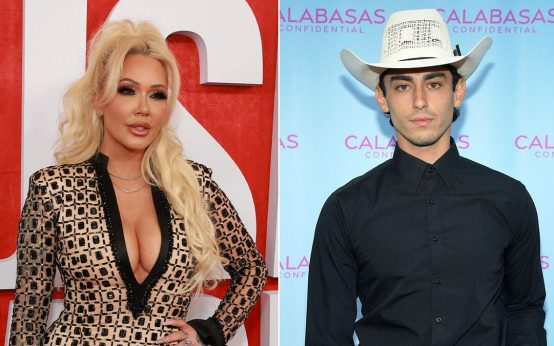 Bunnie Xo’s Post-Divorce Adventures Spark Debate Over Age Gap
 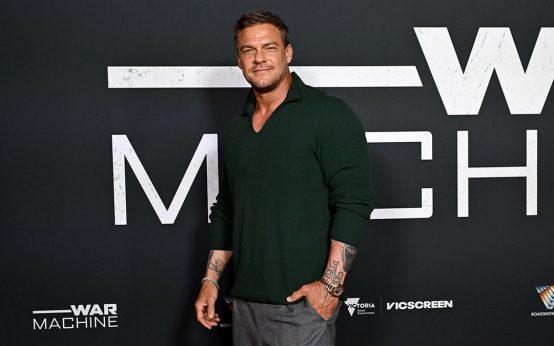 Alan Ritchson Faces Backlash Over Political Remarks
 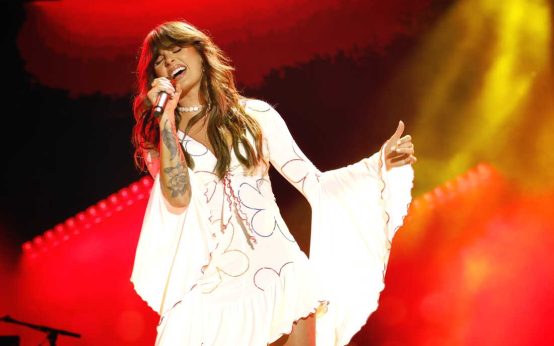 Ella Langley’s Record-Breaking Chart Success: The Rise of ‘Choosin’ Texas’