The Trump administration has shifted its approach in the Western Hemisphere, viewing it as a security issue. This move bypasses traditional diplomatic barriers, leading to significant actions against cartels. Nicolás Maduro from Venezuela is now in U.S. custody. Colombia elected Abelardo de la Espriella, who opposes negotiations with armed groups. Other countries like Argentina, Chile, Ecuador, and Paraguay support U.S. enforcement strategies. The Shield of the Americas coalition coordinates intelligence and operations against cartel networks, with exceptions being Mexico, Brazil, Cuba, and Nicaragua.
This strategy, known as the Donroe Doctrine, emphasizes U.S. dominance in the hemisphere, focusing on migration, the influence of China, and the drug trade. This approach alters the landscape for cartels such as the Sinaloa and Jalisco New Generation Cartel (CJNG), as well as Colombian and Venezuelan networks. There is a new reality for these groups, significantly impacting their operations and tactics.
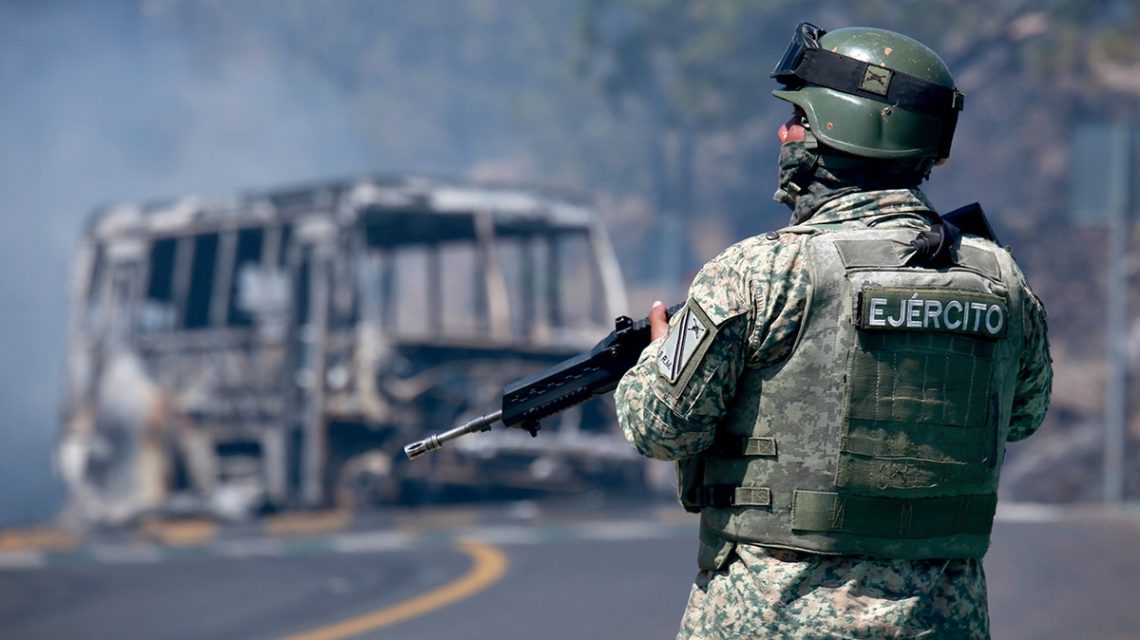
A soldier stands guard by a charred vehicle after it was set on fire in Cointzio, Michoacán state, Mexico, Sunday, Feb. 22, 2026, following the death of Nemesio Rubén Oseguera Cervantes, known as “El Mencho,” the leader of the Jalisco New Generation Cartel.
Cuba plays a unique role in this scenario as its current regime struggles to function effectively. Many have left the country since 2021, with infrastructure failing and currency devaluating. Secretary of State Marco Rubio has questioned the regime’s longevity, though whether it collapses by December remains uncertain. Regardless of its future, Cuba no longer serves as a viable logistics or intelligence partner.
In Mexico, President Claudia Sheinbaum’s Morena government maintains communication with the U.S. while avoiding the larger regional coalition, citing concerns over U.S. operations on Mexican soil. If Flávio Bolsonaro wins the Brazilian election, Mexico will be further isolated diplomatically. This heightens the diplomatic costs of offering sanctuary to drug lords.
Cartels are adapting quickly. Spanish law enforcement dismantled a CJNG operation linked to smuggling methamphetamine into Europe disguised as vanilla aroma. Similar interdictions have occurred with meth hidden in marble statues. European markets are now key targets for synthetic drugs as cocaine routes become increasingly risky.
Colombia’s new government is breaking away from previous peace arrangements with armed factions. Venezuelan airspace and ports, previously protected by the Cartel de los Soles, now face direct U.S. intervention. U.S. efforts have significantly curtailed Eastern Caribbean drug trafficking. Cartels must adapt as routes shift and coca fields remain stationary.
Violence responds to these changes. Mexican authorities nabbed former Colombian soldiers involved in lethal attacks. These are mercenaries hired for their expertise rather than solely loyal operatives. Furthermore, cartels are employing drones for attacks. Fraudulent document holders have even infiltrated Ukraine’s International Legion to gain drone warfare skills. Tijuana’s authorities witnessed the threat when drones attacked with nail-packed explosives.
Given elevated pressure, cartels are likely to make three strategic moves:
- Increase investment in “legitimate” businesses such as avocado farming and fuel theft.
- Escalate violence in territories under dispute, leveraging technology like drones and armored vehicles.
- Heighten bribery and extortion of officials across borders, as lost geographic safe havens boost the value of compromised individuals.
The ongoing realignment in Latin America, coupled with the U.S. maritime focus and European drug enforcement, pressures cartels to adapt. The challenge is whether the Shield of the Americas can raise the stakes faster than cartel adaptations.
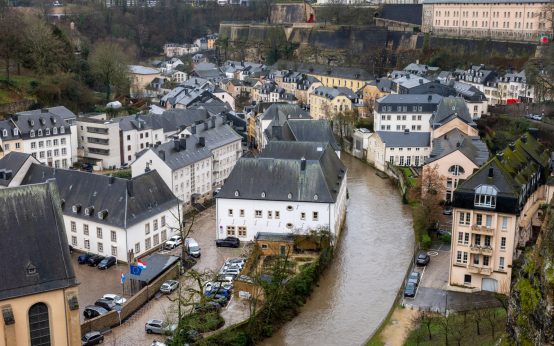 Increasing Number of Americans Seek Luxembourg Citizenship Amid Political Tensions
 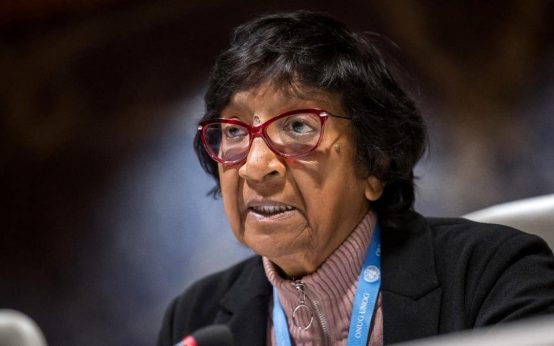 Jack Keane Defends Israel Amid UN Criticism, Pillay’s Nobel Victory
  Empire State Building Honors Fox News’ 30th Anniversary
 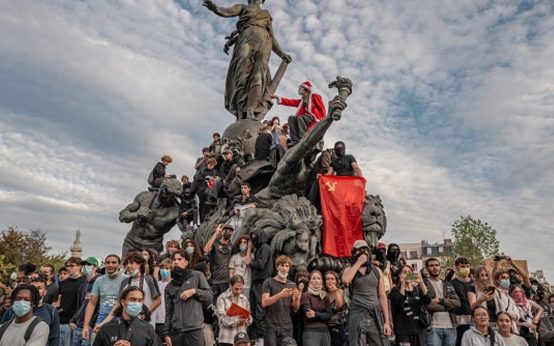 Investigating the Far-Left Influence Behind France’s Student Protests
  Navigating Complexities in the Strait of Hormuz Conflict
  Nobel Peace Prize Awarded