
Prediction markets, such as Polymarket and Kalshi, have seen significant growth during the second term of President Trump. Polymarket, in particular, has examined numerous bets related to the midterm elections. Shana Bautista, the head of intelligence and investigations at Polymarket, confirms that at least two investigations have been escalated to the U.S. Commodity Futures Trading Commission (CFTC).
These markets have become popular but face legal hurdles. Lawmakers express concerns about the potential risks these markets pose to democracy. For example, Kalshi took action against several political candidates in April, banning and fining them for betting on their own campaigns.
NPR highlighted in May that some campaign staffers used insider polling information to profit in these markets. Bautista, an ex-FBI officer, emphasizes that trading with confidential information violates the terms of use and laws. Her team, alongside a new election surveillance system, monitors election bets vigilantly.
Bautista joined Polymarket in June. She manages both the regulated U.S. version and the largely unregulated Polymarket International. Despite the anonymity cryptocurrency provides, Bautista claims it’s rare for trades to remain completely anonymous. Her system leverages vast data sources, including social media and federal records, to monitor suspicious activity.
Polymarket’s system generates hundreds of alerts daily for suspicious trading. While Bautista refrains from sharing specifics about detection methods, she notes that tactics in prediction markets mirror those in traditional markets.
Kalshi, Polymarket’s competitor, launched its own surveillance system, utilizing Federal Election Commission (FEC) data. This system blocks campaign staffers from engaging in election betting, although some staffers have reportedly circumvented these measures.
Rajiv Sethi, an economics professor at Columbia University, studies these markets and highlights the vulnerability to manipulation and insider trading. Prediction markets could act as a self-fulfilling prophecy, influencing perceptions and outcomes based on shared beliefs.
Bautista’s team learns from prior cases, adapting detection strategies to identify and counteract attempts to manipulate election markets. They analyze patterns of suspicious activity, like opening multiple accounts to influence market perception.
The industry’s rapid growth comes as the CFTC has mostly refrained from direct oversight, leaving regulation to the companies. Prediction markets continue to navigate these challenges within the evolving legal landscape.
 Tech Giants’ Record Financing Scramble for AI Expansion
 Exploring the Controversies of Authenticity in the Music Industry
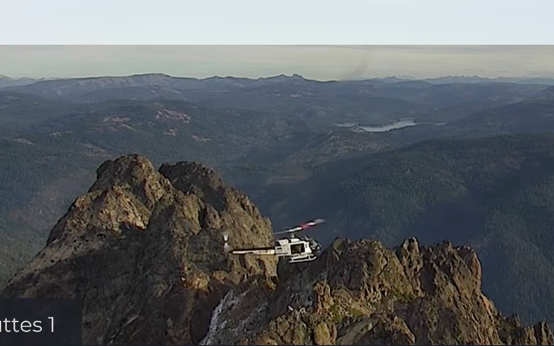 Helicopter Rescue Saves Three Stranded on Steep Mountain in Northern California
 Claude AI Model Accesses Georgia Election Data, Raises Security Concerns
 Anthropic’s SEC Filing Ahead of IPO Raises Unconventional Concerns
 Microsoft Offers Voluntary Buyouts Affecting Global Workforce