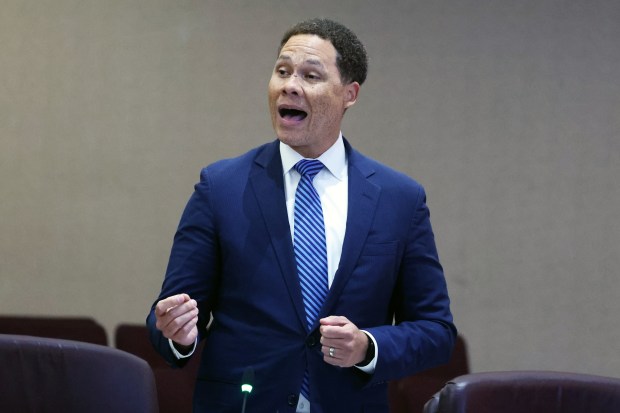
The Chicago City Council approved a measure banning police officers with links to extremist and hate groups from serving in the Chicago Police Department. This decision came with a 28-21 vote in favor of the ordinance. The measure mandates the dismissal of officers associated with groups such as the Three Percenters or Proud Boys and prevents the hiring of individuals with similar affiliations. Additionally, it introduces investigative powers to scrutinize police personnel and applicants.
During the debate, critics claimed the measure disproportionately targets police officers and suggested it be applied to all city employees. However, Alderman Matt Martin, a primary advocate, emphasized the importance of implementing the ban to address longstanding concerns about extremism within the police force. Martin insisted on utilizing available legal tools without delay, despite some opposing voices seeking broader application to other city departments.
“Refusing to act because one proposal is not a silver bullet, that’s a mistake,” Martin argued. “We should do what we can, where we can, with the legal tools available, and we should do it now.”
Alderman Nick Sposato expressed disagreement, stating that the ordinance unfairly singles out the police. He argued for consistent standards across all city departments.
John Catanzara, president of the Chicago Fraternal Order of Police, announced potential legal challenges against the ordinance. He criticized the targeted focus on the police force and described it as unnecessary.
Despite last month’s delay due to parliamentary tactics, Martin forced a vote, seeing the measure as crucial following the U.S. Capitol riot on January 6, 2021. His proposal also addressed a 2024 report by Chicago Inspector General Deborah Witzburg, highlighting deficiencies in addressing extremism among police ranks.
The ordinance targets active participation in extremist activities such as fundraising, recruiting, and displaying extremist symbols. Mayor Brandon Johnson supports the measure, emphasizing the need for high standards due to the police’s critical role in ensuring public safety. Johnson stated this measure aims to enhance the trust between officers and the community.
The city Law Department defended the ordinance’s focus on the police force based on its unique responsibilities. It concluded that the measure is “narrowly tailored” to withstand First Amendment challenges.
While Martin initially considered applying the measure to a broader group of city workers, he decided on a focused approach to ensure legal defensibility. He supported the Law Department’s findings, underlining the unique authority police hold as enforcers of the law. The definition of extremist groups, he noted, remains content-neutral.
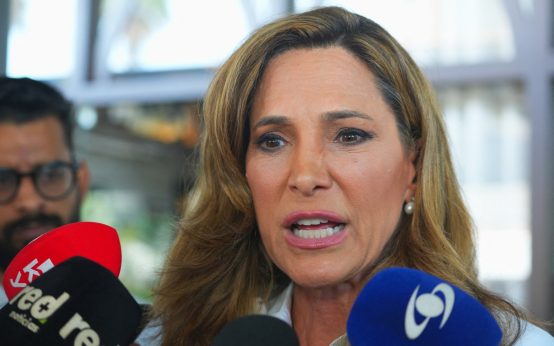 Tensions Rise Between Trump and Florida Republican Maria Salazar
  DHS Claims Mass Deportations Affect Housing Rent
 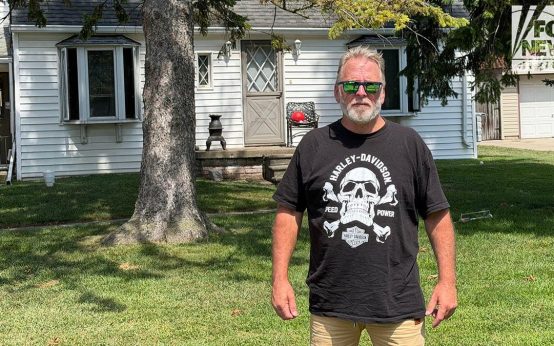 Michigan Resident Faces Backlash Over Comments on Local Demographic Changes
 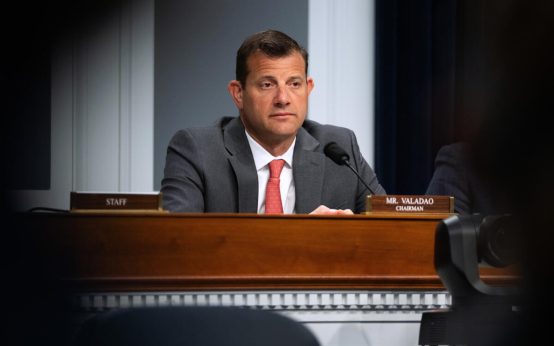 Democratic and Republican Strategies on Immigration Policy Debated as Midterms Near
  Biden Administration’s Role in Gaza Examined
  Oregon’s Wildfire Crisis Calls for New Solutions